Tuesday, 30 June 2026

Tuesday, 30 June 2026
Rice feeds more than half the world’s population and is central to global food security while supporting more than 140 million smallholder farmers Lotus Foods, a global pioneer in heirloom,…
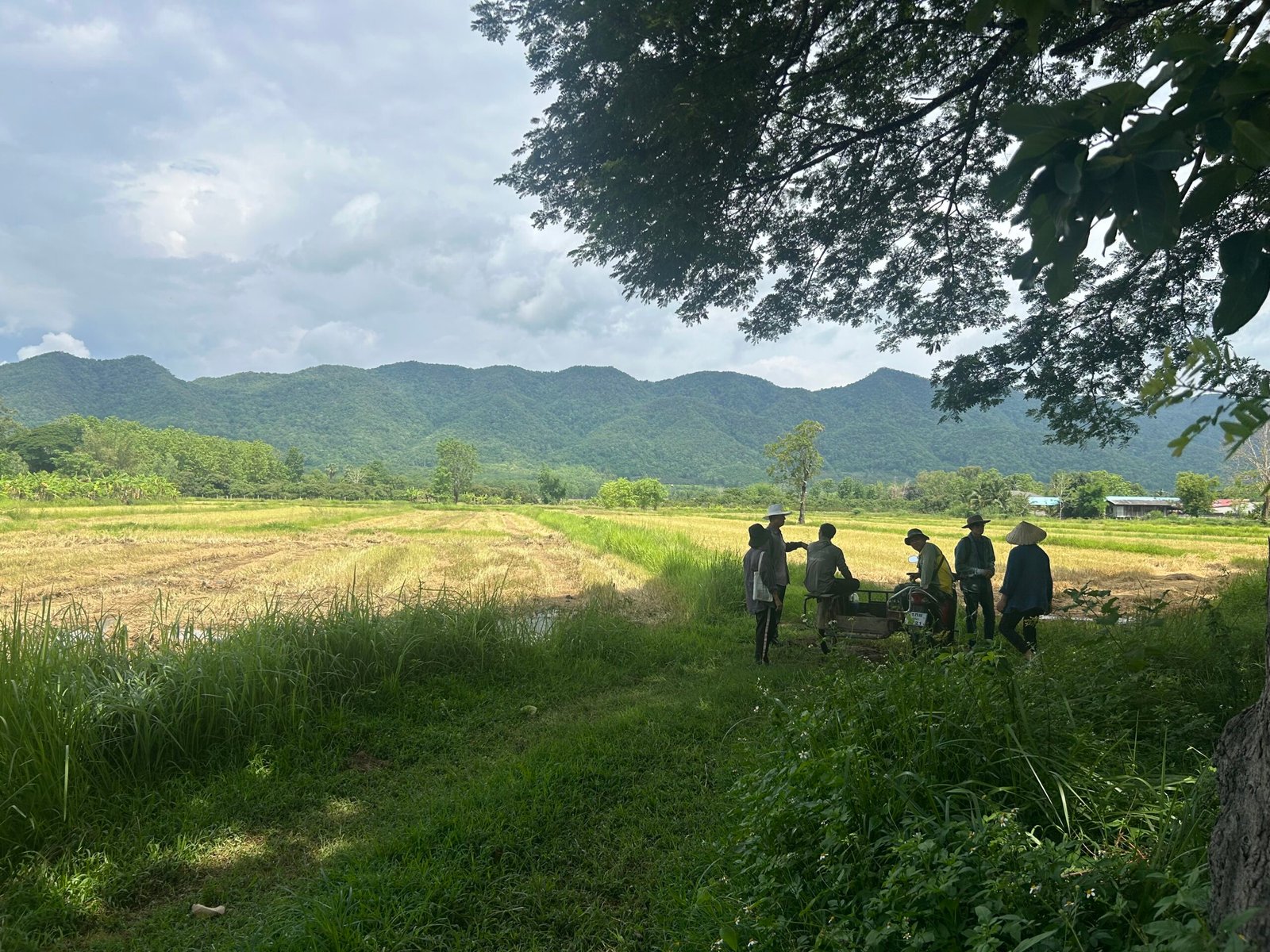
Rice feeds more than half the world’s population and is central to global food security while supporting more than 140 million smallholder farmers
Lotus Foods, a global pioneer in heirloom, organic, and regenerative rice cultivation, released its 2025 Impact Report, highlighting progress across climate, water, soil health, and farmer livelihoods alongside a major evolution of its sourcing strategy to build a more resilient, transparent, and impact-driven supply chain.
Rice feeds more than half the world’s population and is central to global food security while supporting more than 140 million smallholder farmers. Yet conventional rice production places significant strain on natural resources, accounting for nearly one-third of global agricultural freshwater use and generating substantial methane emissions.
To meet these intersecting challenges, Lotus Foods is guided by four interconnected pillars: Regenerative Agriculture, Climate Action, Water Stewardship, and Farmer Livelihoods to transform how rice is grown.
“At Lotus Foods, we’ve always believed business can be a force for positive change, creating well-being for farmers, consumers, and the planet,” said co-founders Caryl Levine and Ken Lee. “For over a billion families, rice is more than a staple it’s culture, memory, and livelihood. This report reflects our commitment to improving how rice is grown to benefit everyone it touches.”
Key Facts from the 2025 Impact Report
Rice feeds more than half the world’s population and supports 140+ million smallholder farmers
Rice production accounts for nearly one-third of global agricultural freshwater use
Lotus Foods works with nearly 3,000 farmers across nine provinces in Thailand
Female rice farmers make up 53 per cent of Lotus Foods’ Thailand supply network
Lotus Foods delivered 1,825 mt of organic rice ingredients to customers
~2,000 farmer families supported through Fair Trade premiums
Lotus Foods is encouraging more regenerative practices, like azolla, which can reduce methane emissions by up to 35 per cent
Rice Ramen packaging now includes 25 per cent post-consumer recycled (PCR) materials, reducing reliance on virgin plastic and improving human health impact
A cornerstone of the report is Lotus Foods’ expanded and diversified farmer-connected supply chain—anchored by new Rice Ramen sourcing in Thailand.
Through its Thailand expansion, the company is:
Partnering with nearly 3,000 rice farmers across nine provinces
Supporting 1,575 women farmers
Cultivating over 20,715 acres of farmland
Increasing sourcing volumes by 15–35 per cent
More than doubling direct-to-farmer traceability
“In recent years, global disruptions from COVID-19 to tariffs underscored the need for greater resilience, which led us to build a new sourcing network to better insulate against volatility while strengthening direct farmer relationships,” said Lotus Foods’ CEO Andrew Burke. “The best part is that we have been able to expand our approach to rice farming to new countries and new farming communities while maintaining or even improving quality.”
Lotus Foods’ latest report spotlights Regenerative Agriculture as a primary focus for addressing the challenges of rice cultivation. By visiting farmers in Thailand, the team observed traditional, nature-based methods used to restore soil and plant health. These supply chain observations are critical to learning how to advance regenerative systems that improve environmental outcomes while strengthening farm productivity.
Lotus Foods is also reducing climate impacts beyond the farm through packaging and logistics innovation. By incorporating 25 per cent post-consumer recycled (PCR) material into the packaging of Millet & Brown, Wide White, and Jade Pearl Rice Ramen, Lotus Foods is reducing reliance on virgin plastics while improving human health impact by 35 per cent. In parallel, pallet optimization has increased shipping efficiency, reducing fuel use and associated greenhouse gas emissions by 13 per cent.
Together, these approaches reduce emissions, optimize water use, and restore soil health demonstrating how integrated solutions can deliver both environmental and economic gains.
Improving farmer livelihoods through both financial equity and market access remain central to Lotus Foods, which partners with farmer groups to pay fair trade premiums that fund farmer-led projects from infrastructure to education. By providing a reliable global market for heirloom rice varieties, Lotus Foods empowers farmers to preserve traditional crops and build long-term resilience and economic independence.

Jun 29, 2026 | Australia
Jun 29, 2026 | Australia

Jun 26, 2026 | Company News

Jun 18, 2026 | Company News

Jun 30, 2026 | Company News
Jun 30, 2026 | Company News
Jun 29, 2026 | Beverages