Friday, 26 June 2026

Friday, 26 June 2026
Deepanshu Manchanda, MD at Zappfresh The frozen food category in India is going through a significant shift. What was once seen as a convenience-driven option is now increasingly being viewed…
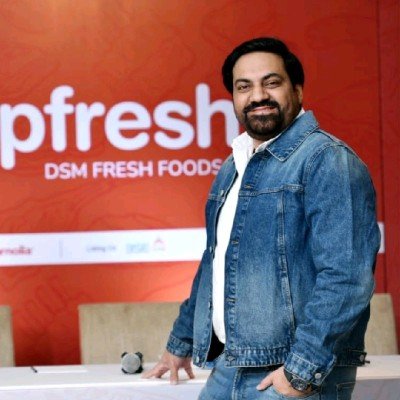
Deepanshu Manchanda, MD at Zappfresh
The frozen food category in India is going through a significant shift. What was once seen as a convenience-driven option is now increasingly being viewed through the lens of quality, safety, and trust. As consumer awareness grows, the expectations from frozen food brands are changing. Today, it is no longer just about how quickly a product can be prepared; it is about how safely it has been sourced, processed, and delivered.
In the last few years, multiple factors have contributed to this shift. Urban lifestyles have become faster, with more nuclear households and working professionals looking for reliable food solutions. At the same time, there has been a visible rise in awareness around food safety, hygiene, and nutrition. Consumers are reading labels more carefully, asking questions about sourcing, and showing a clear preference for brands they trust.
According to industry estimates, India’s frozen food market is expected to grow at a steady pace, driven by increasing demand for ready-to-cook and ready-to-eat products. This growth is not just volume-led; it is also driven by a shift in consumer mindset. People are now willing to pay a premium for products that offer consistency, hygiene, and transparency.
The Shift from Convenience to Trust
Frozen food initially gained traction because of convenience. It helped reduce cooking time and simplified meal preparation. However, convenience alone is no longer enough. Consumers today want assurance that the product they are consuming is safe, hygienic, and of consistent quality.
This is where trust becomes central to the category. Trust is built over time, but it is influenced by multiple factors: how ingredients are sourced, how products are processed, and how they are stored and transported. Any gap in these areas can impact perception and, more importantly, consumer confidence.
The pandemic further accelerated this shift. It brought hygiene and safety to the forefront of consumer decision-making. Even today, that awareness continues to influence buying behaviour. Frozen food, when handled correctly, offers a controlled and safe format, but consumers expect brands to demonstrate that reliability through their processes.
Why Quality Cannot Be Compromised
Quality in frozen food is not just about taste. It includes texture, freshness, nutritional value, and consistency. Unlike freshly cooked meals, frozen products rely heavily on the strength of the processes behind them. From sourcing raw materials to final packaging, every step plays a role in maintaining quality.
One of the key advancements that has helped improve the quality of frozen foods is blast freezing. This process rapidly freezes food at very low temperatures, helping retain its natural texture, taste, and nutrients. When done correctly, it reduces the need for added preservatives and ensures that the product remains stable over time.
However, technology alone is not enough. Consistency in quality comes from standardised processes, trained manpower, and strict quality checks. Consumers may not always see these processes, but they experience the outcome every time they use the product. That consistency is what builds long-term trust.
Hygiene as a Core Expectation
Hygiene is no longer a differentiator; it is a basic expectation. Consumers assume that the food they are buying meets certain hygiene standards. For frozen food brands, this means maintaining strict control across the entire value chain.
This starts at the sourcing stage, where raw materials must meet defined quality benchmarks. It continues through processing facilities, where controlled environments and sanitation protocols are critical. Packaging and storage also play an important role, as frozen products require uninterrupted cold-chain management to maintain their integrity. In India, regulatory bodies like FSSAI have strengthened guidelines around food safety, and many companies are also adopting global certifications such as HACCP and ISO standards. These frameworks help ensure that hygiene is not just maintained, but continuously monitored and improved.
For consumers, hygiene is closely linked to trust. A single lapse can have a long-term impact on brand perception. This is why companies are increasingly investing in systems that ensure hygiene is built into every stage of the process.
The Growing Importance of Traceability
Traceability is emerging as one of the most important factors in the food industry. It refers to the ability to track a product’s journey from where it was sourced to how it was processed and delivered.
In the frozen food category, traceability helps build transparency. Consumers want to know where their food is coming from and how it has been handled. This is especially important in categories like meat, seafood, and even processed vegetarian products, where sourcing plays a key role in quality.
For companies, traceability is not just about consumer communication; it is also about operational control. It helps identify inefficiencies, maintain consistency, and respond quickly in case of any quality issues. With advancements in technology, many companies are now using digital tools to track products across the supply chain, improving both visibility and accountability.
Structured Supply Chains Are Becoming Critical
One of the biggest challenges in the frozen food category has traditionally been the lack of a fully integrated supply chain. Unlike fresh food, frozen products require a seamless cold chain from production to storage to last-mile delivery.
Over the years, there has been significant improvement in this area. Companies are investing in cold storage infrastructure, logistics networks, and processing facilities. This has made it possible to maintain product quality across longer distances and time periods. A structured supply chain also supports scalability. As demand grows, companies need systems that can handle higher volumes without compromising on quality. This is where investments in infrastructure and process discipline become critical.
Changing Consumer Behaviour
The modern consumer is more informed than ever before. Access to information, increased awareness, and exposure to global standards have raised expectations. People are not just looking for convenient food; they are looking for reliable food.
There is also a shift in how frozen food is being perceived. Earlier, it was often associated with occasional use. Today, it is becoming a part of everyday consumption, especially in urban households. This shift is being driven by factors such as time constraints, dual-income households, and the need for consistency. At the same time, consumers are experimenting more. They are open to trying new formats, cuisines, and product categories. This creates an opportunity for brands to innovate, but it also increases the need to maintain quality and trust.
The Road Ahead
The frozen food category in India is still evolving, but the direction is clear. Growth will not be driven by convenience alone. It will be driven by trust, and trust will be built on three pillars: quality, hygiene, and traceability.
Companies that invest in these areas will be better positioned to build long-term relationships with consumers. This means focusing not just on products, but on processes, infrastructure, and transparency. As the category matures, we are likely to see more standardisation, stronger regulations, and greater adoption of technology. Consumers, in turn, will continue to demand higher accountability from brands.
In many ways, frozen food is moving from being a convenience category to a reliability category. And in that shift, quality, hygiene, and traceability will define which brands succeed in the long run.
Jun 26, 2026 | Company News

Jun 25, 2026 | Events

Jun 18, 2026 | Company News

Jun 26, 2026 | Company News
Jun 25, 2026 | Events
Jun 25, 2026 | Beverages