Thursday, 18 June 2026

Thursday, 18 June 2026
Ajinkya Hange, Co-Founder & Farmer, Two Brothers Organic Farms As India’s protein consumption story gathers momentum, consumers are increasingly looking beyond protein claims and seeking foods that deliver holistic nutrition,…
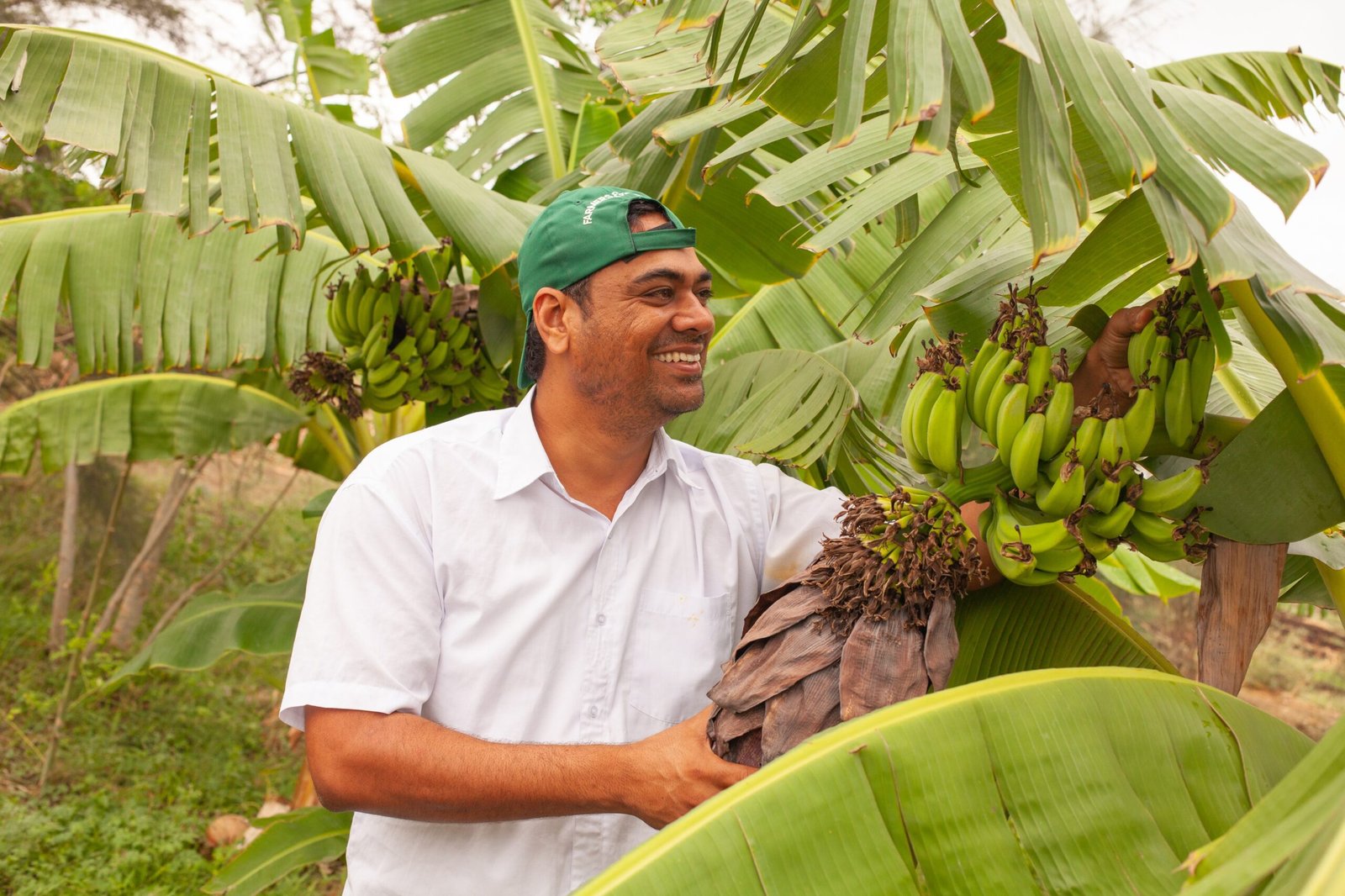
Ajinkya Hange, Co-Founder & Farmer, Two Brothers Organic Farms
As India’s protein consumption story gathers momentum, consumers are increasingly looking beyond protein claims and seeking foods that deliver holistic nutrition, clean ingredients, and long-term wellness benefits. This shift is driving renewed interest in traditional grains, minimally processed foods, and everyday staples that combine nutritional value with cultural familiarity.
At the forefront of this movement is Two Brothers Organic Farms, a farmer-led brand known for reviving indigenous crops and promoting regenerative agriculture. The company recently launched Khapli Protein Atta, a product designed to address protein gaps through a staple food consumed daily in millions of Indian households. By combining the nutritional benefits of ancient Khapli wheat with functional nutrition principles, the company aims to make protein intake more accessible without compromising taste, digestibility, or authenticity.
In an exclusive interaction with NUFFOODS Spectrum, Ajinkya Hange, Co-Founder & Farmer, Two Brothers Organic Farms, discusses the evolution of India’s protein foods market, the development journey of Khapli Protein Atta, the role of indigenous grains in nutrition and sustainable agriculture, and why the future of food innovation lies in improving everyday staples rather than creating highly processed health products.
Protein fortification is becoming increasingly common across food categories. How do you see the Indian protein foods market evolving over the next few years?
India’s protein conversation is still at a very early stage, but it is evolving rapidly. For a long time, protein was associated largely with supplements, powders, or gym-focused nutrition. Today, consumers are beginning to look at protein as an essential part of everyday eating habits rather than an add-on.
At the same time, we are seeing protein being added to almost everything, but more protein does not automatically mean better nutrition. India does not just have a protein gap, it also has a food quality gap. The industry cannot solve this challenge simply by adding protein isolates to highly processed foods.
Over the next few years, we believe consumers will move toward cleaner, more balanced foods rooted in traditional diets and everyday staples. People are becoming far more aware of ingredient quality, digestibility, sourcing, and how natural a formulation really is. The next phase of the market will be less about bigger protein claims on packaging and more about food that is genuinely nourishing, easy to digest, and practical for daily life.
Could you walk us through the product development journey of Khapli Protein Atta, from concept to final formulation?
The idea came from a very simple observation: roti is one of the most consistently consumed foods across Indian households, yet there are very few everyday staples that naturally help improve protein intake. Most protein products today ask consumers to add something extra to their routine. We wanted to improve something they already eat twice a day.
Khapli is not a new-age ingredient for us. It is an ancient wheat variety we have been working with closely at the farm level for years. The idea was not to create a trend-led product, but to make a traditional grain more relevant to modern nutritional needs.
The development process involved multiple trials around grain ratios, dough handling, softness, puffing, and digestibility to ensure the atta behaved like regular wheat flour in Indian kitchens. For us, the product had to feel familiar because sustainable nutrition only works when people can comfortably make it part of their daily lifestyle.
How does the launch of Khapli Protein Atta fit into Two Brothers Organic Farms’ broader strategy of expanding functional everyday staples?
This launch is a very natural extension of our philosophy. At Two Brothers, we have always believed that food should nourish while staying as close to its original form as possible. Our larger vision is to reimagine everyday staples through the lens of regenerative farming, traditional wisdom, and functional nutrition.
In India, food has become over-engineered. It needs everyday foods to become nutritionally stronger without losing cultural familiarity. Instead of building niche health products for a limited audience, we want to improve the foods people already consume every single day.
Khapli Protein Atta reflects that philosophy because it combines traditional grains with modern nutritional needs in a format that feels familiar, practical, and easy to adopt in Indian households.
What role can indigenous grains like Khapli play in addressing nutrition gaps while also supporting sustainable agriculture in India?
Indigenous grains like Khapli are important not only nutritionally but agriculturally as well. Over time, many traditional crop varieties disappeared from mainstream farming because agriculture became increasingly yield-focused. But these grains were naturally suited to local climates and often required fewer external inputs.
Khapli wheat, for example, is valued for its fibre content, nutrient density, and lower gluten structure. At the same time, cultivating indigenous grains supports biodiversity, healthier soils, and more resilient farming systems. India’s future food systems need to move beyond monoculture farming and reconnect with traditional crops that are better for both people and the planet.
What were the biggest formulation or processing challenges in achieving high protein content while maintaining the texture and taste of regular rotis?
The biggest challenge was maintaining familiarity. Consumers are very particular about the softness, texture, and taste of rotis, and even small changes are immediately noticeable. As protein content increases, the dough behaviour changes significantly. Rotis can become denser, drier, or lose softness after cooling. We spent considerable time balancing nutrition because our intention was not to create a ‘health product’ that felt separate from daily food habits. We wanted families to enjoy the atta exactly like their regular rotis while naturally improving their protein intake.
The health foods segment is becoming highly competitive with many brands launching protein-focused products. What differentiates truly functional nutrition products from marketing-driven offerings?
Consumers today are becoming far more informed, and that is a very positive shift. A truly functional nutrition product should address a real nutritional need while remaining digestible, balanced, and suitable for long-term consumption. Many products today focus heavily on protein numbers while relying on highly processed ingredients or artificial fortification. For us, functionality begins with ingredient integrity, sourcing, farming practices, and minimal processing.
Nutrition should not come at the cost of digestibility or overall food quality. We believe consumers are increasingly looking for clean-label products that deliver both nourishment and transparency.
As consumer demand for clean-label and nutrient-dense foods grows, what are your expansion plans across online, quick commerce, and offline retail channels?
Consumer discovery today is happening across multiple channels, so our approach is naturally omnichannel. Online continues to remain important because it allows us to educate consumers about sourcing, farming practices, and product philosophy. At the same time, quick commerce is becoming increasingly relevant as consumers now expect healthier staples to be as accessible and convenient as regular grocery purchases.
Offline retail is equally important because it helps build trust and accessibility at scale. Our focus is to make clean, traceable, nutrient-dense food available across formats while retaining the authenticity and integrity of the product.
Do you believe India’s growing focus on protein consumption is shifting consumer interest back toward traditional grains and minimally processed foods?
Yes, very strongly. Consumers are beginning to move beyond simply asking how much protein a product contains and are instead asking where that protein comes from and how processed the food is. For a long time, traditional Indian foods were perceived as ‘old-fashioned’ while packaged wellness products were seen as modern. That mindset is now reversing. Consumers are rediscovering that many traditional Indian grains already offered balanced nutrition long before the wellness industry repackaged them differently.
This shift is naturally bringing attention back to traditional grains, diverse crops, and minimally processed staples, while also creating greater appreciation for foods that support digestion, fibre intake, and overall well-being.
How did your team validate the nutritional and digestibility benefits of combining Khapli wheat with soy protein and other grains?
Validation was extremely important for us because we did not want to build a product purely around theoretical nutrition claims. We worked closely with our in-house team of food scientists on nutritional analysis and formulation testing to ensure the blend delivered meaningful protein enhancement while remaining digestible and practical for daily use.
Alongside lab evaluations, we also conducted extensive internal and consumer trials focused on satiety, dough handling, softness, and overall eating experience. Our approach has always been holistic; the product needs to work nutritionally, functionally, and culturally within Indian households.
With increasing awareness around gut health and clean eating, how important will low-gluten and high-fibre staples become in shaping future consumer preferences?
We believe this will become one of the biggest long-term shifts in food consumption. Consumers are increasingly connecting daily food habits with digestion, energy levels, and overall well-being.
As a result, there is growing interest in foods that are easier to digest, naturally fibre-rich, and minimally processed. Low-gluten traditional grains and high-fibre staples fit naturally into this movement because they align with both modern nutritional awareness and traditional Indian food wisdom.
While developing Khapli Protein Atta, one of our key focus areas was ensuring that increasing the protein content did not compromise digestibility. We were conscious that many high-protein products in the market can feel heavy or overly processed. Through careful formulation, we worked towards retaining the lighter, easier-to-digest qualities associated with Khapli wheat while enhancing its nutritional profile.
We believe the next wave of food innovation in India will not be driven by extreme diets, but by better everyday staples. Consumers are increasingly looking for foods that help them feel lighter, more energetic, and metabolically balanced over long periods of time.
Mansi Jamsudkar Padvekar

Jun 18, 2026 | Company News

Jun 18, 2026 | Australia
Jun 17, 2026 | China
Jun 18, 2026 | Company News

Jun 18, 2026 | Food
Jun 18, 2026 | Africa
Jun 18, 2026 | Company News