Thursday, 9 July 2026

Thursday, 9 July 2026
Codex develops internationally recognised food standards that help protect consumer health and facilitate fair practices in global food trade Australia has played a key role in shaping new international food…
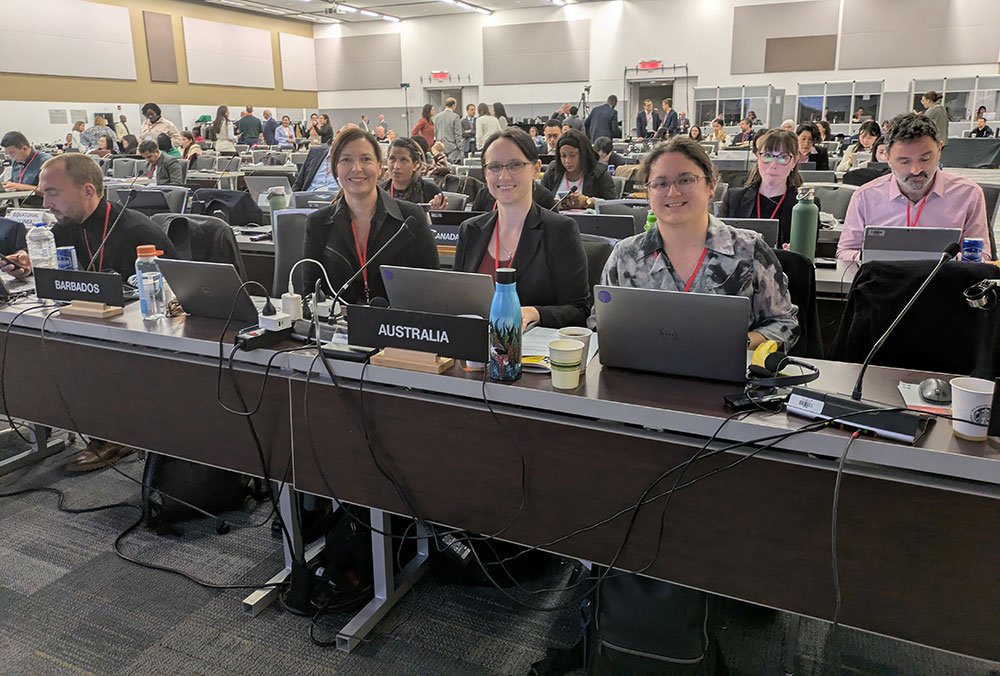
Codex develops internationally recognised food standards that help protect consumer health and facilitate fair practices in global food trade
Australia has played a key role in shaping new international food labelling guidance aimed at supporting food trade during emergencies and improving the consistency of allergen information provided to consumers worldwide.
The developments emerged from the 49th Session of the Codex Committee on Food Labelling (CCFL49), held in Ottawa, Canada, from May 11–15, 2026. The Australian delegation was led by experts from Food Standards Australia New Zealand (FSANZ), with support from the Department of Agriculture, Fisheries and Forestry (DAFF) and technical input from its Export Standards Branch.
CCFL49 brought together food labelling specialists from around the world under the Codex Alimentarius framework, the joint food standards programme of the Food and Agriculture Organisation (FAO) and the World Health Organisation (WHO). Codex develops internationally recognised food standards that help protect consumer health and facilitate fair practices in global food trade.
A major outcome of the meeting was the finalisation of guidance on food labelling flexibilities during emergencies. The new framework is designed to help regulators respond more effectively to supply chain disruptions by enabling temporary labelling adjustments while maintaining consumer protections and fair trading practices.
Australia actively contributed to ensuring the guidance addresses disruptions affecting international supply chains, including emergencies occurring outside importing countries. The framework outlines practical considerations and regulatory responsibilities for permitting labelling flexibilities that can help sustain domestic and cross-border food supplies during crises.
Another significant achievement was the completion of international guidance on precautionary allergen labelling, marking a milestone in a multi-year initiative co-led by Australia. The guidance adopts a scientific, risk-based approach to precautionary allergen labelling, aligning closely with Australia’s evidence-based system for mandatory allergen declarations.
The harmonised guidance is expected to improve consistency in allergen labelling regulations across markets, providing greater clarity and confidence for consumers living with food allergies while supporting international food manufacturers and exporters.
According to Australian officials, the outcomes of CCFL49 represent an important advancement in strengthening food system resilience, facilitating trade continuity during disruptions, and enhancing consumer health protection through clearer allergen communication.
The agreed texts will now be submitted to the Codex Alimentarius Commission for adoption at its July 2026 meeting.

Jul 09, 2026 | Company News
Jul 08, 2026 | Packaging

Jul 08, 2026 | Australia

Jul 01, 2026 | Food Safety and Testing

Jun 18, 2026 | Company News
Jul 09, 2026 | Company News
Jul 09, 2026 | Company News
Jul 09, 2026 | Company News