Friday, 10 July 2026

Friday, 10 July 2026
Sudan, South Sudan, Yemen and Palestine remain hotspots of greatest concern, with Nigeria and Somalia joining the list as acute hunger risks deteriorate towards catastrophic levels The Food and Agriculture…
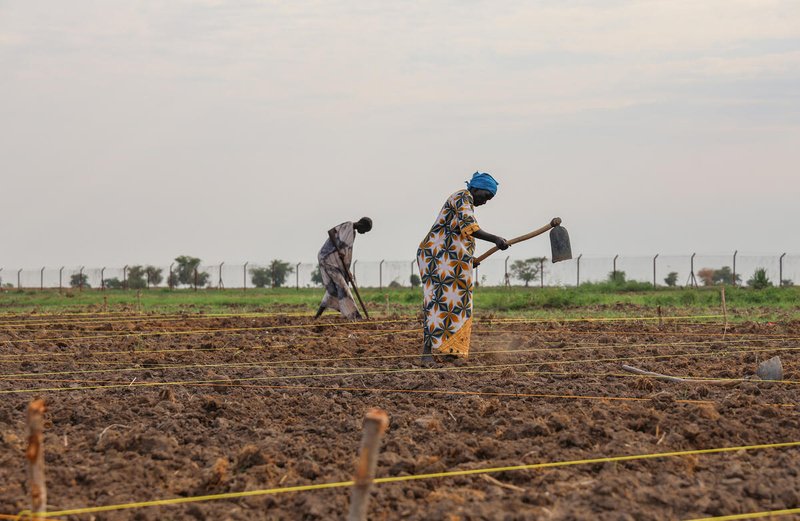
Sudan, South Sudan, Yemen and Palestine remain hotspots of greatest concern, with Nigeria and Somalia joining the list as acute hunger risks deteriorate towards catastrophic levels
The Food and Agriculture Organisation of the United Nations (FAO) and the United Nations World Food Programme (WFP) warned that acute food insecurity is expected to worsen further for millions of people across 13 countries deemed “hunger hotspots” between June and November 2026.
The latest edition of the Hunger Hotspots report, released twice a year through the Global Network Against Food Crises (GNAFC), identifies Sudan, South Sudan, Yemen and Palestine as the world’s most critical hunger hotspots in terms of severity and magnitude of hunger. Nigeria has been added to the list of countries of greatest concern, following projections indicating that populations in Borno State may face catastrophic levels of acute food insecurity (defined as an extreme lack of food/other basic needs, with starvation, death, destitution and extremely critical acute malnutrition levels evident) during the upcoming period covered by the report. Somalia has also been placed in this category, with populations in the Bay region of Burhakaba District facing a risk of Famine.
Armed conflict and violence remain the primary drivers of acute food insecurity, affecting 12 of the 13 hotspots. These pressures are compounded by economic shocks, severe funding shortfalls and growing risks linked to a forecast El Niño event, which is expected to bring uneven rainfall, droughts, and flooding across countries with already high vulnerability.
The warning comes at a time of unprecedented funding shortfalls for humanitarian response. Funding for food assistance, emergency agricultural assistance and nutrition in food crises has declined by an estimated 59 per cent between 2022 and 2025, returning to levels last seen nearly a decade ago. At the same time, the number of people facing high levels of acute food insecurity in these countries has risen to around 266 million.
The report also warns that additional shocks are worsening the outlook for millions. This is due to recent events such as the ripple effects of the conflict in the Middle East and the Ebola outbreak in areas of eastern Democratic Republic of the Congo (DRC). These added shocks risk further disrupting livelihoods, markets and humanitarian access.
“We already know where the next hunger emergencies will occur,” said FAO Deputy Director-General Beth Bechdol. “The challenge is whether we act early enough and at the necessary scale. When farmers cannot plant, herders lose their animals and markets are disrupted, food insecurity deepens quickly. Early investment in emergency agricultural assistance and resilience is one of the most cost-effective ways to protect livelihoods, sustain local food production and reduce future humanitarian needs.”
“The warnings in this report cannot be ignored,” said WFP Acting Executive Director Carl Skau. “Conflict, shocks, and disasters are forcing families to make impossible decisions about who gets to eat and who goes to bed hungry. Without action now, millions more are expected to face worsening levels of hunger in the months ahead, pushing some closer to famine. Our teams are ready to respond at speed and scale. We need resources to deliver food and access to reach people before hunger turns into a catastrophe.”

Jul 09, 2026 | Company News

Jul 08, 2026 | Packaging

Jul 08, 2026 | Australia

Jul 01, 2026 | Food Safety and Testing

Jun 18, 2026 | Company News
Jul 10, 2026 | Company News
Jul 10, 2026 | Company News
Jul 10, 2026 | Company News