Friday, 3 July 2026

Friday, 3 July 2026
According to the Norwegian Seafood Council, reduced quotas for several wild-caught species led to lower export volumes but pushed prices to record levels Norway’s seafood exports demonstrated resilience in the…
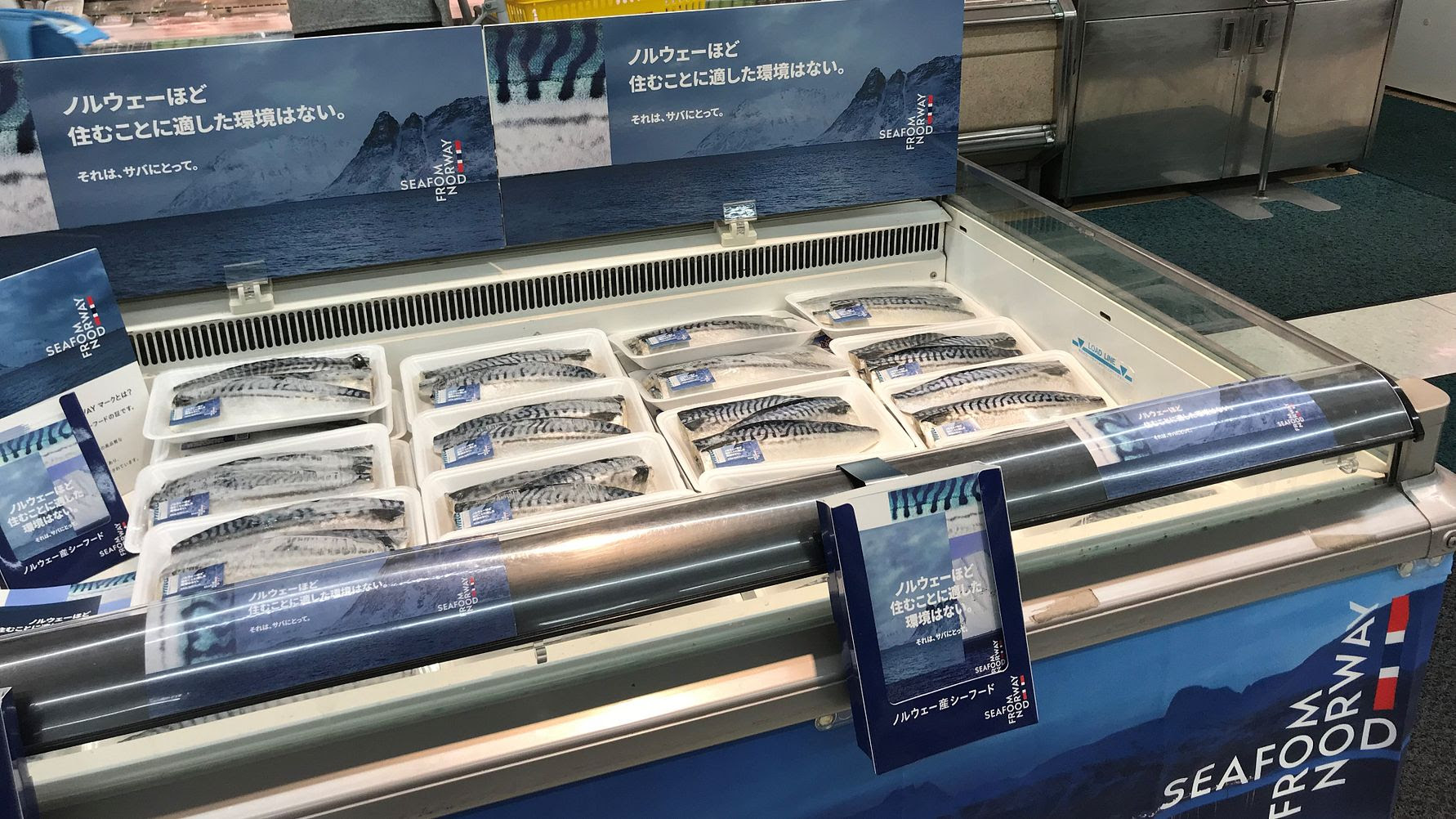
According to the Norwegian Seafood Council, reduced quotas for several wild-caught species led to lower export volumes but pushed prices to record levels
Norway’s seafood exports demonstrated resilience in the first half of 2026, reaching NOK 84.5 billion, down just 1 per cent from the same period last year despite geopolitical tensions, lower fishing quotas and trade uncertainties affecting global markets.
According to the Norwegian Seafood Council, reduced quotas for several wild-caught species led to lower export volumes but pushed prices to record levels. At the same time, disruptions in global logistics, rising freight costs linked to the conflict in the Middle East and US tariff uncertainties continued to challenge exporters.
“Both domestic and international factors influenced seafood exports in the first half of the year,” said Christian Chramer, CEO of the Norwegian Seafood Council. “Despite these challenges, demand for Norwegian seafood remains strong in several key markets.”
Salmon continued to dominate exports, accounting for NOK 58 billion, or 69 per cent of total seafood export value. Export volumes increased by 8 per cent, supported by record-high production levels. However, stronger currency exchange rates and US tariffs resulted in lower export prices for fresh whole salmon compared with previous years.
Market dynamics also shifted significantly during the period. China overtook the United States as Norway’s second-largest seafood export market, driven by strong demand for healthy, protein-rich seafood. Exports to China continued to grow across retail and digital channels, while seafood exports to the US declined 28 per cent to NOK 6.3 billion, largely due to tariff-related challenges affecting salmon fillets, trout and shellfish.
While aquaculture remained the industry’s growth engine, accounting for 73 per cent of export value, wild fisheries faced continued pressure from quota reductions for species including cod, mackerel and king crab.
Looking ahead, the Norwegian seafood industry remains cautiously optimistic, with producers focusing on market diversification, sustainable resource management and strengthening access to international markets to offset evolving trade and supply chain challenges.

Jul 03, 2026 | Beverages

Jul 01, 2026 | Food Security

Jul 01, 2026 | Food Safety and Testing
Jul 01, 2026 | Food Safety and Testing

Jun 18, 2026 | Company News
Jul 03, 2026 | Beverages
Jul 03, 2026 | Company News
Jul 03, 2026 | Europe