Thursday, 9 July 2026
Thursday, 9 July 2026
The grant aims to study the advantages of using pasteurised donor human milk (donor milk) versus infant formula for pre-term babies when maternal breast milk is not readily available Researchers…
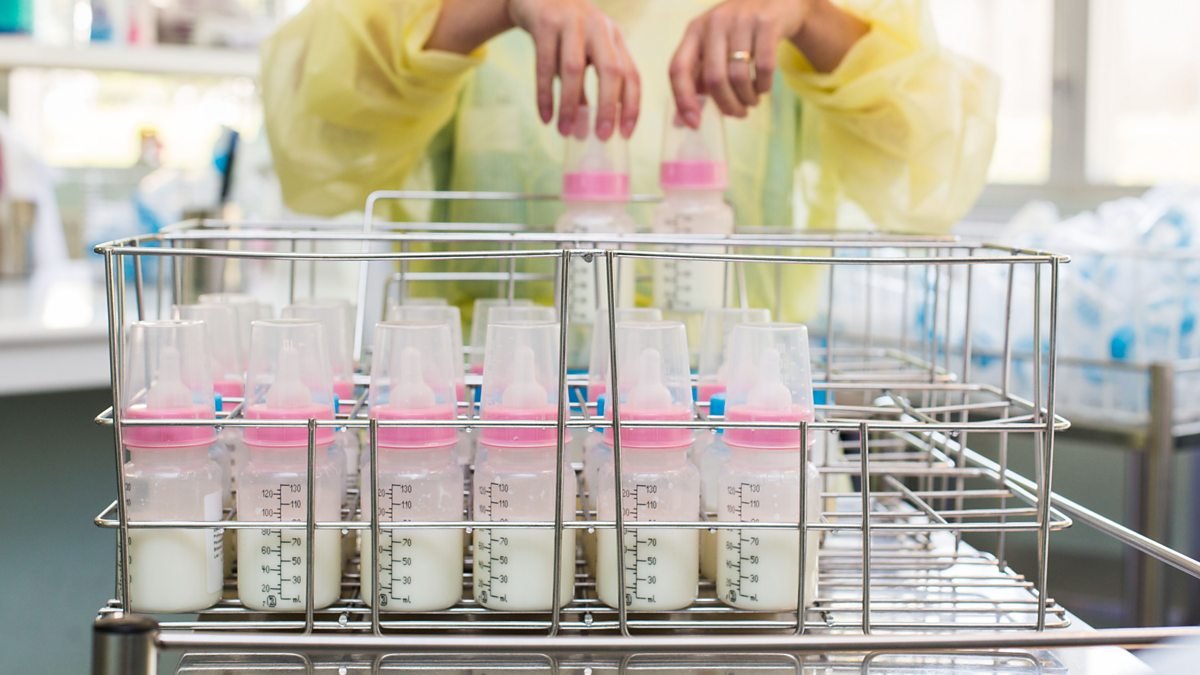
The grant aims to study the advantages of using pasteurised donor human milk (donor milk) versus infant formula for pre-term babies when maternal breast milk is not readily available
Researchers from the University of Adelaide and the South Australian Health and Medical Research Institute have been awarded more than $2.2 million on World Breastfeeding Day. This grant is one of 28 distributed across Australia by the National Health and Medical Research Council (NHMRC) totalling nearly $73 million. The grant aims to study the advantages of using pasteurised donor human milk (donor milk) versus infant formula for pre-term babies when maternal breast milk is not readily available.
Led by Associate Professor Rumbold, the project team will partner with Australian Red Cross Lifeblood to conduct a randomised controlled trial at five sites in three states. The goal is to determine whether the use of donor milk helps babies get home sooner with fewer feeding-related complications, benefiting infants, their families, and the broader health system. Additionally, this research funding is in addition to the $6 million announced in the 2023-24 Budget for continued financing of donor breast milk bank services.
The grants announced will fund 28 research projects through NHMRC’s Clinical Trials and Cohort Studies grant scheme.

Jul 08, 2026 | Packaging

Jul 08, 2026 | Australia

Jul 07, 2026 | Company News
Jul 01, 2026 | Food Safety and Testing
Jun 18, 2026 | Company News
Jul 09, 2026 | Company News
Jul 09, 2026 | Company News
Jul 09, 2026 | Awards