Sunday, 28 June 2026

Sunday, 28 June 2026
Anti-inflammatory diets combine foods that work together to help suppress the main pathways of inflammation. A group of researchers at Monash University’s Department of Nutrition, Dietetics and Food has developed…
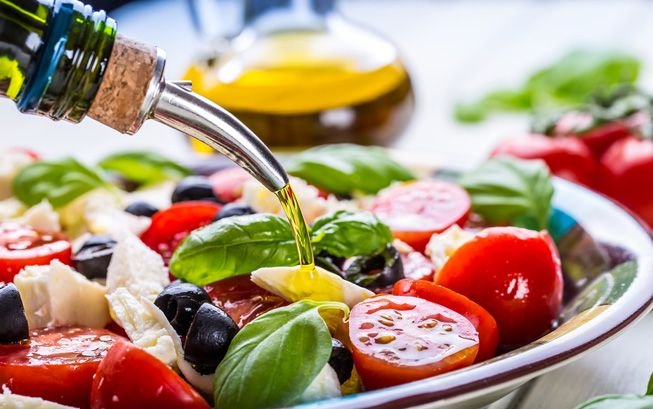
A group of researchers at Monash University’s Department of Nutrition, Dietetics and Food has developed its own anti-inflammatory diet and an online course.
More than 120,000 people from around the world have enrolled for their latest “Food as Medicine” free online course. In its second year, it has become one of the top five Massive Open Online Courses internationally.
Though short-term inflammation can promote healing of injuries, evidence is growing that chronic low-grade inflammation drives many common illnesses, such as type 2 diabetes, heart disease, dementia and some cancers.
Researchers have stated that the western diet appeared to be pro-inflammatory, driving low-level and constant inflammation in the gut, liver and fat throughout the body and contributing to chronic disease.
On the other hand, anti-inflammatory diets combine foods that work together to help suppress the main pathways of inflammation.
Anti-inflammatory molecules in food interact to suppress the main pathways involved in complex body responses to inflammation.
Examples of anti-inflammatory diets include the Mediterranean, Nordic and Okinawan diets and the blood-pressure-lowering DASH diet in the United States.

Jun 26, 2026 | Company News


Jun 25, 2026 | Events

Jun 18, 2026 | Company News

Jun 26, 2026 | Company News
Jun 25, 2026 | Events
Jun 25, 2026 | Beverages