Tuesday, 23 June 2026

Tuesday, 23 June 2026
More than half of Nescafé’s global coffee supply now comes from farmers adopting regenerative practices as Nestlé accelerates climate resilience, emissions reduction and responsible sourcing across its coffee value chain…
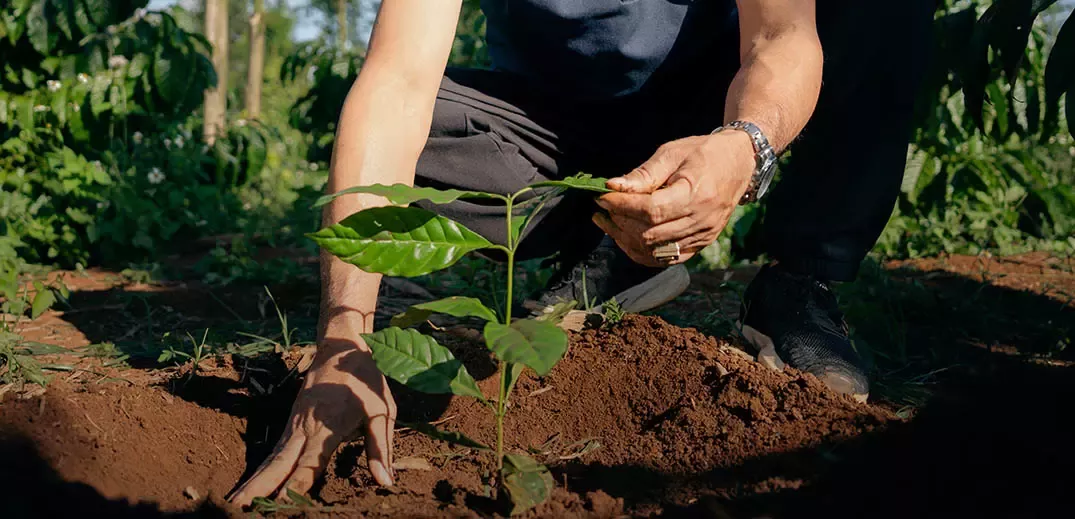
More than half of Nescafé’s global coffee supply now comes from farmers adopting regenerative practices as Nestlé accelerates climate resilience, emissions reduction and responsible sourcing across its coffee value chain
Nescafé has reached a significant sustainability milestone after sourcing more than half of its global green coffee supply from farmers implementing regenerative agriculture practices in 2025, underscoring Nestlé’s efforts to build a more resilient and climate-smart coffee supply chain amid growing environmental and production challenges facing the sector.
According to the latest Nescafé Plan 2030 Progress Report, 53 per cent of the brand’s green coffee was sourced from farmers adopting regenerative agricultural methods during 2025. The achievement marks a major step forward in the company’s long-term strategy to improve farm productivity, strengthen climate resilience and secure sustainable coffee supplies for the future.
The increase was driven by both higher procurement volumes from participating growers and the continued expansion of Nescafé’s farmer-support programs across key coffee-producing regions. During the year, more than 100,000 coffee farmers across 15 countries received technical assistance, training and agronomic support through a network of over 1,600 Nescafé agronomists and field staff.
The company has increasingly aligned its sourcing strategy with regenerative agriculture adoption, encouraging greater participation among farming communities while integrating sustainability considerations into procurement decisions.
“Reaching the milestone of sourcing more than half of our green coffee from farmers adopting regenerative agriculture practices demonstrates the progress being made across our coffee supply chain,” said Antje Shaw, Head of Sustainability for Nescafé. “We remain focused on helping farmers transition to more resilient production systems while strengthening long-term coffee availability and supporting sustainable business growth.”
The Nescafé Plan 2030 places regenerative agriculture at the centre of its sustainability agenda. Practices promoted under the programme include agroforestry, cover cropping, optimized fertilization and intercropping, all aimed at improving soil health, enhancing biodiversity, increasing resilience to climate variability and creating additional income opportunities for farming households.
The strategy is already delivering measurable environmental outcomes. Nescafé reported an 18.3 per cent reduction in greenhouse gas emissions associated with its green coffee supply compared with its 2018 baseline, reflecting the growing adoption of climate-friendly farming techniques across its sourcing network.
In parallel, the company is addressing another critical challenge facing global coffee production: aging coffee plantations. Older coffee trees typically experience declining productivity and are increasingly vulnerable to disease outbreaks and changing climatic conditions.
To support farm renovation efforts, Nescafé distributed 20.3 million climate- and disease-resilient coffee plantlets to farmers during 2025, helping growers renew plantations and improve long-term productivity.
The report also highlights continued progress in traceability and responsible sourcing. In 2025, 94.3 per cent of Nescafé’s coffee was responsibly sourced, with green coffee lots traceable to identified farmer groups and independently certified or verified against Nestlé’s responsible sourcing standards.
Beyond farm-level interventions, the company has expanded its sustainability efforts across manufacturing, logistics and packaging operations. These areas collectively represent the largest sources of operational emissions within Nescafé’s value chain.
A key achievement came in renewable energy adoption, with 98.6 per cent of electricity used across Nescafé coffee manufacturing facilities sourced from renewable energy in 2025, contributing to broader carbon reduction targets.
The report also underscores Nescafé’s increasing focus on social sustainability and human rights within coffee-growing communities. The company continues to strengthen due diligence systems, supplier engagement programmes and partnerships aimed at improving social outcomes across the supply chain.
Among the notable initiatives launched during the year was the development of the Nescafé Plan Child Protection Framework, created in partnership with international child rights organization Terre des Hommes. The framework is designed to strengthen child protection systems within coffee-producing regions and enhance coordination between local communities, public institutions and supply-chain stakeholders.
“We believe in supporting systems that protect children today while helping create stronger opportunities for future generations,” said Roy Tjan, Child Rights and Business Global Advisor at Terre des Hommes. “Our collaboration integrates child protection efforts at the community level with existing public systems to deliver greater impact.”
Nescafé also extended its partnership with the International Labour Organization (ILO) in 2026 to further advance labour rights and improve working conditions throughout coffee supply chains.
According to Ockert Dupper, Global Programme Manager at the ILO’s Vision Zero Fund, collaborative and evidence-based approaches remain essential to achieving lasting improvements in labour practices across agricultural sectors.
As climate pressures intensify and sustainability expectations continue to rise across global food and beverage markets, Nescafé’s latest progress report highlights how major brands are increasingly linking environmental stewardship, supply chain resilience and farmer livelihoods to secure future growth. Through its integrated sustainability strategy, the company aims to create a coffee value chain that is not only more productive and climate resilient, but also more socially responsible and economically sustainable for the millions of people who depend on it.
Jun 23, 2026 | Supply chain


Jun 22, 2026 | Australia

Jun 18, 2026 | Company News

Jun 23, 2026 | Cultured Meat
Jun 23, 2026 | Beverages