Tuesday, 23 June 2026

Tuesday, 23 June 2026
UNCTAD warns that disruptions in the Strait of Hormuz highlight the vulnerability of critical maritime chokepoints to geopolitical tensions and their ability to transmit shocks across energy, commodity and food…
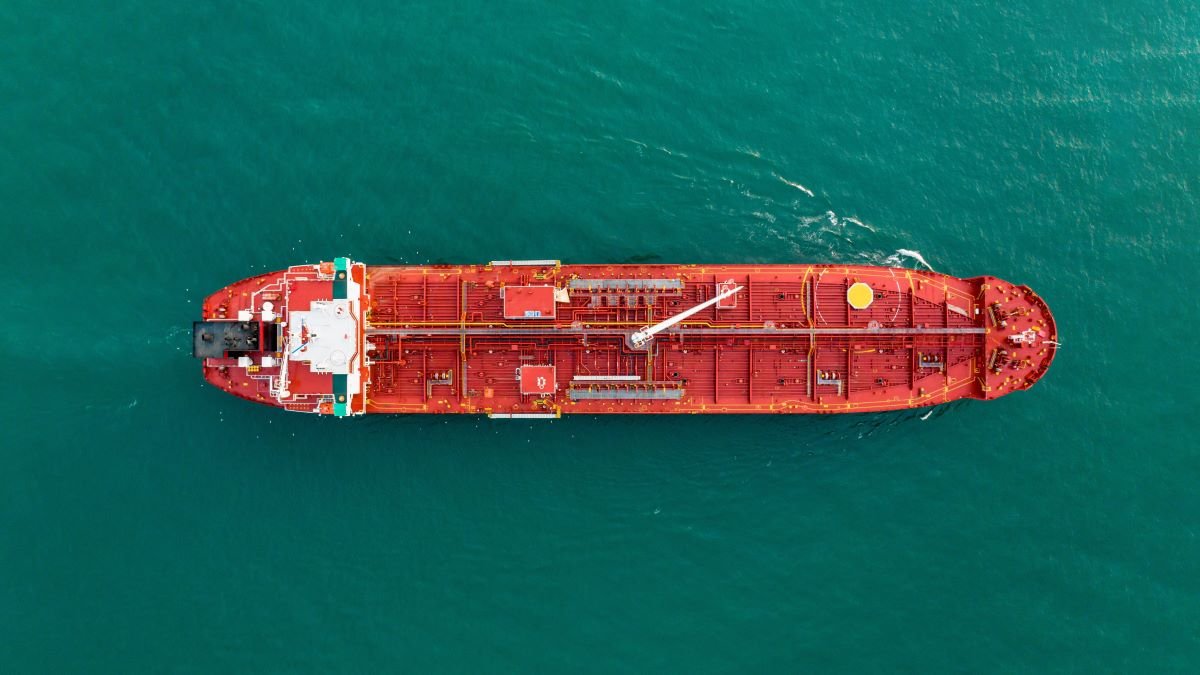
UNCTAD warns that disruptions in the Strait of Hormuz highlight the vulnerability of critical maritime chokepoints to geopolitical tensions and their ability to transmit shocks across energy, commodity and food markets
Escalating tensions in the Middle East are threatening global food supply chains as disruptions in the Strait of Hormuz, one of the world’s most important maritime chokepoints, begin to ripple through energy, fertiliser, and transport markets, according to new analysis from the United Nations Conference on Trade and Development (UNCTAD).
The narrow waterway is a critical route for global trade, carrying around a quarter of the world’s seaborne oil along with significant volumes of liquefied natural gas (LNG), liquefied petroleum gas (LPG) and chemicals, including fertilisers. In the week before the latest military escalation, about 38 per cent of global seaborne crude oil, 29 per cent of LPG, 19 per cent of LNG, and 13 per cent of chemicals and fertilisers passed through the strait.
However, the conflict has severely disrupted maritime traffic. According to UNCTAD data based on Clarksons Research Shipping Intelligence Network, daily ship transits through the strait have fallen sharply, dropping from an average of 129 vessels per day in February to single-digit levels in early March.
Rising energy prices threaten food affordability
The disruption has already triggered a rapid reaction in energy markets. Brent crude oil prices have climbed above $90 per barrel, reflecting the market’s sensitivity to supply risks in the region.
Higher oil and gas prices can quickly translate into higher food costs. Transport expenses, freight rates, bunker fuel prices and insurance premiums all rise when energy prices surge, increasing the cost of moving food and agricultural commodities around the world.
UNCTAD notes that historically food prices tend to increase alongside oil prices, as agriculture and food distribution rely heavily on energy for production, transport and storage.
Fertiliser supply at risk for vulnerable countries
Another major concern is the potential disruption of fertiliser supplies originating from the Persian Gulf region. A large share of globally traded fertilisers, particularly urea and diammonium phosphate, is exported from Gulf producers and shipped via the Strait of Hormuz.
Several developing countries rely heavily on these imports. UNCTAD data show that Sudan imports about 54 per cent of its fertilisers from the Gulf region, followed by Sri Lanka (36 per cent), the United Republic of Tanzania (31 per cent), Somalia (30 per cent), Pakistan (27 per cent) and Kenya (26 per cent).
Any sustained disruption could therefore affect fertiliser availability and prices, with potential consequences for agricultural productivity and food supply, particularly in lower-income economies.
Fertiliser prices are closely linked to natural gas prices, as gas is a key input in nitrogen fertiliser production. When gas prices rise, fertiliser prices typically follow, raising costs for farmers and potentially reducing crop yields if farmers cut back on fertiliser use.
Pressure on developing economies
The impact could be particularly severe for developing countries already facing economic constraints. Many are dealing with high debt burdens, limited fiscal space and restricted access to finance, leaving them less able to absorb new price shocks.
According to UNCTAD, rising costs for energy, fertilisers, and transport could increase food prices and intensify cost-of-living pressures, especially for vulnerable households that spend a larger share of their income on food.
Similar effects were seen during earlier global disruptions, including the COVID-19 pandemic and the early stages of the Russia–Ukraine War, when energy and fertiliser shortages contributed to global food price spikes.
Risks to global supply chains
UNCTAD warns that disruptions in the Strait of Hormuz highlight the vulnerability of critical maritime chokepoints to geopolitical tensions and their ability to transmit shocks across energy, commodity and food markets.
The organisation stressed that the overall economic impact will depend on how long the disruption lasts and how widely tensions spread across the region. Continued monitoring is needed to assess potential risks to global trade, food systems and economic stability, particularly for countries heavily dependent on imported energy, fertilisers, and staple foods.
Safeguarding maritime transport routes and ensuring secure trade corridors, UNCTAD added, will be crucial to preventing further disruptions to global supply chains and protecting food security in vulnerable economies.

Jun 22, 2026 | Australia


Jun 18, 2026 | Company News
Jun 18, 2026 | Company News

Jun 22, 2026 | Feature
Jun 22, 2026 | Dietary Supplements