Monday, 22 June 2026

Monday, 22 June 2026
Seaweed is considered a nutrient powerhouse, rich in essential minerals and vitamins In the coastal regions of Bangladesh, where marine biodiversity is abundant but food insecurity remains widespread, new initiatives…
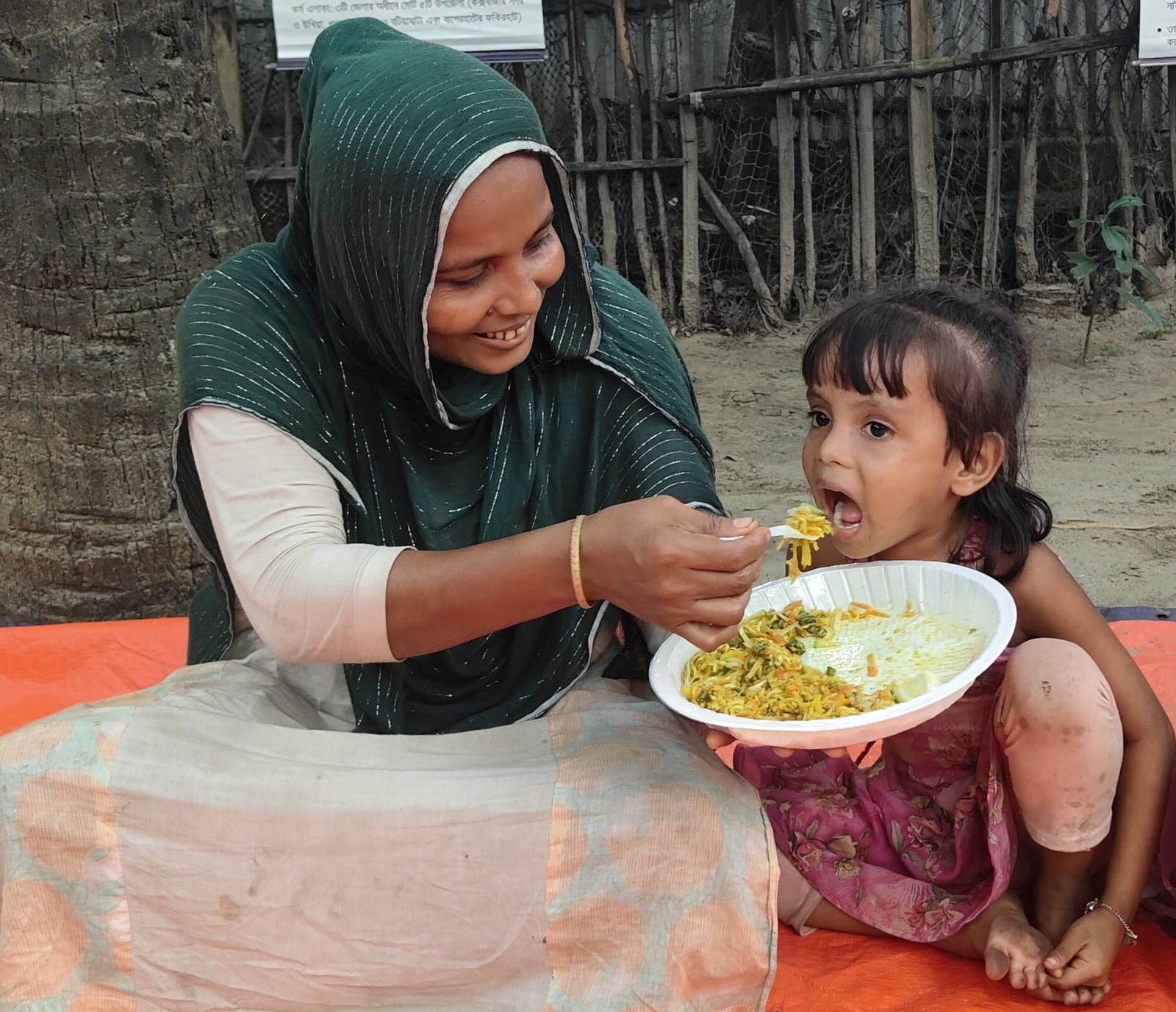
Seaweed is considered a nutrient powerhouse, rich in essential minerals and vitamins
In the coastal regions of Bangladesh, where marine biodiversity is abundant but food insecurity remains widespread, new initiatives are promoting the use of nutrient-rich aquatic foods such as seaweed and green mussels to improve nutrition and livelihoods.
Despite access to rich marine resources, around 67 per cent of coastal households face food and nutrition insecurity, with women (59.3 per cent) and children (51.2 per cent) among the most affected. The region continues to face a triple burden of malnutrition—undernutrition, overnutrition and micronutrient deficiencies—largely due to limited dietary diversity and lack of awareness about locally available nutritious foods.
To address this challenge, the Advanced Bioeconomy Alliance Bangladesh (AABS) is promoting low-extractive mariculture through the development of Integrated Multi-Trophic Aquaculture (IMTA) systems that combine seaweed and green mussel cultivation. These systems aim to create sustainable coastal livelihoods while improving access to nutritious food.
Seaweed is considered a nutrient powerhouse, rich in essential minerals and vitamins. It contains high levels of iron, iodine, calcium, potassium and magnesium, along with 17–30 per cent protein (dry weight) and essential amino acids. It is also a valuable source of vitamins A, D, E and B-complex. Similarly, green mussels provide significant nutritional benefits, delivering protein, iron, calcium and magnesium that contribute to a balanced diet.
AABS has supported three marine farmers and 42 pond-based farmers in Cox’s Bazar to pilot IMTA-based production of seaweed and green mussels. To ensure these foods are not only produced but also consumed locally, the initiative has also focused on nutrition awareness among coastal communities.
Six trained community volunteers conducted 140 nutrition sessions across 20 Coastal Community Schools, engaging around 400 coastal women living near production sites. Each cluster participated in multiple sessions covering balanced diets, micronutrients and the health benefits of seaweed and green mussels. Cooking demonstrations were also organised to help participants learn how to prepare these foods at home.
The sessions used easy-to-follow flipcharts and booklets to explain nutrition concepts and highlight the importance of locally available nutrient-rich foods.
Amena Begum, a participant from Mostakpara, said the training helped her understand the value of these foods. “Through the CCS class, I learned about the nutritional value and use of seaweed and green mussels. I now feel confident preparing them at home and eat them regularly as healthy food,” she said.

Jun 22, 2026 | Australia
Jun 18, 2026 | Company News
Jun 18, 2026 | Company News

Jun 22, 2026 | Feature
Jun 22, 2026 | Dietary Supplements