Wednesday, 8 July 2026

Wednesday, 8 July 2026
With seafood consumption expected to rise during the Chinese New Year as celebrations take centre stage As families across Singapore and Malaysia prepare to toss yusheng and serve whole steamed…
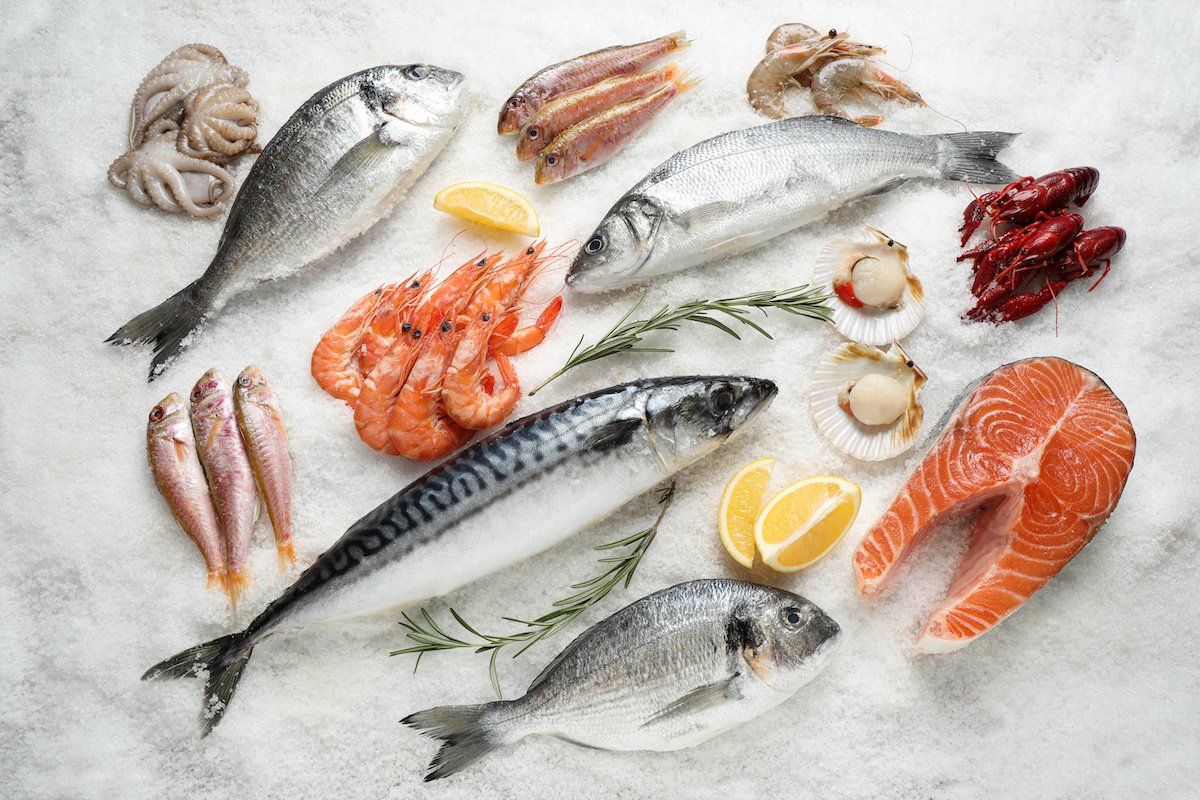
With seafood consumption expected to rise during the Chinese New Year as celebrations take centre stage
As families across Singapore and Malaysia prepare to toss yusheng and serve whole steamed fish for Chinese New Year, new research reveals a striking disconnect: more than eight in ten Malaysians (85 per cent) and nearly three-quarters of Singaporeans (74 per cent) say sustainable seafood matters to them.
Despite actively seeking out sustainable sources, a YouGov survey commissioned by the Marine Stewardship Council (MSC) found that more than half of Singapore consumers (58 per cent) have never noticed an eco-label when shopping. Recognition of the MSC blue ecolabel sits at 21 per cent.
With seafood consumption expected to rise during Chinese New Year as celebrations take centre stage, it’s a critical moment for sustainable shopping choices.
Malaysia consumes more than twice the global average per capita (49 kg versus 21 kg globally), while Singapore imports most of its seafood. Without clear labelling and retailer commitment, consumers who want to make sustainable choices often cannot.
In Malaysia, where fishing remains central to coastal livelihoods, 75 per cent of Malaysians believe support and resources are essential for local fishermen to fish responsibly and sustainably.
In Singapore, where nearly all seafood is imported, consumers look to retailers and regulators for assurance, with 55 per cent citing government standards and 54 per cent citing origin information as key drivers of confidence.
“When asked what sustainable seafood means to them, consumers demonstrated a sophisticated understanding: 62 per cent of Singaporeans and 56 per cent of Malaysians associate it with well-managed fisheries operating under clear rules.
“It’s clear that consumers are ready and willing to seek out credible certification, so we’re urging retailers and businesses to make MSC eco-label products visible and accessible,” said Anne Gabriel, Program Director for Oceania and Singapore at the Marine Stewardship Council.
The research also highlights retailers’ expectations. More than half of Singaporeans (52 per cent) believe supermarkets should commit to sourcing sustainable seafood. Even amid cost-of-living pressures, 38 per cent say they are willing to pay more for sustainably sourced seafood, while many others say clear labelling would help them make better choices within their budget.
The findings suggest that as festive demand peaks, clearer eco-labelling could help consumers align their values with their shopping – without changing what’s on the dinner table.
Shoppers can find MSC-certified sustainable seafood at Cold Storage Singapore, FairPrice Group and Prime Supermarket in Singapore, and at AEON Retail, Jaya Grocer and Village Grocer in Malaysia.

Jul 08, 2026 | Packaging

Jul 08, 2026 | Australia

Jul 07, 2026 | Company News
Jul 01, 2026 | Food Safety and Testing

Jun 18, 2026 | Company News
Jul 08, 2026 | Dietary Supplements
Jul 08, 2026 | Beverages
Jul 08, 2026 | Packaging