Friday, 10 July 2026

Friday, 10 July 2026
As the world celebrates International French Fries Day, the iconic potato snack continues to reinvent itself with healthier ingredients From Belgian streets to billion-dollar markets, French fries have evolved from…
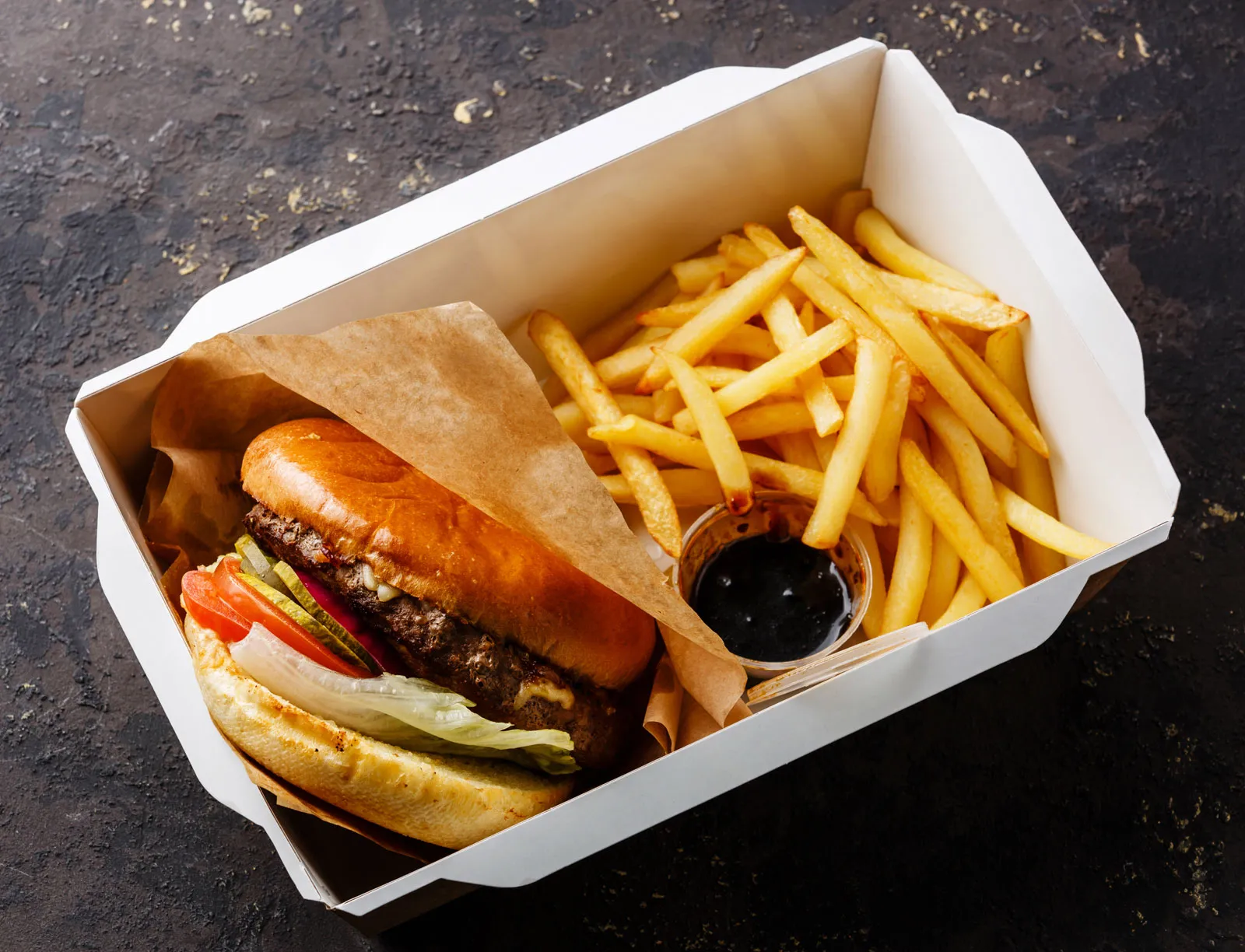
As the world celebrates International French Fries Day, the iconic potato snack continues to reinvent itself with healthier ingredients
From Belgian streets to billion-dollar markets, French fries have evolved from a simple comfort food into a fast-growing global industry driven by innovation, premiumisation and changing consumer preferences. As the world celebrates International French Fries Day, the iconic potato snack continues to reinvent itself with healthier ingredients, sustainable production and cutting-edge processing technologies.
Golden, crispy and universally loved, French fries have transcended their role as a side dish to become one of the world’s most recognisable foods. Whether served alongside burgers, topped with cheese and gravy, or enjoyed as a standalone snack, fries have secured a permanent place on menus across quick-service restaurants, cafés, pubs and homes worldwide.
Today, the category is undergoing a remarkable transformation. As consumers increasingly seek healthier ingredients, clean-label products and convenience, manufacturers are introducing innovative products while expanding production to meet growing global demand.
The global French fries market continues to demonstrate robust growth. According to Market Research Future, the market was valued at $16.7 billion in 2024 and is projected to grow from $17.54 billion in 2025 to $28.57 billion by 2035, registering a compound annual growth rate (CAGR) of 5 per cent.
French fries are no longer viewed merely as an accompaniment to burgers they have become a standalone snack, premium menu offering and comfort food enjoyed across cultures.
Asia emerges as the next growth engine
While North America and Europe remain mature markets, Asia-Pacific is emerging as one of the fastest-growing regions for French fries.
The expansion of international fast-food chains such as McDonald’s, KFC, Burger King, Wendy’s, Five Guys and Shake Shack, coupled with the rapid growth of organised retail and frozen food consumption, is driving demand across countries including India, China, Japan, South Korea, Indonesia, Thailand and Vietnam.
French fries find a permanent place in India’s food culture
India’s appetite for French fries has grown significantly over the past decade, fuelled by the rapid expansion of quick-service restaurants, organised retail and changing consumer lifestyles. What was once considered a Western side dish has evolved into a popular snack enjoyed across age groups and occasions, from family outings and movie nights to on-the-go meals and food delivery.
The growing popularity of fries is closely linked to the expansion of international restaurant chains such as McDonald’s, KFC and Burger King, alongside a thriving café culture and increasing availability of frozen potato products in supermarkets.
For McDonald’s India, fries remain one of its most iconic menu offerings. Akshay Jatia, CEO of Westlife Foodworld, which owns and operates McDonald’s restaurants in West and South India, believes the product’s enduring popularity reflects broader shifts in India’s eating habits.
“The insights of the report reinforce what we see across our restaurants every day: fries remain a favourite among consumers, cutting across age groups and consumption occasions. Whether enjoyed as part of a meal or a standalone snack, fries have earned a unique place in India’s evolving food culture. Their enduring appeal lies in the simplicity, consistency and ability to bring people together, making it one of the most iconic and loved menu items at McDonald’s. At the heart of this experience is our ‘Golden Promise’, our commitment to serving hot, crisp and great-tasting fries every time,” says Jatia.
The industry’s evolution is also being shaped by changing consumer expectations. Demand is rising for premium cuts, cleaner ingredient labels, alternative cooking oils, air fryer-friendly products and gourmet flavour combinations. Manufacturers are responding with innovations ranging from sweet potato fries and waffle fries to products prepared with avocado oil or beef tallow, while advances in processing technology are helping improve consistency, reduce waste and enhance sustainability.
As the market matures, French fries are no longer viewed simply as a fast-food accompaniment. They have become a category in their own right bridging convenience, indulgence and innovation, while continuing to appeal to consumers across generations.
Despite the name, French fries almost certainly did not originate in France.
Food historians widely believe that Belgium is the birthplace of the modern French fry. One popular account suggests villagers living along the River Meuse began frying sliced potatoes during harsh winters when fish became scarce.
Others argue that fried potatoes were consumed much earlier in South America, where potatoes originated over 5,000 years ago before being introduced to Europe by Spanish explorers during the 16th century.
The popularity of fried potatoes later spread throughout Belgium and France before becoming a global phenomenon during the 20th century through restaurant chains and the expansion of fast-food culture.
Today, French fries are consumed in virtually every country, each adapting the dish to local tastes.
One of the reasons behind the enduring popularity of French fries is their incredible versatility.
Popular varieties include:
Traditional straight-cut fries
Shoestring fries
Crinkle-cut fries
Waffle fries
Curly fries
Steak fries
Potato wedges
Cottage fries
Jojos
Cheese fries
Disco fries
Canada’s famous poutine
Manufacturers are also diversifying beyond potatoes with sweet potato fries, zucchini fries, avocado fries and other vegetable-based alternatives targeting health-conscious consumers.
Innovation reshapes an iconic food
Today’s French fry industry looks very different from a decade ago.
Consumers increasingly demand:
Clean-label ingredients
Reduced processing
Alternative cooking oils
Sustainable sourcing
Better nutritional profiles
One company illustrating this shift is Jesse & Ben’s, a US startup that recently secured $10 million in Series A funding to expand production and retail distribution.
Rather than using conventional seed oils, the company produces frozen French fries using grass-fed beef tallow or avocado oil, appealing to consumers seeking minimally processed foods.
Its portfolio includes:
Sea Salt Fries
Rosemary Garlic Fries
Beef Tallow Fries
Sweet Potato Tallow Fries
Crinkle-cut Beef Tallow Fries
The brand has rapidly expanded into major retailers including Whole Foods Market, Sprouts Farmers Market, Target and Costco, highlighting growing consumer demand for premium frozen fries.
The companies shaping the global market
The global French fries industry is dominated by several multinational processors that supply restaurants, foodservice operators and retailers worldwide.
McCain Foods
The Canadian company is the world’s largest manufacturer of frozen potato products, supplying more than 160 countries. McCain has invested heavily in regenerative agriculture, precision farming and sustainable potato cultivation while expanding its portfolio of air fryer-friendly and premium frozen products.
Lamb Weston
One of the largest suppliers to global quick-service restaurant chains, Lamb Weston focuses on premium frozen fries, customised cuts and innovative coatings that enhance crispness while reducing oil absorption.
Aviko
Part of Royal Cosun, Netherlands-based Aviko has become one of Europe’s leading potato processors. The company has expanded rapidly across Asia through partnerships with foodservice operators and investments in processing facilities.
Farm Frites
Another Dutch giant, Farm Frites supplies frozen potato products to restaurants, hotels and retailers in more than 100 countries. The company has strengthened its presence in Asia through production facilities and distribution partnerships.
J.R. Simplot Company
The American food company pioneered many frozen potato innovations and remains a major supplier to international restaurant chains. Simplot continues investing in sustainable agriculture and precision processing technologies.
Cavendish Farms
Owned by Canada’s Irving Group, Cavendish Farms operates advanced potato processing facilities and exports frozen fries globally, with growing emphasis on environmental sustainability and energy-efficient manufacturing.
Artificial intelligence and machine vision systems now help processors monitor colour consistency, moisture levels, product dimensions and defect detection in real time, significantly improving product quality while reducing waste.
Many manufacturers are also working directly with potato growers to improve soil health and reduce fertiliser use while maintaining crop yields.
A timeless favourite with endless possibilities
From humble beginnings in Europe to becoming a $28 billion global industry, French fries continue to evolve with changing consumer expectations.
As International French Fries Day is celebrated worldwide, manufacturers are proving that even one of the world’s oldest comfort foods can embrace innovation through cleaner labels, healthier formulations, advanced food technologies and sustainable production practices.
Whether served as classic straight-cut fries, gourmet truffle fries, crispy waffle fries or premium avocado oil fries, one thing remains certain: French fries continue to unite consumers across cultures, making them one of the world’s most enduring and beloved foods.
Shraddha Warde
shraddha.warde@mmactiv.com

Jul 09, 2026 | Company News
Jul 08, 2026 | Packaging

Jul 08, 2026 | Australia

Jul 01, 2026 | Food Safety and Testing

Jun 18, 2026 | Company News
Jul 10, 2026 | Company News
Jul 10, 2026 | Feature
Jul 10, 2026 | Interaction