Friday, 26 June 2026

Friday, 26 June 2026
The initiative also aligns with FrieslandCampina’s broader climate strategy centred on reducing energy consumption and lowering emissions across its manufacturing footprint As dairy processors face mounting pressure to decarbonize while…
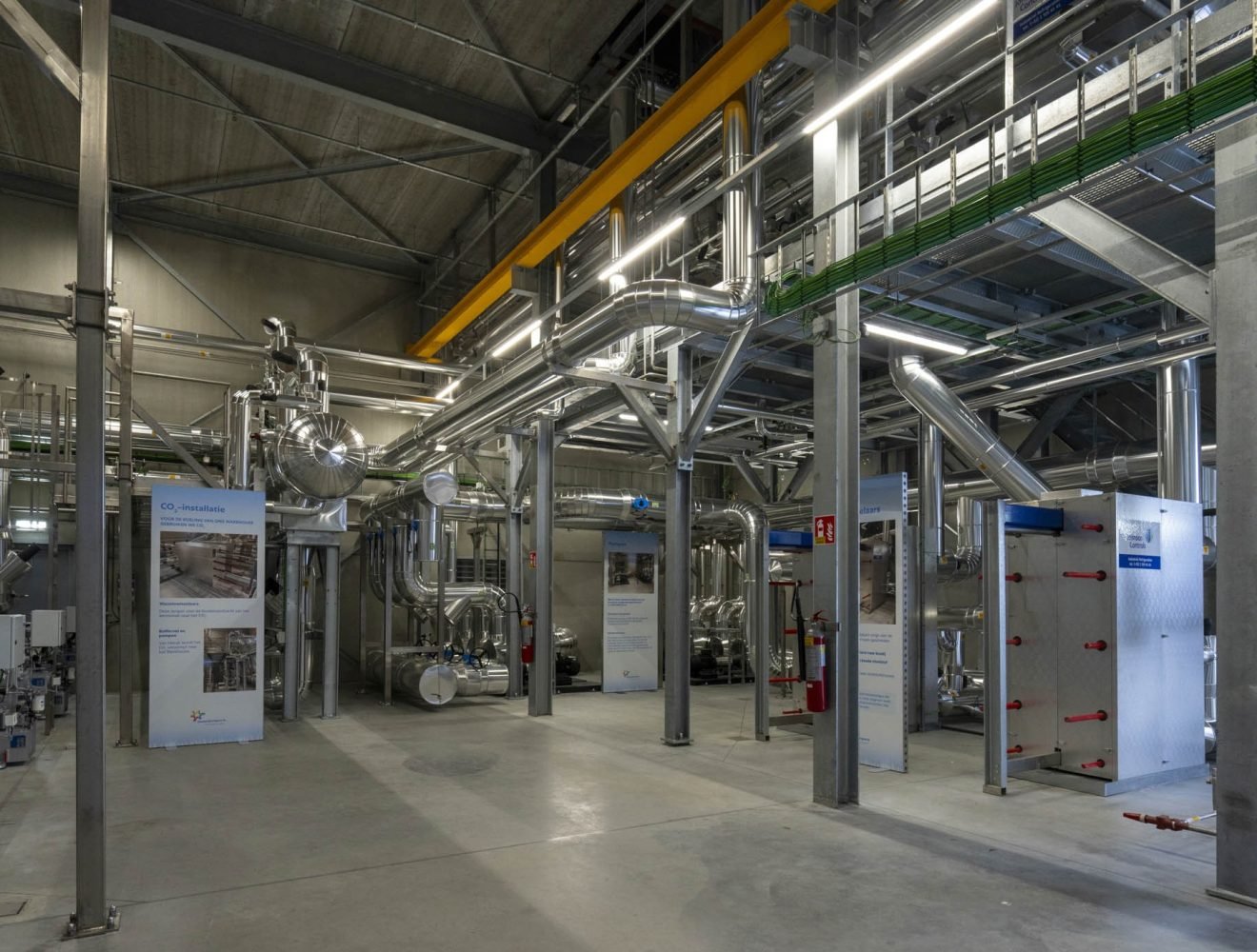
The initiative also aligns with FrieslandCampina’s broader climate strategy centred on reducing energy consumption and lowering emissions across its manufacturing footprint
As dairy processors face mounting pressure to decarbonize while managing volatile energy costs, infrastructure upgrades that deliver both sustainability and operational savings are becoming critical investments.
That is precisely the strategy behind FrieslandCampina’s latest investment at its production facility in Lummen, where the company has installed a next-generation ice water system designed to significantly reduce electricity consumption, improve safety and create a foundation for broader heat recovery integration.
The project reflects a growing trend across the dairy industry: rethinking cooling infrastructure not simply as a utility function, but as a strategic lever for emissions reduction and cost competitiveness.
A future-focused investment
According to a company spokesperson, several factors drove the decision to modernize the Lummen facility’s ice water installation.
“The project was initiated with three key priorities in mind: sustainability and efficiency, future-proofing the site, and workplace safety,” the spokesperson said.
The new system uses approximately 50 per cent less electricity than the previous installation while reducing overall energy costs by around 12 per cent.
Beyond the immediate efficiency gains, the investment prepares the facility for long-term sustainability upgrades and evolving regulatory requirements.
The initiative also aligns with FrieslandCampina’s broader climate strategy centered on reducing energy consumption and lowering emissions across its manufacturing footprint.
Doubling efficiency through smarter system design
While the underlying cooling technology remains familiar, the dramatic performance gains stem from significantly improved system efficiency.
The previous installation operated with a Seasonal Coefficient of Performance (SCOP) of 2.7. The new system delivers a SCOP of 5.4 effectively doubling efficiency.
This means the system generates the same cooling output while using substantially less electricity.
For dairy processors, where cooling is one of the largest continuous energy loads, such gains can translate into major operational savings over time.
Why switching to CO₂ matters
A central component of the upgrade is the transition from ammonia-based refrigerants to carbon dioxide (CO₂).
This shift offers multiple benefits.
First, it improves workplace safety. CO₂ is considerably less hazardous than ammonia, reducing risks for plant personnel and surrounding communities.
Second, it delivers environmental advantages through lower overall impact.
Third, it supports stronger regulatory alignment as food manufacturers increasingly adapt to stricter refrigerant and emissions-related requirements.
The move underscores how refrigerant selection is becoming an increasingly strategic consideration for food and beverage manufacturers pursuing both compliance and sustainability objectives.
Turning waste heat into production value
The most transformative aspect of the project may still be ahead.
Later this year, FrieslandCampina plans to install heat pumps that will recover waste heat from the ice water process and repurpose it for core production activities.
Currently, water used for pasteurization at 85°C is generated using steam produced from fossil fuels.
Under the new setup, that hot water will instead be generated via heat pumps powered by waste heat captured from the upgraded ice-water system.
The recovered energy will be distributed across the plant through an 85°C heat grid.
The efficiency improvement is substantial: moving from a SCOP of 1 to a SCOP of 5.
The company is also introducing a secondary 60°C heat grid that will capture waste heat from UHT cooling towers.
This lower-temperature network will supply lukewarm water for cleaning systems and central heating, further reducing fossil fuel demand.
Together, these measures create a cascading heat recovery model that maximizes thermal energy utilization across the facility.
Supporting 2030 climate goals
For FrieslandCampina, projects like Lummen are essential to balancing sustainability ambitions with economic resilience.
“This project supports FrieslandCampina’s climate ambitions by reducing energy intensity and lowering dependency on fossil fuels,” the spokesperson said.
At the same time, the company notes that more energy-efficient infrastructure helps stabilize operating costs in a volatile energy market while improving production flexibility.
For an energy-intensive sector like dairy processing, this dual benefit is increasingly vital.
The Lummen project may represent a blueprint for future upgrades across FrieslandCampina’s global production network.
“We are continuously exploring ways to produce more energy efficiently and sustainably,” the spokesperson said.
Cooling installations and heat recovery technologies remain priority areas, with the company actively evaluating where similar systems could be deployed at other facilities.
By scaling proven concepts from Lummen, FrieslandCampina aims to further reduce energy use, lower emissions and strengthen the long-term sustainability of its manufacturing operations.
For the dairy industry, the message is clear: the path to decarbonization may well run through smarter cooling systems.
Shraddha Warde
shraddha.warde@mmactiv.com
Jun 26, 2026 | Company News
Jun 25, 2026 | Events
Jun 18, 2026 | Company News

Jun 26, 2026 | Company News
Jun 25, 2026 | Events
Jun 25, 2026 | Beverages