Tuesday, 2 June 2026

Tuesday, 2 June 2026
The Chief Economist pointed out that the disruptions are already translating into higher costs for farmers worldwide The Chief Economist of the Food and Agriculture Organisation of the United Nations…
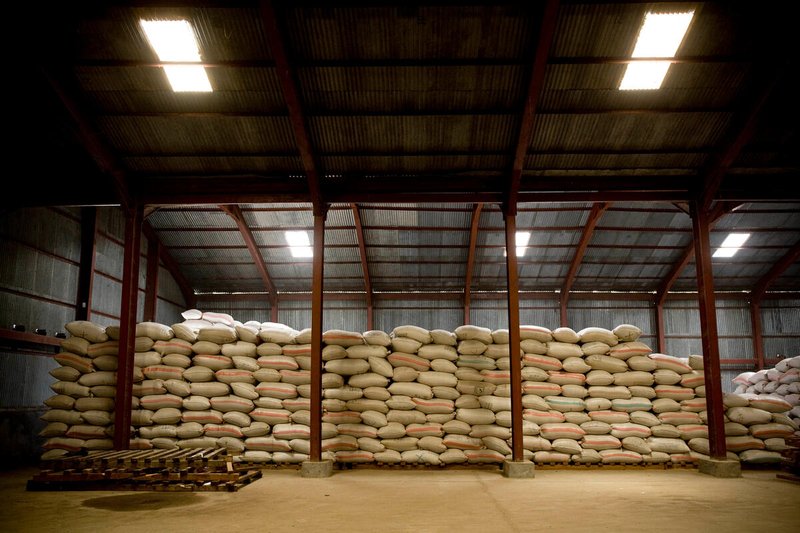
The Chief Economist pointed out that the disruptions are already translating into higher costs for farmers worldwide
The Chief Economist of the Food and Agriculture Organisation of the United Nations (FAO), Máximo Torero, warned that the ongoing disruption to the Strait of Hormuz trade corridor is triggering one of the most severe shocks to global commodity flows in recent years, with significant implications for food security, agricultural production, and global markets.
Speaking at a United Nations daily press briefing, Torero highlighted that tanker traffic through the Strait of Hormuz has collapsed by more than 90 per cent within days of the escalation. The vital artery for global trade typically carries around 20 million barrels of oil per day—approximately 35 per cent of global crude oil flows—alongside one-fifth of global liquefied natural gas (LNG) and up to 30 per cent of internationally traded fertilisers.
“This is not only an energy shock. It is a systematic shock affecting agrifood systems globally,” Torero said. He emphasised that the Gulf region accounts for nearly half of global sulfur trade, a critical input used to produce sulfuric acid for processing phosphate rock into fertilisers. Disruptions to sulfur supply risk fracturing global phosphate fertiliser production, including in major producing countries.
Shipping constraints have been compounded by surging insurance costs. Following the expansion of high-risk zones in early March, war-risk insurance premiums rose from 0.25 per cent to as high as 10 per cent of vessel value, with coverage now resetting every seven days. Even in the event of de-escalation, normal shipping conditions may take months to resume, Torero warned.
The Chief Economist pointed out that the disruptions are already translating into higher costs for farmers worldwide. Fertiliser prices have risen sharply, with Middle East granular urea increasing by 19 per cent in the first week of March, while Egyptian urea prices surged by 28 per cent. Given that natural gas is the primary feedstock for nitrogen fertilisers, elevated energy prices are expected to sustain upward pressure on fertiliser costs. FAO projections indicate that global fertiliser prices could average 15 to 20 per cent higher in the first half of 2026 if the crisis persists.
“Farmers are facing a dual cost shock: they have more expensive fertilisers alongside rising fuel costs affecting the entire agricultural value chain, including irrigation and transport,” Torero said. In response, many producers are likely to reduce fertiliser application or shift toward less input-intensive crops, he added.

Jun 02, 2026 | Company News

Jun 02, 2026 | Beverages
Jun 01, 2026 | Food

May 14, 2026 | Food

May 13, 2026 | Food Safety and Testing

May 12, 2026 | Food Safety and Testing
Jun 02, 2026 | Beverages
Jun 02, 2026 | Company News