Monday, 18 May 2026

Monday, 18 May 2026
Aussies are falling short of key national health targets, according to scientists who have used an innovative technique to forecast future dietary trends Australia is projected to miss crucial health…
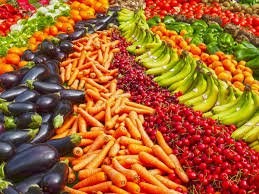
Aussies are falling short of key national health targets, according to scientists who have used an innovative technique to forecast future dietary trends
Australia is projected to miss crucial health targets by 2030 unless urgent action is taken to address worsening dietary trends, according to new research from the CSIRO. Findings released by Australia’s national science agency and published in the Australian and New Zealand Journal of Public Health reveal an increase in the consumption of unhealthy foods, while fruit and vegetable intake continues to fall below recommended levels.
Using predictive modeling techniques and data from over 275,000 adults collected over nine years, the CSIRO forecasts an 18 percent rise in the consumption of discretionary foods—such as ultra-processed snacks and sugary drinks—by 2030. Simultaneously, fruit intake is expected to decline by nearly 10 per cent, and vegetable consumption is predicted to remain stagnant and well below recommended levels.
“Young adults aged 18 to 30 are the only age group showing some positive shifts in behavior,” said Dr Gilly Hendrie, Senior Research Scientist at CSIRO. “However, even they are still consuming excessive amounts of discretionary foods.”
The outlook is especially concerning for older Australians. Adults over the age of 71 are projected to experience the most significant drop in fruit intake, with a 14.7 per cent decline expected over the next five years.
Dr. Hendrie highlighted the importance of predictive modeling in public health planning. “Instead of waiting to see the effects of poor dietary habits, we can now identify concerning trends and intervene before they escalate into major public health issues,” she stated.
These findings raise doubts about Australia’s ability to meet the nutrition targets outlined in the National Preventive Health Strategy (2021–2030), which include:
– Two servings of fruit per day
– Five servings of vegetables per day
– Reducing discretionary food intake to less than 20 percent of total energy consumption
The Strategy identifies poor diet as a key risk factor for chronic diseases and a contributor to rising healthcare costs and diminished quality of life.
“The gap between our current dietary trajectory and our national health targets is widening,” Dr Hendrie warned. “We have five years to get back on track and reverse these concerning trends.”

May 18, 2026 | Australia

May 15, 2026 | Interaction

May 14, 2026 | Food
May 14, 2026 | Food

May 13, 2026 | Food Safety and Testing

May 12, 2026 | Food Safety and Testing
May 18, 2026 | Company News
May 18, 2026 | Company News
May 18, 2026 | Australia