Thursday, 9 July 2026
Thursday, 9 July 2026
The legislation also reinforces the role of producer organisations (POs) in market organisation and collective bargaining The European Parliament has approved new legislation aimed at strengthening the bargaining power of…
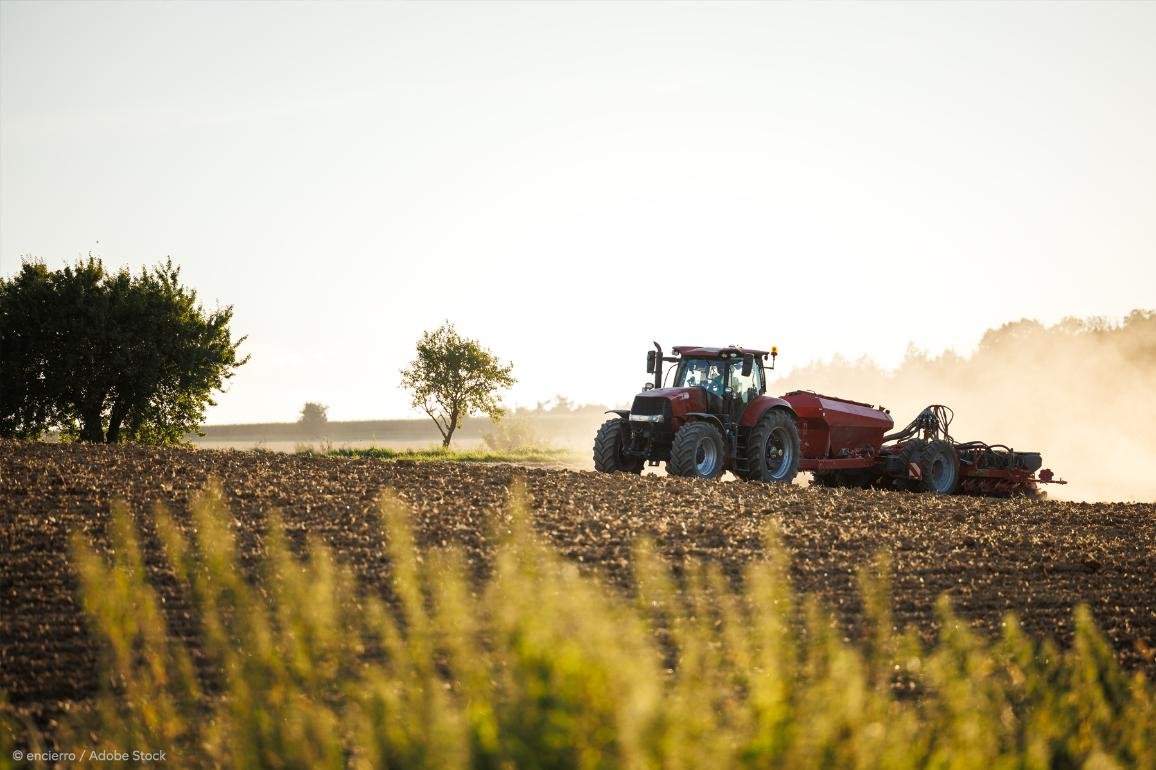
The legislation also reinforces the role of producer organisations (POs) in market organisation and collective bargaining
The European Parliament has approved new legislation aimed at strengthening the bargaining power of farmers, improving income stability, and enhancing transparency across the agri-food supply chain. The measures were adopted with 560 votes in favour, 75 against, and 25 abstentions.
Under the new rules, EU member states will be required to establish and publish online benchmarks that can be used in contractual agreements, helping ensure that food prices more accurately reflect production costs and contribute to fairer returns for farmers.
The legislation also reinforces the role of producer organisations (POs) in market organisation and collective bargaining. Producer groups will be allowed to negotiate directly with buyers, while new safeguards will prevent buyers from bypassing producer organisations to negotiate separately with individual farmers. The move is expected to strengthen farmers’ market position and improve their ability to secure fair contractual terms.
In addition, the regulation introduces greater transparency in food labelling and marketing. It clarifies the use of terms such as “fair” and “equitable” for agricultural products and establishes criteria governing their use. These include factors such as support for rural community development and the promotion of farmers’ organisations.
A key provision of the legislation concerns meat labelling. The Parliament has formally defined meat as the “edible parts of animals” and reserved a range of product names exclusively for meat products. Terms including beef, pork, poultry, chicken, lamb, steak, ribs, bacon, tenderloin, sirloin, liver and T-bone can no longer be used for products that do not contain meat, including lab-grown or cell-based alternatives.
The measure aims to improve consumer transparency and prevent potential confusion in the marketplace while preserving traditional product designations.
The dairy sector will also receive additional support through new provisions that introduce mandatory written contracts between producers and buyers. The contracts will include mechanisms such as revision clauses and opt-out provisions linked to price indicators, providing dairy farmers with greater protection amid ongoing market challenges.
Commenting on the vote, Céline Imart, Member of the European Parliament and rapporteur for the legislation, said the agreement represents a significant step forward for European farmers.
“The agreement voted today delivers a major victory for our farmers by strengthening their market position, legal protections, and cultural heritage. Contracts will now guarantee them a fair place in the supply chain, while a mandatory mediation mechanism will protect their income during buyer disputes,” she said.
Imart also highlighted the significance of the new meat-labelling provisions, noting that terms such as “steak” and “liver” will be reserved exclusively for livestock products, while lab-grown and cell-based products will be prohibited from using the designation “meat.”
The legislation is expected to have broad implications for food manufacturers, retailers, producer organisations and alternative protein companies operating across the European Union, while reinforcing efforts to ensure greater fairness and transparency throughout the food supply chain.

Jul 09, 2026 | Company News
Jul 08, 2026 | Packaging

Jul 08, 2026 | Australia
Jul 01, 2026 | Food Safety and Testing

Jun 18, 2026 | Company News
Jul 09, 2026 | Company News
Jul 09, 2026 | Company News
Jul 09, 2026 | Company News