Thursday, 9 July 2026

Thursday, 9 July 2026
The closure of the Strait of Hormuz is not a regional issue – it is a global food security risk The Food and Agriculture Organisation (FAO) has warned that the…
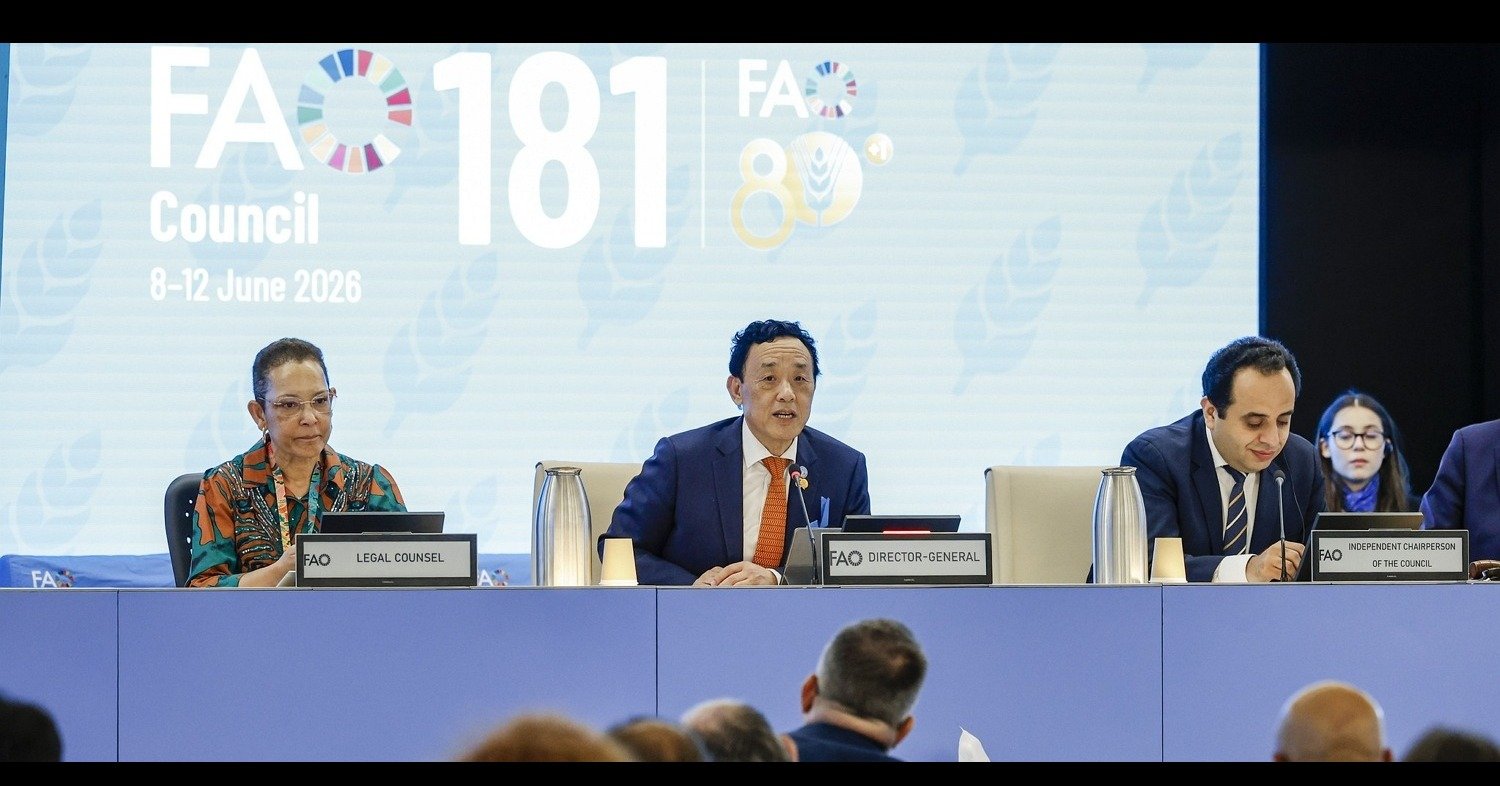
The closure of the Strait of Hormuz is not a regional issue – it is a global food security risk
The Food and Agriculture Organisation (FAO) has warned that the ongoing disruption in the Strait of Hormuz poses a significant threat to global food security, with fertiliser supplies emerging as a major concern for agricultural production worldwide.
Addressing the 181st Session of the FAO Council in Rome, FAO Director-General QU Dongyu highlighted the strategic importance of the Strait of Hormuz, through which a substantial share of global energy and agricultural inputs pass. According to FAO, the waterway handles around 35 per cent of global crude oil exports, 20 per cent of liquefied natural gas (LNG) exports, 20–30 per cent of global fertiliser exports, and nearly half of the world’s sulfur exports.
“The closure of the Strait of Hormuz is not a regional issue – it is a global food security risk,” Qu said, emphasising that the most immediate danger is not a food shortage but a fertiliser and agricultural production shock.
As the crisis enters its 100th day, farmers across Asia, Africa and Latin America are facing rising input costs and uncertainty around fertiliser availability. The situation is forcing many producers to reconsider crop choices and fertiliser application rates, potentially affecting yields and food supply chains.
To mitigate the impact, FAO has outlined a package of immediate, medium- and long-term measures. These include maintaining open trade in agricultural inputs, avoiding export restrictions, protecting humanitarian food corridors, and securing alternative logistics routes. The organisation is also promoting efficient fertiliser use through soil mapping, precision agriculture and intercropping systems that reduce dependence on nitrogen fertilisers.
In the longer term, FAO is supporting innovation in alternative nutrient sources, including green ammonia and biofertilizers, to strengthen the resilience of global agrifood systems.
The agency further cautioned that potential El Niño-related weather disruptions later this year could compound existing pressures on food production and food security in vulnerable regions.
FAO also highlighted funding challenges for its Global Emergency and Resilience Appeal launched in December 2025. The initiative, which aims to support 100 million people by 2026, has so far secured only $206 million of the $2.5 billion required. Despite funding constraints, FAO continues emergency interventions in crisis-hit regions, including livestock vaccination programs in Sudan and livestock feed support for herders in Gaza.

Jul 09, 2026 | Company News
Jul 08, 2026 | Packaging

Jul 08, 2026 | Australia
Jul 01, 2026 | Food Safety and Testing

Jun 18, 2026 | Company News
Jul 09, 2026 | Company News
Jul 09, 2026 | Company News
Jul 09, 2026 | Company News