Wednesday, 8 July 2026
Wednesday, 8 July 2026
The decision has been welcomed by Good Food Institute Europe (GFI Europe) Germany has taken a significant step towards strengthening its alternative protein industry by embedding plant-based and food biotechnology…
The decision has been welcomed by Good Food Institute Europe (GFI Europe)
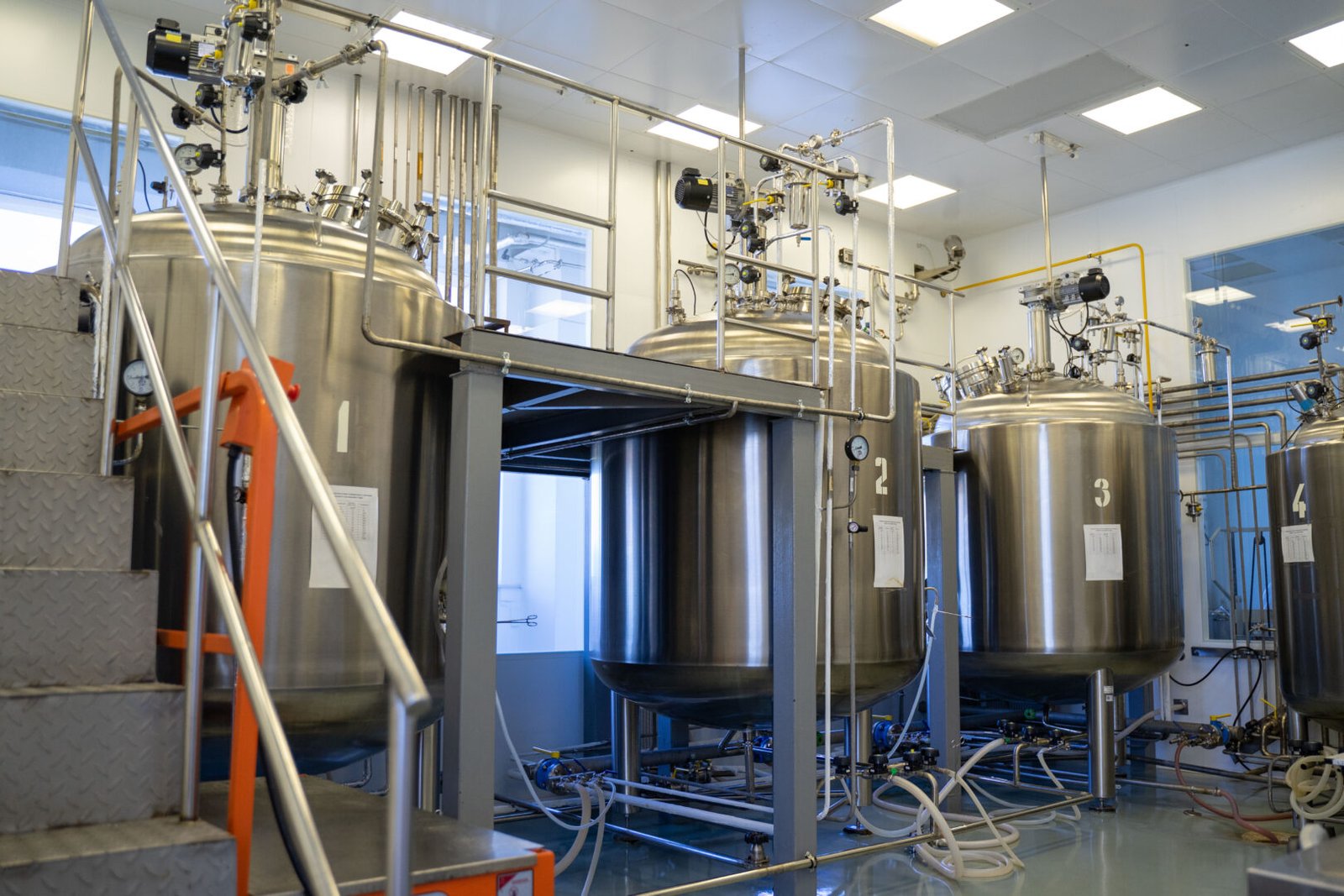
Germany has taken a significant step towards strengthening its alternative protein industry by embedding plant-based and food biotechnology innovation into its national High-Tech Agenda. The roadmap, unveiled by the German Federal Ministry of Research, Technology and Space, identifies alternative proteins as a strategic area for boosting innovation leadership, technological sovereignty, and sustainable food production.
The decision has been welcomed by Good Food Institute Europe (GFI Europe), which said the move could help position Germany as a leading European hub for cultivated meat, precision fermentation, and next-generation plant-based foods.
A key highlight of the roadmap is the planned launch of a national innovation hub for cell cultivation and precision fermentation in 2027. The hub is expected to consolidate fragmented research efforts, encourage collaboration between academia and industry, and accelerate the commercialisation of sustainable food technologies. Similar initiatives in countries such as the United Kingdom and Sweden have already demonstrated success in advancing food-tech innovation and open-access research.
Germany currently ranks among Europe’s top countries for scientific publications and patents related to alternative proteins. However, public investment in the sector remains relatively modest. According to GFI Europe, Germany invested around €79 million in alternative proteins between 2020 and 2025, with most funding directed towards plant-based proteins and limited support for biotechnologically produced foods.
Industry experts believe stronger public funding and streamlined regulations could unlock substantial economic potential. A study by consulting firm Systemiq estimates that the alternative protein sector could contribute up to €65 billion annually to Germany’s economy by 2045 while creating as many as 250,000 jobs.
The roadmap also emphasises the importance of efficient and transparent novel food approval processes and proposes regulatory sandboxes under the upcoming EU Biotech Act to support innovation in sustainable foods. GFI Europe said these measures will be crucial for ensuring market access and long-term growth of the sector across Europe.
Jul 08, 2026 | Packaging

Jul 08, 2026 | Australia

Jul 07, 2026 | Company News
Jul 01, 2026 | Food Safety and Testing

Jun 18, 2026 | Company News
Jul 08, 2026 | Dietary Supplements
Jul 08, 2026 | Beverages
Jul 08, 2026 | Packaging