Thursday, 2 July 2026

Thursday, 2 July 2026
Conflict, displacement and restricted humanitarian access leave more than 825,000 children at risk of death from severe malnutrition in 2026 The Food and Agriculture Organisation (FAO), the World Food Programme…
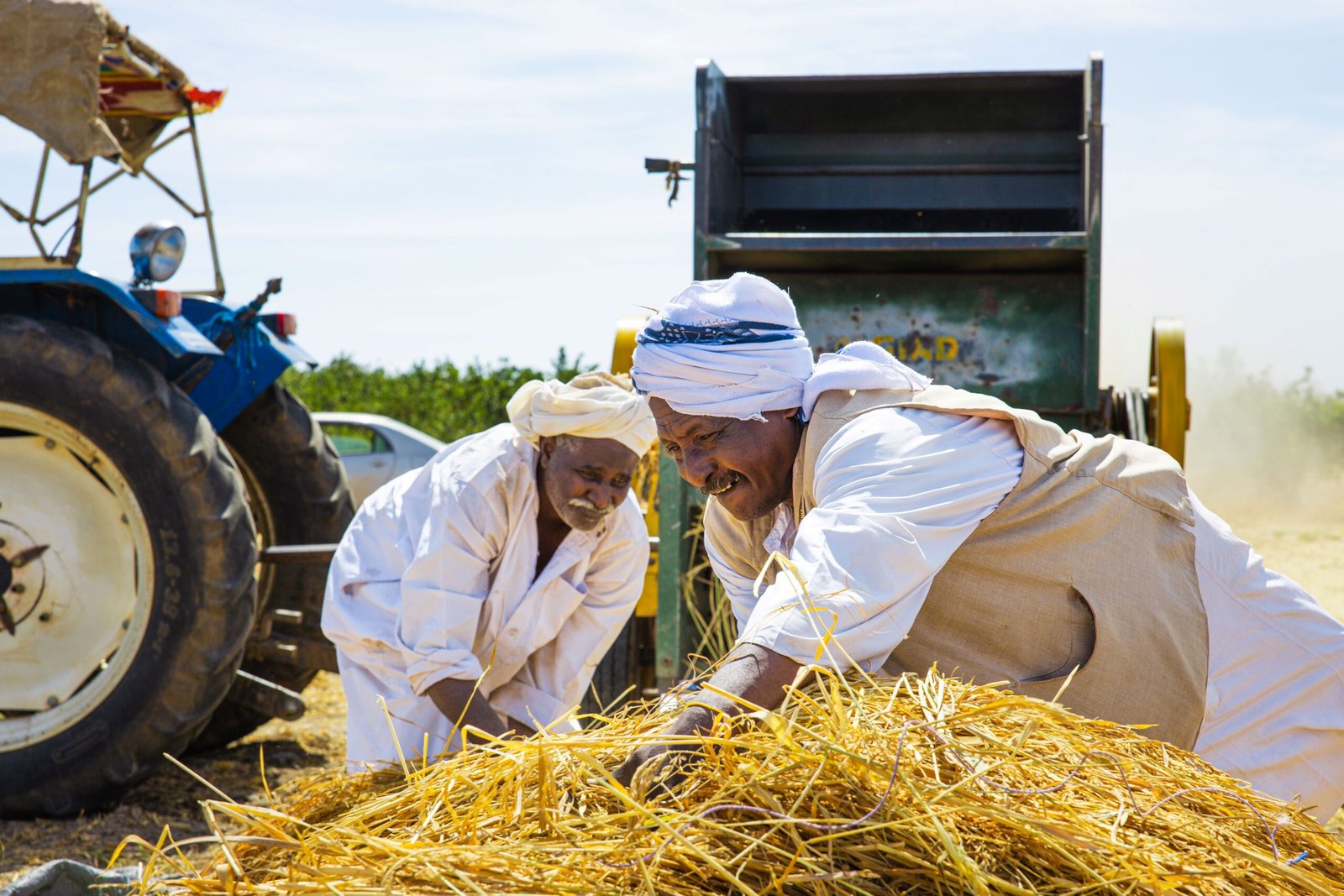
Conflict, displacement and restricted humanitarian access leave more than 825,000 children at risk of death from severe malnutrition in 2026
The Food and Agriculture Organisation (FAO), the World Food Programme (WFP) and UNICEF warned that nearly 19.5 million people – two out of every five people in Sudan – are currently facing crisis levels of acute food insecurity (IPC Phase 3 or above) across Sudan, according to the latest Integrated Food Security Phase Classification (IPC) analysis.
Although the latest IPC analysis did not identify areas currently experiencing Famine (IPC Phase 5), conditions remain extremely concerning. The analysis shows that nearly 135,000 people are facing Catastrophic food insecurity (IPC Phase 5) across 14 hotspots in Darfur, South Darfur, and South Kordofan are at risk of famine in the coming months. More than five million people are classified under IPC Phase 4 (Emergency) and a further 14 million people are in IPC Phase 3 (Crisis). Conditions are expected to deteriorate further during the lean season between June and September.
As the civil conflict enters its fourth year, the protracted hunger crisis in Sudan shows little sign of abating as violence, displacement and severe humanitarian access constraints are impacting children, families and communities across the country.
Sudan is also facing a severe nutrition crisis. An estimated 825,000 children under five are expected to suffer from Severe Acute Malnutrition (SAM) in 2026, a seven per cent increase compared to 2025 and 25 per cent higher than pre-conflict levels recorded between 2021 and 2023. Between January and March this year alone, almost 100,000 children were admitted for treatment for severe acute malnutrition, which can lead to death if not treated urgently.
Um Baru and Kernoi localities recorded critical levels of malnutrition in December 2025. Acute malnutrition is expected to remain at extremely high levels in these localities, with additional areas at risk of deteriorating, particularly in besieged areas and among internally displaced populations.
Conflict-driven displacement remains at extremely high levels, with close to nine million people uprooted within Sudan as of the end of March 2026. Many families remain trapped in active conflict zones or have sought refuge in remote areas with little or no access to humanitarian assistance or basic services.
The destruction of civilian infrastructure – including markets, health facilities, water systems, and agricultural assets – has severely constrained food production and access to essential services. Around 40 per cent of health facilities are non-functional, while an estimated 17 million people lack access to safe drinking water, and 24 million people lack access to adequate sanitation.
Repeated outbreaks of cholera, measles, malaria, dengue, hepatitis, diphtheria, and diarrheal diseases are further accelerating nutritional deterioration, especially among young children and pregnant and breastfeeding women.
Humanitarian access constraints remain among the most severe in the world. Insecurity, bureaucratic impediments, attacks along supply routes, destruction of markets and means of production as well as restrictions on the movement of people and goods continue to prevent humanitarian actors from delivering assistance at the scale required.
Only 20 per cent of Sudan’s 2026 Humanitarian Needs and Response Plan had been funded as of April 2026. Humanitarian assistance remains critically inadequate compared to the scale of needs. Between February and May, humanitarian partners aimed to reach 4.8 million people per month. However, only an estimated 3.13 million people received assistance in February.
FAO, WFP, and UNICEF call for an immediate cessation of hostilities, for parties to the conflict to protect civilians and civilian infrastructure, and provide safe, rapid and unimpeded humanitarian access across conflict-affected areas. The agencies also urge the international community to urgently scale up funding for food, emergency food production, nutrition, health, and water and sanitation services, as well as support for actions to rebuild livelihoods.

Jul 01, 2026 | Food Security
Jul 01, 2026 | Food Safety and Testing

Jun 29, 2026 | Australia
Jul 01, 2026 | Food Safety and Testing

Jun 18, 2026 | Company News
Jul 02, 2026 | Company News
Jul 02, 2026 | Company News
Jul 02, 2026 | Beverages