Tuesday, 23 June 2026
Tuesday, 23 June 2026
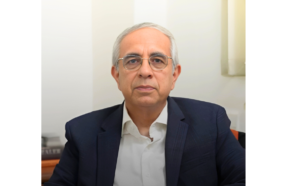
Simon Pettman, Executive Director, International Alliance Of Dietary/Food Supplement Associations (IADSA), Health supplements have become a trusted part of daily routines for millions of consumers worldwide. It is a way…
Simon Pettman, Executive Director, International Alliance Of Dietary/Food Supplement Associations (IADSA),
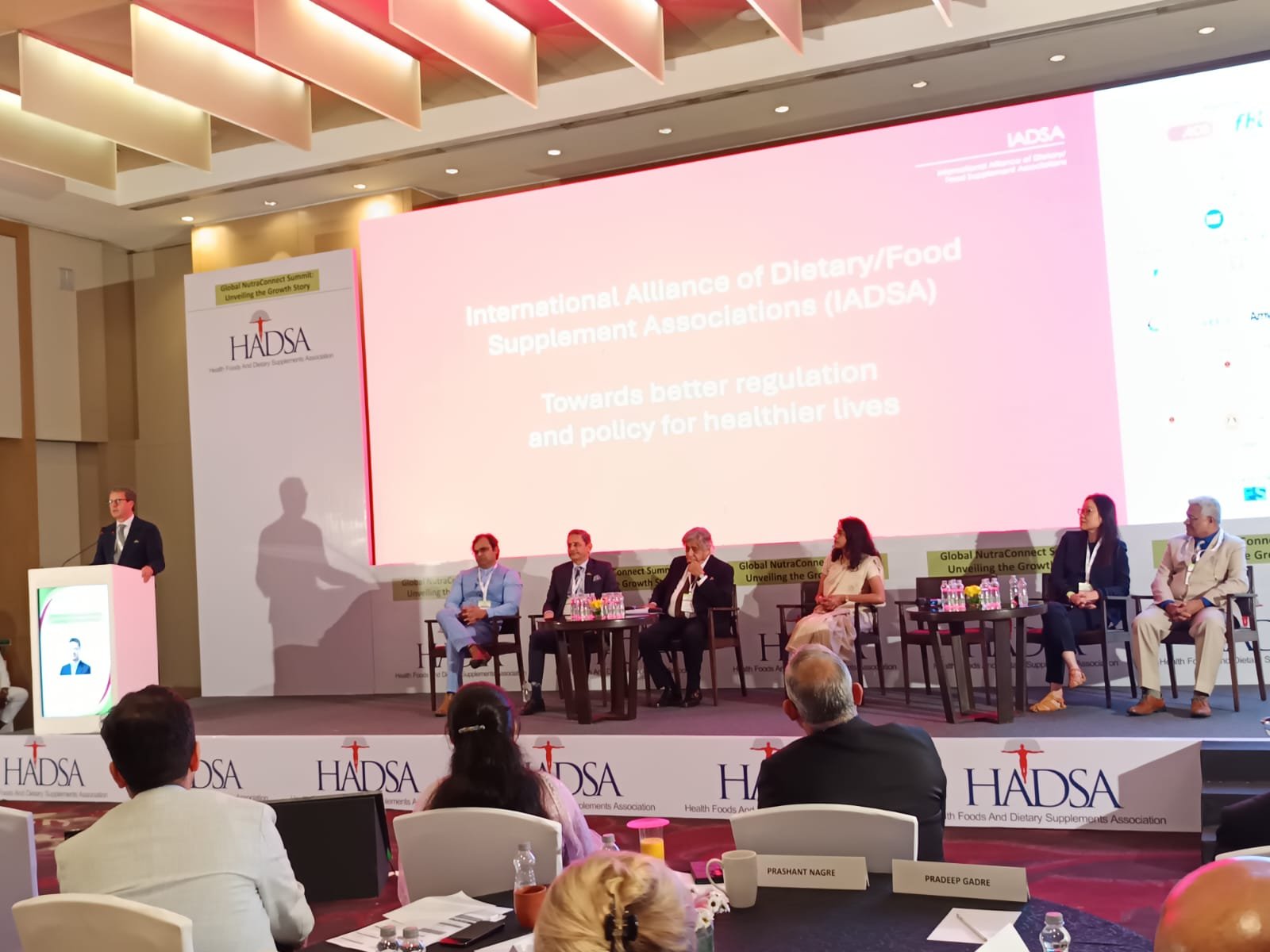
Health supplements have become a trusted part of daily routines for millions of consumers worldwide. It is a way to take greater ownership of their health and maximise their personal potential, said Simon Pettman, Executive Director, International Alliance Of Dietary/Food Supplement Associations (IADSA), on the sidelines of Global NutraConnect Summit held recently in Mumbai organised by the Health Foods and Dietary Supplements Association (HADSA) under the theme ‘Unveiling the Growth Story’.
In an exclusive interview, Simon Pettman further added, “The simple truth that we all recognise: good nutrition is the foundation of good health. Yet around the world, The Food and Agriculture Organization (FAO) and World Health Organisation (WHO) data shows that more than two billion people still suffer from micronutrient deficiencies, often quietly and often with serious consequences. In this evolving landscape, supplementation is becoming an increasingly valuable tool to help individuals proactively support their wellbeing and maintain long-term resilience and productivity through vitamins and minerals, botanicals, and other ingredients.
Excerpts-
1. Please give your perspective on the initiatives, vision and mission of IADSA.
Founded in 1998, IADSA has served as the global platform supporting the evolution of regulation and policy for the health supplement sector. We have been called upon by partners in government in more than 80 countries to share knowledge, research, perspectives and best practices, always grounded in science and the public interest.
To be heard requires trust, and this must always be earned. That is why our work is built on three pillars: scientific rigour, responsible industry standards, and strong partnerships.
As an industry we are committed to product quality and responsible practices across our sector. From developing global guidance on good manufacturing practice and product stability, to investing in initiatives that strengthen consumer understanding and safety, our work aims to continuously elevate standards to allow consumers to buy products with confidence.
Our members include the many national and regional health supplement associations across the world and 18 of the leading global companies in our sector. Some of the noteworthy names to mention are our Chair, Chi Hee Kim of Herbalife, our Chair of the Company Council Michelle Stout of Amway. Membership also includes those with a pharmaceutical heritage, such as Haleon, Opella and Reckitt and companies with a food and consumer products heritage, including Nestle and Unilever. We have been very proud to recently welcome two Indian companies Himalaya and OmniActive into membership and they bring considerable value to our strategic discussions.
At the Global NutraConnect Summit, we could discuss the direction of the sector, but also about public health and the wellbeing of societies.
2. What is your perspective on nutrition and health with reference to India and globally?
In India, as in many countries, economic growth and urbanisation are transforming lifestyles and expectations around health. As populations live longer and healthcare systems face increasing pressure, attention is turning towards achieving optimal health in addition to avoiding deficiencies.
Increasingly, evidence is also showing that supplementation can contribute not only to individual wellbeing but also to the sustainability of healthcare systems, including by lowering healthcare costs and easing pressure on healthcare services. As governments look for solutions that are both effective and economically sustainable, the contribution of responsible supplementation is gaining greater attention.
Increasingly, evidence is also showing that supplementation can contribute not only to individual wellbeing but also to the sustainability of healthcare systems, including by lowering healthcare costs and easing pressure on healthcare services. As governments look for solutions that are both effective and economically sustainable, the contribution of responsible supplementation is gaining greater attention.
The latest global research conducted by IPSOS shows that consumers value and trust health supplements. In Europe the figure is 69%, in the US 74% and in South East Asia consumer trust reaches 92 percent.
3. Please share your perspective on how the regulatory landscape has evolved globally in health supplements.
Since IADSA was formed, the regulation of supplements has evolved considerably. In 1998, the majority of the world did not have specific regulation for supplements. This took time to change.
The EU’s Food Supplement Directive took the EU’s Member States more than 14 years to agree in 2002. Among the South East Asian nations ASEAN group, agreeing the 10 critical technical annexes on claims, GMPs, restricted and prohibited lists of ingredients, maximum levels of vitamins and minerals and many other areas was completed in about 8 years. China has also transformed its regulation in this period to take advantage of the opportunity that this global market presents for their economic growth. And across Latin America governments have continued over the years to build their regulatory systems with Brazil leading the way.
Some regulations emerge in response to public demand. Others reflect the need to harmonise markets or facilitate trade. And all reflect to some degree national customs, traditions and experience. But at their core, regulations share five key elements: 1) They have clear terminology, whether health/dietary/food supplement, to ensure legal clarity and to ensure that consumer perception of the purpose of our products is properly understood. Their purpose is to supplement: they are not medicines to treat or cure. 2) They must be safety based, allowing consumers to buy products that work for them as long as they are safe. 3) They must provide guidance on communication and claims to ensure transparency and trust and that consumers have access to information to allow them to make the right choices. 4) They must always have a foundation of quality requirements to ensure product integrity. In addition, the fifth element is a stable regulatory climate which is key towards investment for companies to grow and build long-term. Today’s global leaders in our sector have not grown overnight, they have grown over many years always with considerable resources allocated to innovation, their people and foreign direct investment. To invest, companies need a stable regulatory climate and stable regulatory framework nationally, regionally and globally.
Global NutraConnect Summit discussions are important to explore how continued collaboration can help support innovation and ensure that health supplements contribute meaningfully to public health and wellbeing.
They are also important to ensure that the regulatory framework here in India is able to support the development of more Indian champions in the world and deliver quality products that consumers deserve, whether they are in London, Los Angeles, Tokyo, Singapore or here in Mumbai.

Jun 23, 2026 | Supply chain


Jun 22, 2026 | Australia

Jun 18, 2026 | Company News

Jun 23, 2026 | Cultured Meat
Jun 23, 2026 | Beverages