Tuesday, 23 June 2026

Tuesday, 23 June 2026
Norway exported seafood worth NOK 14.8 billion in January, down NOK 416 million, or 3 per cent, compared with the same month last year Norway’s seafood exports declined in value…
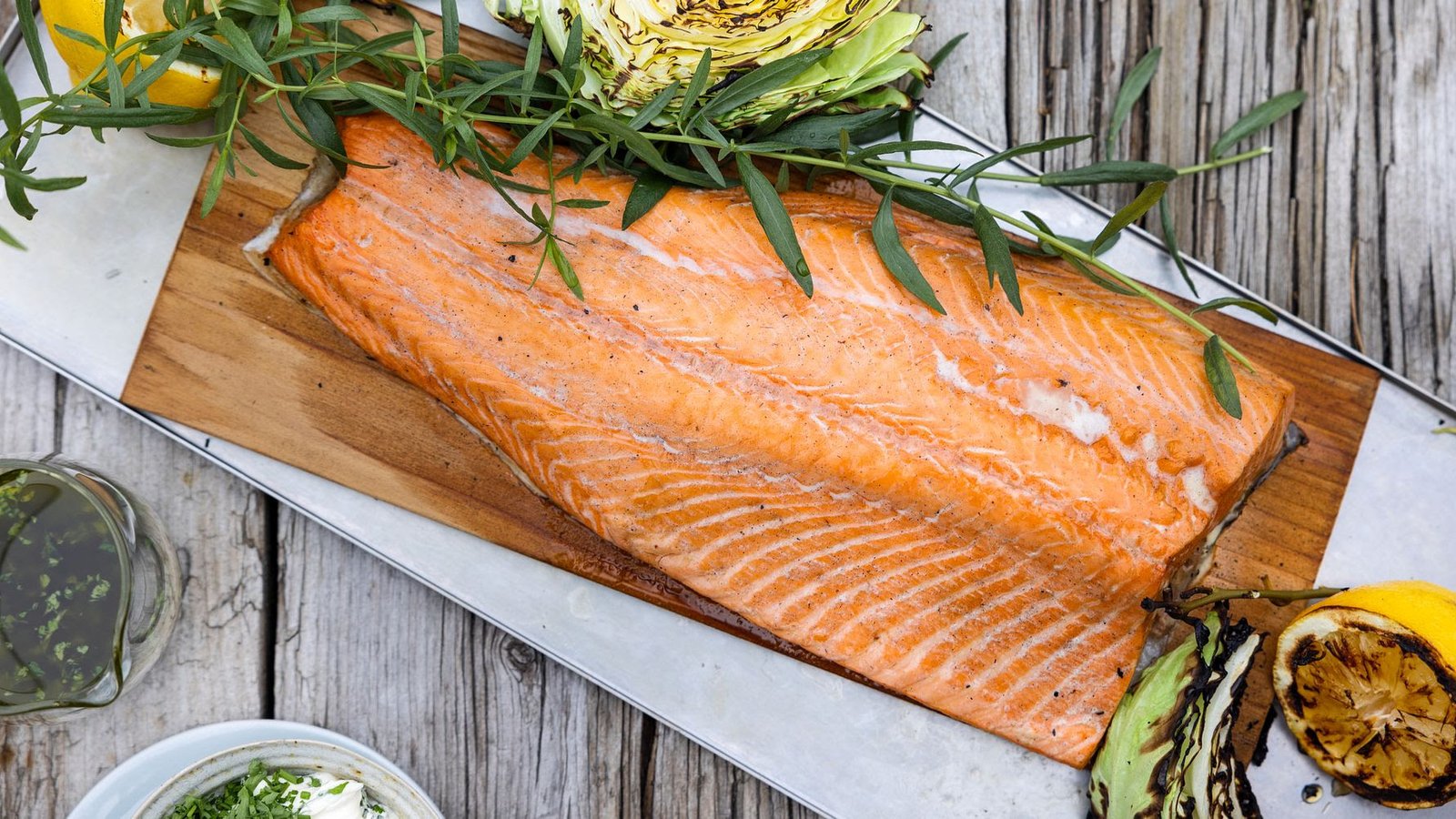
Norway exported seafood worth NOK 14.8 billion in January, down NOK 416 million, or 3 per cent, compared with the same month last year
Norway’s seafood exports declined in value in January as lower salmon prices, currency headwinds, reduced wild-catch quotas and trade uncertainty in the United States weighed on performance, according to the Norwegian Seafood Council.
Norway exported seafood worth NOK 14.8 billion in January, down NOK 416 million, or 3 per cent, compared with the same month last year. Christian Chramer, CEO of the Norwegian Seafood Council, said a combination of market and macroeconomic pressures contributed to the decline.
“Lower salmon prices, a weaker US dollar, reduced quotas for several wild fish species and tougher competition in important markets meant that Norwegian seafood exports fell in January,” Chramer said.
The United States, which was Norway’s largest single market in January last year, slipped to fourth place after export value to the country fell by 37 per cent year-on-year to NOK 937 million. Poland, China and the Netherlands overtook the US, reflecting a shift in market dynamics.
“High and unpredictable tariffs and a weaker dollar have created great uncertainty and challenges in the USA, which remains our largest fillet market for both salmon and trout,” Chramer said, adding that the impact is already being felt across the value chain.
Exports of salmon and trout fillets fell 9 per cent in January after growing 8 per cent last year, highlighting the sensitivity of processed products to trade disruptions. Chramer warned that uncertainty in one major market can ripple through the tightly interconnected global seafood trade, affecting multiple species and regions.
Europe increased its share of Norway’s total seafood exports to 66 per cent in January, up from 62 per cent a year earlier. Poland stood out with 55 per cent growth, supported by both processing demand and rising domestic consumption.
China also provided a bright spot, with salmon export value exceeding NOK 1 billion in a single month for the first time. “Strong demand from China is cushioning some of the impact of the US downturn,” Chramer said.
Meanwhile, reduced quotas for wild-caught species led to high prices but lower volumes for mackerel, saithe and prawns. For mackerel, export volumes were the lowest since 1990, intensifying competition for raw materials and pressuring Norway’s onshore seafood industry.

Jun 22, 2026 | Australia


Jun 18, 2026 | Company News
Jun 18, 2026 | Company News

Jun 22, 2026 | Feature
Jun 22, 2026 | Dietary Supplements