Thursday, 25 June 2026

Thursday, 25 June 2026
Edible coatings made from plant cellulose or starch are already widely studied as biodegradable and food-safe alternatives to plastic packaging Blueberries could soon stay fresher for much longer, thanks to…
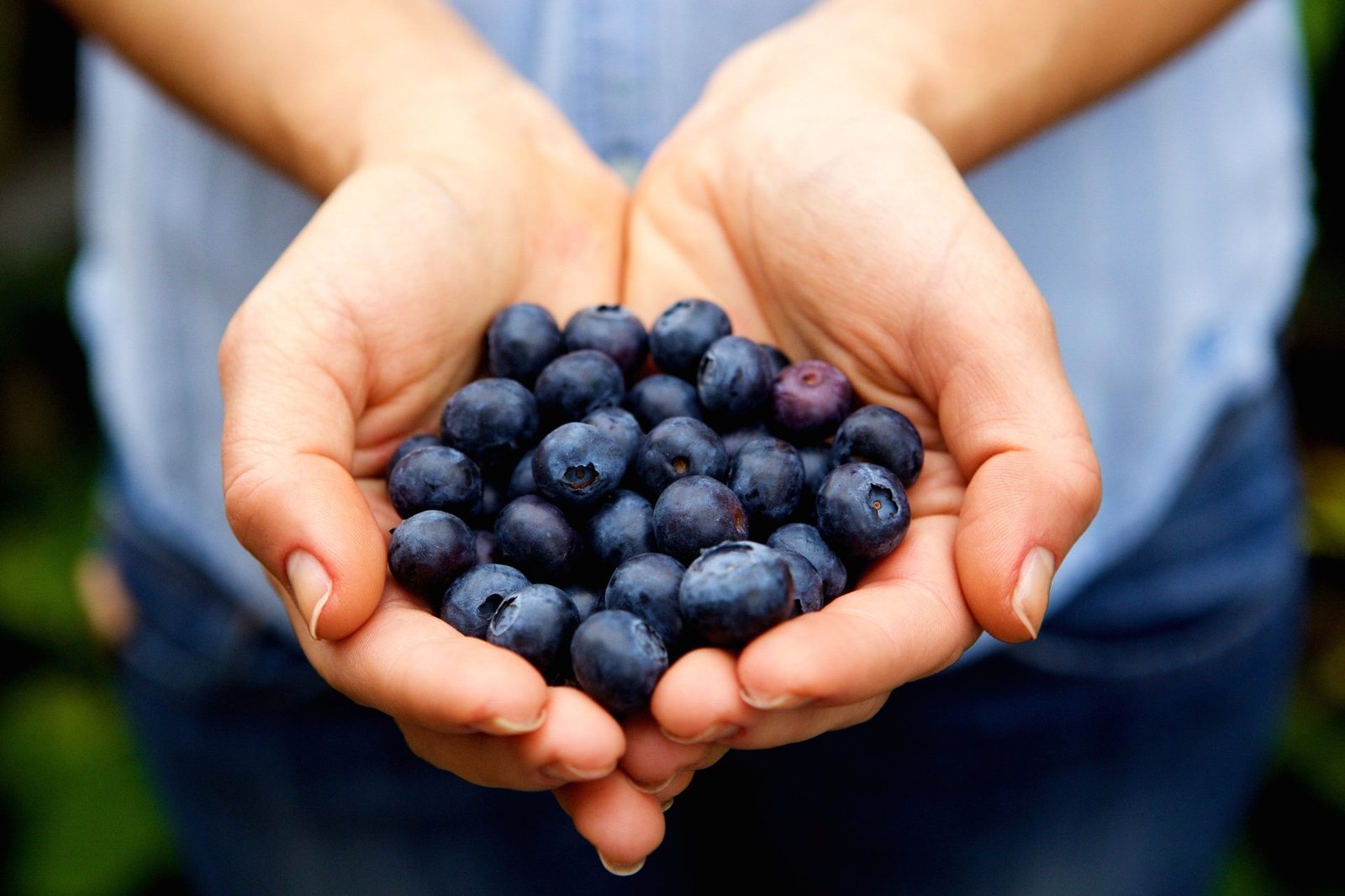
Edible coatings made from plant cellulose or starch are already widely studied as biodegradable and food-safe alternatives to plastic packaging
Blueberries could soon stay fresher for much longer, thanks to an edible film developed by researchers at UNSW Sydney who have found a way to transform used coffee grounds into a protective, food-safe coating.
Australians who frequently find themselves throwing out wrinkled or mould-flecked blueberries may benefit from the innovation, which aims to slow the rapid deterioration of delicate summer fruits.
A team of chemical engineers at UNSW has created a polysaccharide-based edible film using cellulose nanofibres (CNFs) extracted from spent coffee grounds, combined with grapeseed oil. Initial laboratory tests suggest that it can significantly reduce the amount of moisture entering or leaving fruits, such as blueberries, thereby helping to extend their shelf life.
“We’ve created a polysaccharide-based coating to improve the fruit’s water vapour barrier,” said lead author and PhD candidate Lilah Saidi. “The coating contains cellulose nanofibres derived from used coffee grounds and grapeseed oil.”
Edible coatings made from plant cellulose or starch are already widely studied as biodegradable and food-safe alternatives to plastic packaging. However, their effectiveness has been limited because polysaccharides naturally attract and absorb water.
“Polysaccharides are excellent biopolymers for films, but their major disadvantage is their high water affinity,” Saidi said. “Our innovation lies in repurposing spent coffee grounds. These are an abundant waste product from cafés that can serve as both nano-fillers and stabilisers in the coating.”
The coffee-derived nanofibres strengthen the film’s internal structure, creating a tighter network that slows the movement of water molecules. Meanwhile, the addition of grapeseed oil provides a water-repellent element that further improves moisture resistance.
The result is a clear, flexible, edible coating with enhanced mechanical strength and improved moisture control — qualities that could extend the freshness of produce in shops and households alike.
The formulation has been validated in the laboratory, and the team is preparing for real-world testing on fresh fruit before progressing to commercial-scale production.
If successful, the technology could support both food preservation and sustainability efforts by reducing food waste and repurposing the large quantities of coffee grounds discarded across Australia each day.

Jun 25, 2026 | Events

Jun 25, 2026 | Events
Jun 24, 2026 | Company News

Jun 18, 2026 | Company News

Jun 25, 2026 | Events
Jun 25, 2026 | Events
Jun 24, 2026 | Company News