Monday, 6 July 2026

Monday, 6 July 2026
The research team has invented an anaerobic digester system that recycles food scraps to produce electrical energy and heat. Researchers at the National University of Singapore (NUS), in collaboration with…
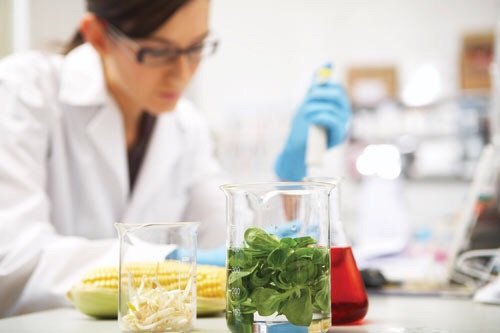
Researchers at the National University of Singapore (NUS), in collaboration with scientists from Shanghai Jiao Tong Univeristy, have developed a method to convert food waste into energy and fertilizer.
In Singapore, food waste accounts for about ten percent of the total waste generated in the city state. The recycling rate of such waste currently stands at about 14 percent.
The research team has invented an anaerobic digester system that recycles food scraps to produce electrical energy and heat. This digester system is self-sustaining as the electricity and heat generated during the digestion process is sufficient to fully power the system and its processes.
The anaerobic digester also converts about 80 percent of the food waste fed into the system into nutrient-rich digestate, which can be processed to produce liquid fertilizers for farming and horticultural needs.
The researchers are also working on a larger anaerobic digester system to cater to the needs of a canteen or food centre. This system would be able to process up to 400 kilograms of waste food daily.

Jul 06, 2026 | Food
Jul 03, 2026 | Beverages
Jul 01, 2026 | Food Security
Jul 01, 2026 | Food Safety and Testing
Jun 18, 2026 | Company News
Jul 06, 2026 | Company News
Jul 06, 2026 | India
Jul 06, 2026 | Company News