Wednesday, 8 July 2026

Wednesday, 8 July 2026
Vegetarian and non-vegetarian thalis become 5 per cent and 6 per cent costlier year-on-year as monsoon concerns keep food inflation in focus The cost of preparing a home-cooked thali in…
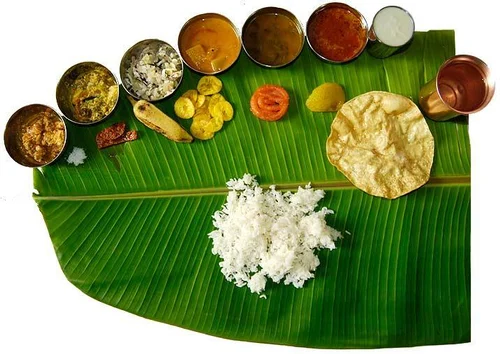
Vegetarian and non-vegetarian thalis become 5 per cent and 6 per cent costlier year-on-year as monsoon concerns keep food inflation in focus
The cost of preparing a home-cooked thali in India rose in June, driven by higher prices of key ingredients such as tomatoes, onions, vegetable oils and liquefied petroleum gas (LPG), according to the latest Crisil Intelligence report.
On a year-on-year basis, the cost of a vegetarian thali increased by 5 per cent, while the cost of a non-vegetarian thali rose 6 per cent, reflecting continued pressure on household food expenditure despite a decline in potato prices.
Crisil’s monthly thali index, which tracks the average cost of preparing a meal at home based on prevailing input prices across north, south, east and west India, highlights the impact of changing food prices on consumers.
According to Pushan Sharma, Director, Crisil Intelligence, tomato prices surged 31 per cent year-on-year due to delayed and lower summer crop planting. At the same time, vegetable oil and LPG prices remained elevated, supported by global supply disruptions linked to the ongoing conflict in West Asia.
The report noted that the southwest monsoon has remained below normal so far, with cumulative rainfall between 1 June and 7 July approximately 17 per cent below the long-period average. Rainfall deficits stood at around 15 per cent in South India, 19 per cent in Northwest India, and 39 per cent in East and Northeast India, while Central India recorded rainfall 1 per cent above normal.
Although monsoon activity has strengthened over the past week, expanding into additional parts of Gujarat, Haryana and Punjab, Crisil cautioned that the temporal and spatial distribution of rainfall during the remainder of the season will be critical for agricultural output.
The report warned that a prolonged rainfall deficit during key crop growth stages could affect kharif paddy production, particularly during the flowering stage, tightening supplies from major producing states including Bihar, West Bengal, Odisha, Chhattisgarh and Maharashtra and supporting higher market prices.
Pulse prices are also expected to remain firm due to lower opening stocks of urad and moong, coupled with weather-related yield losses in Karnataka, Madhya Pradesh and Maharashtra.
Among vegetables, onions and tomatoes are likely to remain under price pressure. Crisil said lower rabi onion stocks have already tightened supplies, while delayed kharif planting and moisture stress could further affect production. Onion prices are therefore expected to remain firm over the medium term.
Tomato prices are expected to stay elevated through July and August, supported by delayed kharif planting and seasonally lower supplies. However, staggered arrivals of the summer crop, particularly from southern states where farmers replanted following heat stress, could help moderate seasonal price spikes.
The report added that tomato prices will remain highly sensitive to any further monsoon-related disruptions affecting logistics or crop conditions in major producing regions. Prices are expected to ease from September as fresh kharif arrivals from southern and western India enter the market, although the pace of correction will depend on rainfall distribution, crop health and supply chain efficiency.
With weather uncertainties continuing to influence agricultural production, Crisil expects food prices to remain closely linked to the progress of the southwest monsoon in the coming months, making rainfall patterns a key determinant of household food inflation.
Jul 08, 2026 | Packaging

Jul 08, 2026 | Australia

Jul 07, 2026 | Company News
Jul 01, 2026 | Food Safety and Testing

Jun 18, 2026 | Company News
Jul 08, 2026 | Beverages
Jul 08, 2026 | Packaging