Friday, 22 May 2026

Friday, 22 May 2026
FAO, UNICEF, WFP and WHO say hunger, malnutrition, disease and the scale of agricultural destruction remain alarmingly high The latest Integrated Food Security Phase Classification (IPC) analysis for Gaza confirms that no…
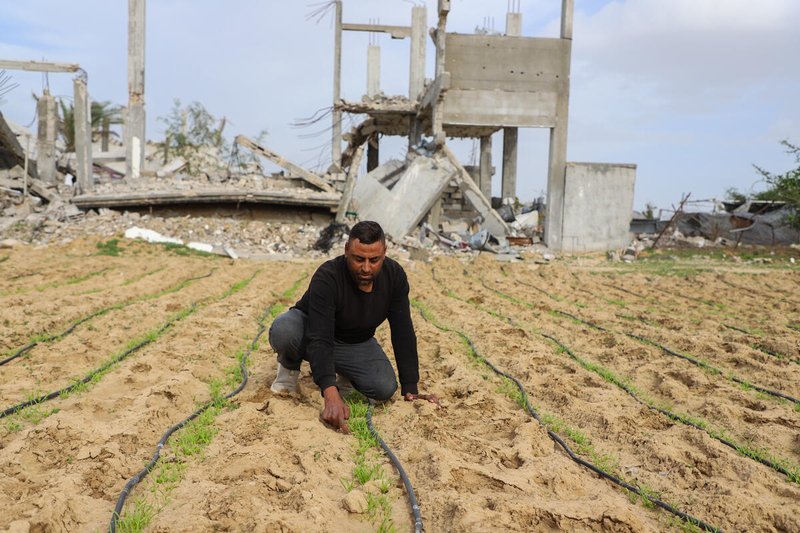
FAO, UNICEF, WFP and WHO say hunger, malnutrition, disease and the scale of agricultural destruction remain alarmingly high
The latest Integrated Food Security Phase Classification (IPC) analysis for Gaza confirms that no areas of the Strip are currently classified as being in famine, following the October ceasefire and improved humanitarian and commercial access. This welcome progress remains extremely fragile as the population continues to struggle with massive infrastructure destruction and collapsed livelihoods and local food production, given restrictions on humanitarian operations.
Without sustained, large-scale expansion of food, livelihood, agriculture and health assistance, together with increased commercial inflows, hundreds of thousands of people could rapidly slip back into famine, the Food and Agriculture Organisation of the United Nations (FAO), UNICEF, the World Food Programme (WFP), and the World Health Organisation (WHO) warned today.
According to the new IPC report, at least 1.6 million people – or 77 per cent of the population – are still facing high levels of acute food insecurity in the Gaza Strip, including over 100,000 children and 37,000 pregnant and breastfeeding women projected to suffer acute malnutrition through April next year. Four governorates (North Gaza, Gaza Governorate, Deir al-Balah, and Khan Younis) are currently classified in Emergency (IPC Phase 4) through April 2026, with Gaza Governorate downgraded from the previous Famine classification. This phase still indicates severe food insecurity marked by large food consumption gaps, high levels of acute malnutrition, and an elevated risk of mortality.
While the ceasefire has improved some deliveries of food, animal feed, basic supplies and essential commercial imports into Gaza, leading to an improvement in access to food for some households, most families are still grappling with severe shortages. Since the ceasefire, more than 730,000 people have been displaced, many living in makeshift shelters and are heavily reliant on humanitarian assistance. In addition, limited access to basic water, sanitation, and hygiene (WASH) services, healthcare, and the widespread destruction of cropland, livestock, fishing activities, roads, and other critical infrastructure pose tremendous challenges for people and ongoing relief efforts.
Humanitarian needs remain staggering, with current assistance addressing only the most basic survival requirements. Children under five, along with pregnant and breastfeeding women, remain among the most vulnerable, facing worryingly high levels of malnutrition despite recent improvements.
Even though markets are now better stocked with nutritious food following the improved flow of humanitarian and commercial deliveries, vulnerable families, especially those with children, cannot afford to buy it. Nutrition-rich foods, particularly proteins, remain scarce and prohibitively expensive, leaving 79 per cent of households unable to buy food or have access to clean water. No children are reaching minimum dietary diversity, and two-thirds experience severe food poverty, consuming only one to two food groups.
The situation is worsened by overcrowded makeshift shelters, damaged sewage systems, unreliable water supplies, and families burning wood or trash to stay warm. Together, these conditions are driving disease outbreaks and accelerating the spread of respiratory infections, diarrhoea, and skin diseases, especially among children.

May 22, 2026 | Australia

May 21, 2026 | Company News

May 21, 2026 | India

May 14, 2026 | Food

May 13, 2026 | Food Safety and Testing

May 12, 2026 | Food Safety and Testing
May 22, 2026 | Company News
May 22, 2026 | China
May 22, 2026 | Beverages