Friday, 26 June 2026

Friday, 26 June 2026
This achievement not only reflects progress toward sustainable and regenerative agriculture but also strengthens Ingredion’s clean-label value proposition for food manufacturers navigating evolving consumer demands As global food systems transform…
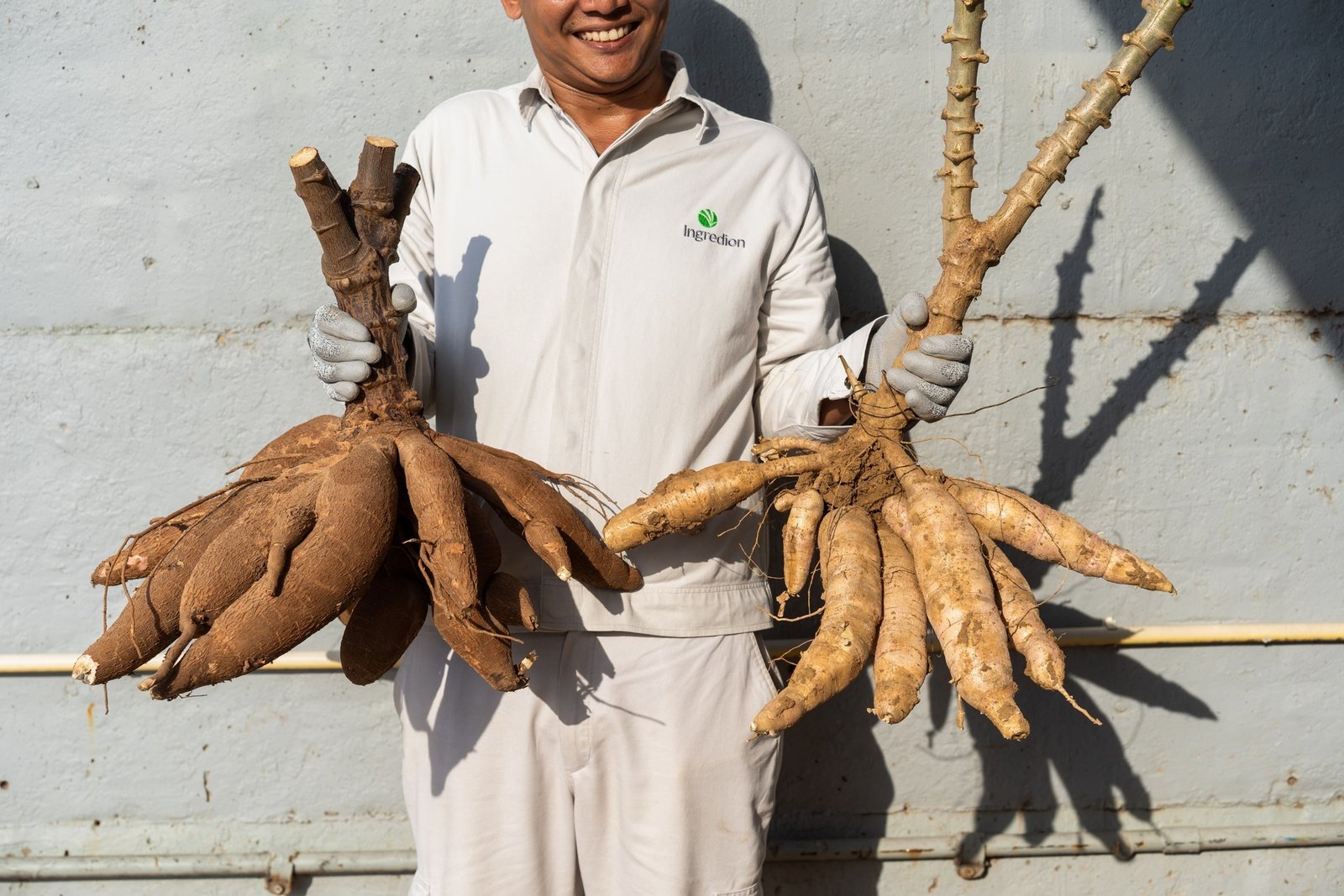
This achievement not only reflects progress toward sustainable and regenerative agriculture but also strengthens Ingredion’s clean-label value proposition for food manufacturers navigating evolving consumer demands
As global food systems transform sustainability and transparency, ingredient solution providers are playing a critical role in reshaping supply chains. Ingredion has reached a significant milestone in this journey, achieving 100 per cent sustainably sourced cassava in Thailand, along with Farm Sustainability Assessment (FSA) Gold Level verification for its Kalasin plant, setting a new benchmark for responsible sourcing in the Asia-Pacific region.
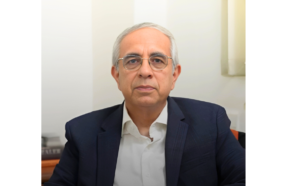
This achievement not only reflects progress toward sustainable and regenerative agriculture but also strengthens Ingredion’s clean-label value proposition for food manufacturers navigating evolving consumer demands. In this interview with NUFFOODS Spectrum, Raymond Deidrick, Vice President & General Manager, Texture & Healthful Solutions ASEAN and Texture Solutions Food Lead APAC, and Metawee Jantamenchai, Sustainability Supervisor at Ingredion Thailand, share insights into the journey, challenges, and future impact of this milestone.
Ingredion Thailand has achieved 100 per cent sustainably sourced cassava and FSA Gold Level verification for its Kalasin plant. How significant is this milestone within Ingredion’s broader global sustainability roadmap?
Raymond Deidrick:
This milestone represents a significant step forward in Ingredion’s global sustainability roadmap. By achieving 100 per cent sustainably sourced cassava in Thailand and securing FSA Gold Level verification for our Kalasin plant, we are delivering independently verified, responsibly sourced cassava while strengthening supply chain transparency and meeting consumer demand for sustainable options.
It also signals strong progress toward our sustainable agriculture objectives and accelerates our regenerative agriculture efforts. Achieving FSA Gold demonstrates that we are fostering best farming practices while enhancing resilience within local farming communities.
The Farm Sustainability Assessment (FSA) Gold Level is considered a rigorous benchmark. What were the biggest operational or farmer-level challenges in reaching 100 per cent verification, and how were they addressed?
Raymond Deidrick:
Reaching FSA Gold Level across 100 per cent of our cassava supply is particularly meaningful given the large network of smallholder farmers we work with in Thailand. This milestone goes beyond corporate sustainability; it directly improves the livelihoods of hundreds of rural families.
The process itself is rigorous, involving benchmarking farm activities against 90 global standards and requiring full compliance with ethical practices. Key challenges included ensuring consistent documentation, standardising on-farm practices, and building historical data where it did not previously exist.
We addressed these through extensive field support, training programmes, and close collaboration with farmers. The FSA framework also includes both farmer self-assessments and third-party validation audits, making sustainability a shared responsibility.
Can you elaborate on how practices such as Integrated Pest Management (IPM), clean planting materials, and crop rotation are improving both yield resilience and environmental outcomes for cassava farmers in Thailand?
Metawee Jantamenchai:
Adopting practices such as Integrated Pest Management (IPM), clean planting materials, and crop rotation has significantly improved both yield resilience and environmental outcomes for our farmer partners.
IPM reduces reliance on chemical pesticides while supporting biodiversity, and we are targeting implementation across at least 70 per cent of our agricultural supply chain by 2027. Clean planting materials help prevent the spread of Cassava Mosaic Disease (CMD), resulting in healthier and more stable harvests.
Crop rotation enhances soil fertility, improves nutrient balance, and contributes to carbon sequestration. Together, these practices support a regenerative agricultural system that boosts productivity while reducing greenhouse gas emissions.
How does achieving a fully sustainably sourced tapioca portfolio in APAC strengthen Ingredion’s value proposition for food manufacturers seeking clean-label and responsible sourcing solutions?
Raymond Deidrick:
As the first FSA-verified sustainable cassava producer in the APAC region, we are enhancing our clean-label offering with verified sustainability credentials. This allows us to provide customers with responsibly sourced, high-quality ingredients backed by transparent supply chains.
Today’s consumers are increasingly conscious, seeking simple ingredient lists and health-focused claims. Our sustainable tapioca solutions address these preferences while delivering improved texture and eating experiences.
This milestone not only supports our sustainability goals but also helps our customers meet theirs, enabling them to create products that align with evolving consumer expectations.
With increasing regulatory and consumer scrutiny around supply chain transparency, how important are third-party audits and traceability systems in building customer trust across global markets?
Raymond Deidrick:
Third-party audits and traceability systems are critical in building trust, especially as regulatory requirements and consumer expectations continue to rise. These systems provide independent validation of responsible sourcing practices and ensure compliance with global standards.
For example, the FSA framework benchmarks environmental and social impacts across the agricultural supply chain, combining farmer self-assessments with third-party validation. This not only ensures credibility but also helps identify areas for continuous improvement.
Additionally, our partnership with HowGood enables us to deliver detailed sustainability data, assess product carbon footprints, and align customer formulations with global sustainability goals such as the UN SDGs.
Do you see this milestone influencing innovation in texture solutions and clean-label formulations, particularly as brands look to align functionality with sustainability commitments?
Raymond Deidrick:
Absolutely. This milestone marks a major advancement in our sustainable innovation journey, particularly with 100 per cent sustainably sourced waxy tapioca across the region.
For brands in APAC, this creates new opportunities to innovate with high-performance ingredients that also offer a lower carbon footprint. These solutions enhance product stability and texture while supporting environmental and social governance (ESG) goals.
Consumer demand for “better-for-you” products continues to rise, with growing interest in natural, organic, and clean-label claims. Our sustainable ingredient portfolio enables brands to deliver indulgent experiences without compromising on transparency or sustainability—reinforcing our role as a trusted co-creation partner.
Shraddha Warde
shraddha.warde@mmactiv.com

Jun 26, 2026 | Company News
Jun 25, 2026 | Events
Jun 18, 2026 | Company News

Jun 26, 2026 | Company News
Jun 25, 2026 | Events
Jun 25, 2026 | Beverages