Thursday, 25 June 2026
Thursday, 25 June 2026
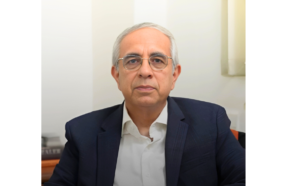
Harmeet Sehra, CSR Head at Vedanta Aluminium As companies increasingly align business growth with social and environmental impact, community-led models are emerging as powerful drivers of sustainable development. In India’s evolving agri-food…
Harmeet Sehra, CSR Head at Vedanta Aluminium
As companies increasingly align business growth with social and environmental impact, community-led models are emerging as powerful drivers of sustainable development. In India’s evolving agri-food landscape, initiatives that combine livelihood generation with ecological stewardship are gaining momentum, particularly in rural regions where small and marginal farmers face persistent challenges around market access, income stability, and value addition.
Vedanta Aluminium is taking a step in this direction through its Vedamrit Jibika Farmer Producer Company (FPC), a beekeeping-led initiative designed to empower farmers while strengthening sustainable agricultural practices. By leveraging natural resources and building collective ownership models, the programme aims to create scalable income opportunities while enhancing biodiversity and farm productivity.
In this exclusive interaction, Harmeet Sehra, CSR Head at Vedanta Aluminium, shares insights into the vision behind the initiative, its role in transforming rural livelihoods, and how the Vedamrit brand is evolving beyond honey production. She also discusses the strategies for scaling the programme, maintaining product quality, and unlocking new opportunities in value-added bee products, highlighting how corporate social responsibility can drive both community resilience and sustainable food systems.
What inspired Vedanta Aluminium to launch the Vedamrit Jibika Farmer Producer Company, and how does this initiative align with the company’s broader sustainability and community development goals?
Our community initiatives spotlight the launch of Vedanta Jibika FPC, driven by the need to bolster rural livelihoods and sustainable incomes for small and marginal farmers in our operational areas. These farmers often grapple with limited market access, fragmented supply chains, and scant value addition to their produce. Vedanta Aluminium stepped in with a platform that taps natural assets, like vast forest cover ideal for beekeeping, to generate extra income, empower farmers collectively, and plug them into organised, profitable value chains.
The company, through its CSR initiative, has launched Vedamrit Jibika Farmer Producer Company. It now engages over 500 beekeeping farmers, with plans to scale to 1,500 by FY27. The FPC model unites farmers as shareholders in a professional entity, boosting bargaining power, market reach, and value-added opportunities. We provide capacity building, technical training, and modern tools to lift productivity and quality, while handling aggregation, processing, and marketing for steadier, higher incomes.
The effort dovetails with our sustainability and community goals, where industrial growth pairs with local socio-economic uplift. By fostering farmer collectivisation, sustainable practices, and beekeeping livelihoods, we’re fortifying rural economies and ecological health.
The project aims to produce 5,000 litres of honey by April 2026 and scale to 20,000 litres annually. What strategies are in place to achieve this scale while maintaining the quality and purity standards of the Vedamrit brand?
To hit the 5,000-litre honey target by April 2026 and scale to 20,000 litres annually, Vedamrit blends cluster-based farmer engagement with scientific beekeeping and tight processing controls for reliable scale and top quality. We’ve distributed over 500 bee boxes to more than 500 farmers in key clusters. This setup delivers hands-on training, field checks, and quick support, locking in best practices for hive care, colony health, and harvests.
March-April brings peak nectar flows from regional blooms. Field data shows each box yielding about 10 litres per harvest, putting 500+ boxes on track for the initial goal.
As our FPC grows to 1,500 farmers, colonies will top 2,000 boxes, hitting 20,000 litres yearly through steady gains. Purity stays front and centre with gravity filtration, no harsh heat to strip enzymes, nutrients, aroma, or healing traits. Centralised extraction, processing, and packaging ensure traceability and consistency.
Ongoing training, smarter hive management, and solid infrastructure let Vedamrit ramp up sustainably, delivering pure, high-standard honey that builds trust and livelihoods.
How does the beekeeping initiative contribute to improving agricultural productivity and biodiversity in regions such as Jharsuguda?
The beekeeping initiative under Vedanta Jibika Farmer Producer Company Limited enhances agricultural productivity in regions like Jharsuguda by bolstering natural pollination. Honeybees, highly efficient, pollinate nearly 75 per cent of global food crops. Research indicates effective pollination raises yields 20–40 per cent, improving fruit size, uniformity, and seed quality.
Bee colonies near farmlands improve pollen transfer for vegetables, oilseeds, pulses, and fruit plants, leading to superior fruit set and productivity. Vital in Jharsuguda’s diverse cropping systems, dependent on insects.
Beekeeping further aids biodiversity and ecosystem health: bees regenerate plants and forests, promote diversity, and balance ecology. It supports food chains, soil health, and agroecosystem resilience.
Integrating beekeeping with agriculture advances a nature-based model, offering farmers economic gains and long-term benefits like biodiversity conservation, climate resilience, and sustainable livelihoods.
What kind of training, technical support, and market access will be provided to farmers to ensure the long-term success and profitability of the FPO?
Farmers start with hands-on sessions on modern beekeeping, learning to assemble and tend bee boxes, pick prime hive locations, handle seasonal shifts, and nurture colonies for peak, long-haul performance. They also master safe extraction techniques and everyday colony care, striking that sweet spot between hefty harvests and healthy bees.
Tech training covers running extractors, processors, and packaging gear. FPO channels open market doors: pop-up stalls, trade fairs, B2B deals, retail outreach, and direct buyer chats. E-commerce rollout is next to tap into bigger audiences. This setup crafts a resilient chain that boosts earnings and cements FPO growth.
Vedanta Aluminium plans to expand the FPO to more than 1,500 farmers by FY28. What challenges do you anticipate in scaling the programme, and how do you plan to address them?
The expansion of the beekeeping programme under Vedanta Jibika Farmer Producer Company Limited to over 1,500 farmers by FY28 fortifies rural livelihoods via collective enterprise. As a pioneering large-scale FPC initiative, it is at an early stage with no significant challenges observed.
Growth tests include overseeing more boxes and participants, aligning hive skills across the board, and holding firm on premium honey practices. Local pesticide use from nearby farms risks bee colonies.
A cluster-based model addresses these through ongoing training, standard operating procedures, and regular field monitoring. Capacity-building equalises skills; quality protocols maintain standards. Sensitisation encourages reduced pesticides in nearby communities. This framework enables sustainable growth while upholding productivity and Vedamrit excellence.
Beyond honey production, do you see opportunities for the Vedamrit brand to expand into other natural or value-added bee products in the future?
Vedamrit’s potential goes far beyond just honey, opening doors to natural bee products like beeswax, pollen, propolis, royal jelly, and even venom. These gems serve booming sectors, such as food, wellness, cosmetics, and pharmaceuticals. Beeswax is perfect for handmade candles, soothing lip balms, or creamy skincare lines. Pollen packs protein and vitamins, and propolis fights bacteria naturally. For farmers, it’s extra paydays that round out the beekeeping business.
Vedanta Jibika FPC plans to dip in gradually as operations expand. This diversifies Vedamrit branding and lights entrepreneurial fires for FPO members. Honey production stays the core focus today, building a solid base, but nurturing skills, forging market ties, and strengthening infrastructure paves the way for a complete bee-product portfolio tomorrow.
Shraddha Warde
shraddha.warde@mmactiv.com
Jun 25, 2026 | Events

Jun 25, 2026 | Events

Jun 18, 2026 | Company News

Jun 25, 2026 | Events
Jun 25, 2026 | Beverages