Friday, 3 July 2026

Friday, 3 July 2026
Project to support more than one million Afghans in restoring livelihoods and withstanding future shocks The Food and Agriculture Organisation of the United Nations (FAO) and the Asian Development Bank…
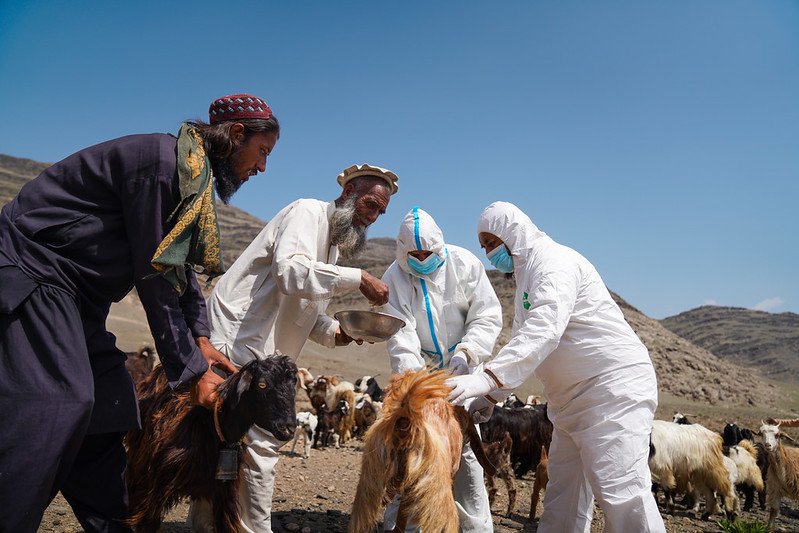
Project to support more than one million Afghans in restoring livelihoods and withstanding future shocks
The Food and Agriculture Organisation of the United Nations (FAO) and the Asian Development Bank (ADB) are implementing a $100 million initiative to bolster food and nutrition security and restore agricultural livelihoods for more than one million vulnerable people across Afghanistan.
Over the next two years, the project will support more than 151 000 households (or 1 057 000 people), including returnees from Pakistan and Iran, host communities and families affected by recent earthquakes and floods. The initiative will help rural households restore livelihoods, protect livestock, and rebuild disrupted agricultural production systems.
Agriculture remains the backbone of Afghanistan’s rural economy, yet it continues to struggle with low productivity, limited access to inputs and restricted market opportunities. Repeated natural disasters have destroyed crops, livestock assets and irrigation infrastructure, while large-scale return movements from neighbouring countries have placed additional pressure on already vulnerable host communities.
Large-scale life-saving agricultural support and food assistance delivered at the height of the food crisis helped curb acute food insecurity nationwide. However, conditions have since deteriorated again. In 2026, 17.4 million people are projected to face acute food insecurity, including 4.7 million in IPC Phase 4 (Emergency), characterised by wide food consumption gaps and high acute malnutrition. Persistent drought conditions, combined with anticipated La Niña impacts bringing below-average rainfall and above-average temperatures into early 2026, are further heightening risks.
With millions of Afghans already facing mounting pressures and at risk of slipping into deeper acute food insecurity and malnutrition, there is an urgent need for sustained investment that goes beyond emergency response to strengthen long-term resilience.
This initiative prioritises climate-smart and people-centred interventions to boost agricultural production, improve food and nutrition security and diversify rural livelihoods. Special attention will be given to the most vulnerable communities, particularly women-headed households and communities in provinces most affected by climate and economic shocks.

Jul 03, 2026 | Beverages
Jul 01, 2026 | Food Security
Jul 01, 2026 | Food Safety and Testing
Jul 01, 2026 | Food Safety and Testing

Jun 18, 2026 | Company News
Jul 03, 2026 | Beverages
Jul 03, 2026 | Company News
Jul 03, 2026 | Europe