Friday, 3 July 2026

Friday, 3 July 2026
Omakase sushi offers an efficient and flexible model for ingredient sourcing and aligns well with the Sustainable Development Goals (SDGs) Tabimori, Inc. has introduced a fully vegetarian omakase option prepared…
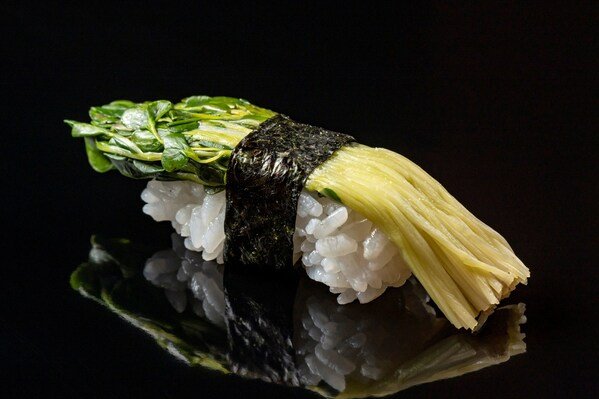
Omakase sushi offers an efficient and flexible model for ingredient sourcing and aligns well with the Sustainable Development Goals (SDGs)
Tabimori, Inc. has introduced a fully vegetarian omakase option prepared without any seafood to its popular sushi interpreting service, “sushiuniversity,” which has been widely used by international travellers.
It’s estimated that about 1.5 billion people worldwide follow a vegetarian or plant-based diet, accounting for roughly 18 per cent of the global population. While Japan has seen a surge in international tourism in recent years, vegetarian and vegan visitors often face limited opportunities to enjoy one of the country’s most iconic culinary traditions, sushi.
Omakase sushi offers an efficient and flexible model for ingredient sourcing and aligns well with the Sustainable Development Goals (SDGs). At Sushi University, we see it as part of our mission to communicate in advance with vegetarian and vegan guests about the ingredients used, ensuring an inclusive and thoughtful dining experience.
Some participants completely avoid fish, while others simply dislike raw seafood. With our growing experience in accommodating such needs, we believe the time is right to offer an authentic, plant-based sushi omakase experience, one that stays true to the spirit of Japanese culinary artistry and hospitality.
Rooted in centuries of culinary tradition, Japanese cuisine offers principles that make omakase sushi for vegetarians and vegans truly authentic.
The traditional concepts of “Five Tastes” (Gomi), “Five Colours” (Goshiki), and “Five Techniques” (Goho), core elements of washoku, have long guided harmony in flavour, appearance, and nutrition. These ideas, developed to balance taste, presentation, and sensory experience, form the heart of Japanese culinary philosophy.
Historically, Edomae sushi chefs used techniques such as salting, simmering, steaming, marinating, and ageing to enhance umami and preserve seafood before refrigeration. Today, these same techniques are applied to vegetables: salting reduces bitterness, gentle heating enhances natural sweetness, marinating in kombu adds depth, and fermentation develops complex flavours. In this way, vegetarian and vegan omakase become more than a fish substitute; they are a refined, nuanced expression of plant-based ingredients.

Jul 03, 2026 | Beverages
Jul 01, 2026 | Food Security
Jul 01, 2026 | Food Safety and Testing
Jul 01, 2026 | Food Safety and Testing

Jun 18, 2026 | Company News
Jul 03, 2026 | Company News
Jul 03, 2026 | Beverages
Jul 03, 2026 | Company News