Tuesday, 23 June 2026

Tuesday, 23 June 2026
The measures will take the form of country-specific tariff-rate quotas. Imports exceeding the designated quota levels will face an additional tariff of 55 per cent China will impose safeguard measures…
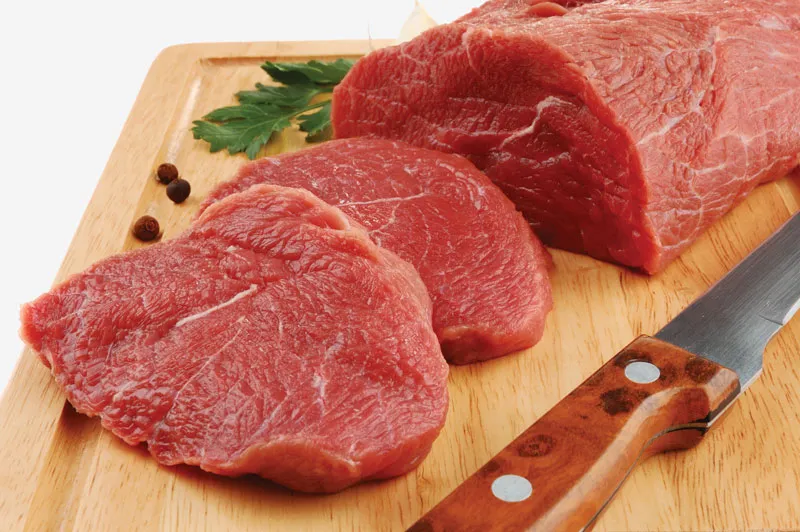
The measures will take the form of country-specific tariff-rate quotas. Imports exceeding the designated quota levels will face an additional tariff of 55 per cent
China will impose safeguard measures on imported beef from January 1, 2026, through December 31, 2028, the Ministry of Commerce (MOFCOM) announced, following the conclusion of a safeguard investigation into bovine meat imports.
Under the decision, the measures will take the form of country-specific tariff-rate quotas. Imports exceeding the designated quota levels will face an additional tariff of 55 per cent. The safeguards will remain in place for three years and will be gradually eased at set intervals during the implementation period.
MOFCOM clarified that the measures will not apply to products from developing countries or regions if an individual exporter’s share of China’s beef imports remains below 3 per cent, and if the combined share of all such countries or regions does not exceed 9 per cent. However, these exemptions will be withdrawn in the following year if the thresholds are breached.
A ministry spokesperson said the objective of the safeguards is to support China’s domestic beef industry amid current challenges, rather than to restrict normal trade. The spokesperson emphasised that China’s market remains open and that there is still significant potential for cooperation in the global beef trade, reaffirming China’s commitment to maintaining a stable international trading environment.
The safeguard investigation was launched in 2024 after multiple industry associations petitioned the government, citing a sharp rise in beef imports that they said had caused serious harm to domestic producers.
China has historically taken a cautious approach to safeguard measures. Before this decision, such actions had been applied only to imported steel products and sugar.
According to a MOFCOM survey, China’s beef imports rose 73.2 per cent between 2019 and 2024, with imported beef priced significantly lower than domestically produced meat. Over the same period, imported beef’s market share increased from 20 per cent to nearly 30 per cent.
“Imported beef, once a supplement to the market, has expanded rapidly in recent years, severely eroding the domestic industry’s market share and driving down prices, resulting in widespread losses,” said Sha Yusheng, Secretary General of the China Animal Agriculture Association.
Shi Xiaoli, Director of the WTO Law Research Centre at the China University of Political Science and Law, noted that WTO rules permit safeguard measures when a surge in imports causes or threatens serious injury to a domestic industry. She added that the three-year duration of the measure reflects a measured and prudent approach by China.

Jun 23, 2026 | Supply chain

Jun 22, 2026 | Australia

Jun 18, 2026 | Company News

Jun 23, 2026 | Cultured Meat
Jun 23, 2026 | Beverages