Tuesday, 23 June 2026

Tuesday, 23 June 2026
The agreement is expected to ensure continuity in the export of meat and egg products from unaffected regions within the EU The European Union and Singapore have announced a major…
The agreement is expected to ensure continuity in the export of meat and egg products from unaffected regions within the EU
The European Union and Singapore have announced a major step forward in agri-food trade relations, with Singapore formally recognising EU-wide regionalisation measures for key animal diseases.
The move covers diseases such as African Swine Fever (ASF), Highly Pathogenic Avian Influenza (HPAI), and Foot-and-Mouth Disease (FMD). Under this framework, in the event of disease outbreaks within the EU, Singapore will apply regional restrictions rather than imposing country-wide bans, thereby minimising disruptions to trade.
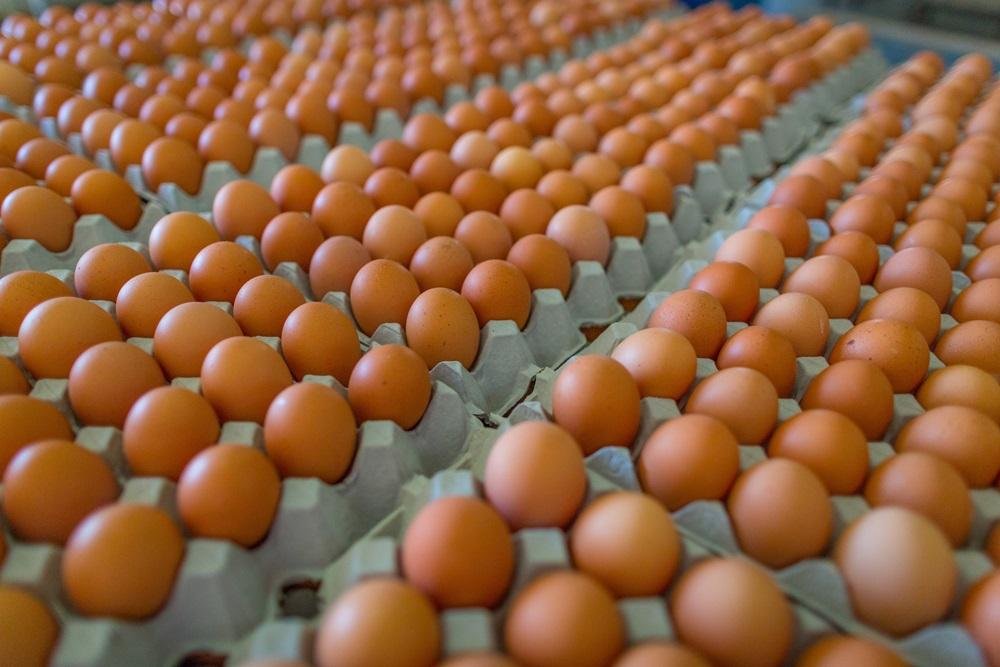
The agreement is expected to ensure continuity in the export of meat and egg products from unaffected regions within the EU, while maintaining high food safety and animal health standards.
In a further boost to bilateral trade, both sides have agreed to ease sourcing requirements for raw materials used in processed meat and egg products. Manufacturers can now source inputs from any EU Member State approved by Singapore, replacing the earlier requirement that animals and derived products originate from a single Member State. This change is set to enhance intra-EU supply chain flexibility and improve export efficiency.
Singapore has also approved Greece, Lithuania, and Latvia as new import sources, bringing the total number of authorised EU Member States exporting meat and egg products to Singapore to 18.
The developments follow close collaboration between the European Commission, EU Member States, and Singaporean authorities, including the Singapore Food Agency (SFA) and National Parks Board (NParks). The recognition reflects confidence in the EU’s comprehensive regulatory systems for food safety and animal health.
The agreement also builds on the EU-Singapore Free Trade Agreement, in force since 2019, under which both sides have continued to engage through sanitary and phytosanitary committees to facilitate safe and efficient trade.
Officials from both regions highlighted the importance of the arrangement in ensuring food security and resilient supply chains. Singapore, which imports around 90 per cent of its food, views the agreement as a key step in diversifying import sources while maintaining stringent safety standards.
Further strengthening ties, the EU will participate as the region of honour at Food and Hospitality Asia 2026 and ProWine 2026, scheduled to take place in Singapore from April 21 to 24, showcasing European food and beverage offerings.

Jun 22, 2026 | Australia


Jun 18, 2026 | Company News
Jun 18, 2026 | Company News

Jun 22, 2026 | Feature
Jun 22, 2026 | Dietary Supplements