Friday, 12 June 2026

Friday, 12 June 2026
The crisis has had a devastating impact on children, with over 4.2 million under the age of five suffering from acute malnutrition, including 800,000 facing severe conditions Three years after…
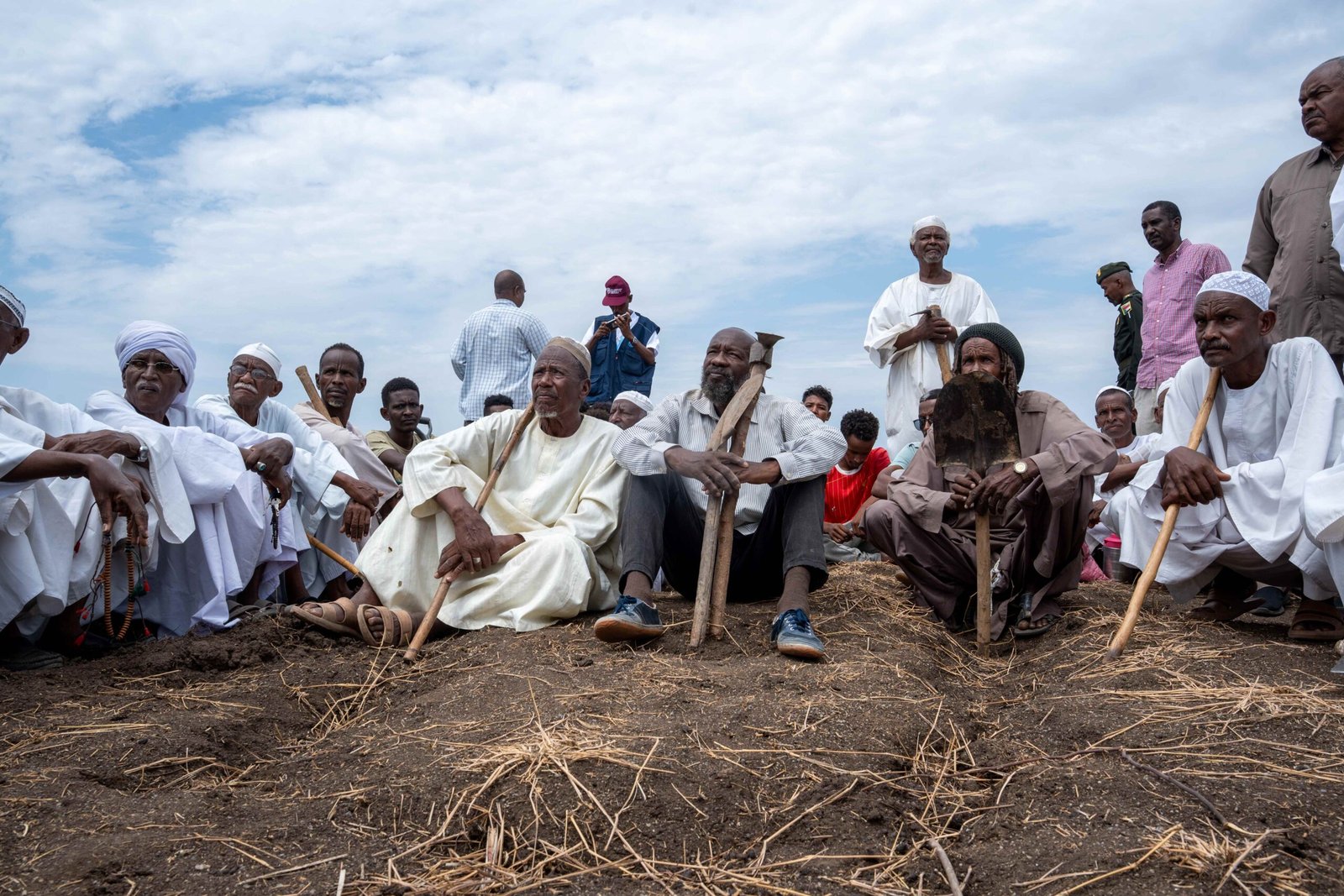
The crisis has had a devastating impact on children, with over 4.2 million under the age of five suffering from acute malnutrition, including 800,000 facing severe conditions
Three years after a violent conflict erupted between the Sudanese Armed Forces and the Rapid Support Forces in April 2023, Sudan is now grappling with the world’s largest humanitarian and displacement crisis. The prolonged violence has not only displaced millions but has also crippled the country’s agricultural backbone, pushing food insecurity to unprecedented levels.
In 2026, an estimated 33.7 million people, over two-thirds of Sudan’s population, require humanitarian assistance, marking the highest figure globally. Alarmingly, around 41 per cent of the population is acutely food insecure, with famine already confirmed in regions such as North Darfur and South Kordofan. Millions more remain at imminent risk, particularly in conflict-affected areas where humanitarian access is severely restricted.
The crisis has had a devastating impact on children, with over 4.2 million under the age of five suffering from acute malnutrition, including 800,000 facing severe conditions. These figures underscore the urgent need for immediate and sustained intervention to prevent a full-scale nutritional catastrophe.
Agriculture, which employs nearly two-thirds of Sudan’s population, has been among the hardest hit sectors. Ongoing conflict has destroyed critical infrastructure, disrupted supply chains, and rendered farmland inaccessible. As the June 2026 planting season approaches, the window to revive national cereal production is rapidly closing. Without timely support, farmers risk missing this crucial agricultural cycle, which could further exacerbate food shortages and deepen the crisis.
The Food and Agriculture Organisation (FAO) has been scaling up efforts to provide emergency agricultural assistance, focusing on distributing seeds, tools, and fertilisers to ensure farmers can continue cultivation. However, funding constraints remain a significant barrier. The 2026 Sudan Humanitarian and Needs Response Plan, which seeks $2.9 billion in funding, is currently only 16.2 per cent funded. This shortfall severely limits the ability of humanitarian agencies to respond effectively, forcing them to prioritise only the most vulnerable populations.
Meanwhile, national crop production continues to decline. Cereal output for the 2025–26 season is estimated at 5.2 million tonnes, representing a 22 per cent drop compared to the previous year. While FAO’s seed distribution campaigns have contributed significantly to sorghum production, these efforts need to be expanded to stabilise the country’s food systems.
Livestock, a critical lifeline for rural communities, has also suffered extensive losses. Reduced vaccination coverage, disease outbreaks, and limited access to grazing lands have weakened the sector. Although FAO has vaccinated millions of animals, only a small fraction of the national herd has been reached, highlighting the scale of unmet needs.
Despite the severity of the crisis, Sudan risks becoming a “forgotten emergency” as global attention shifts to other conflicts. Yet, restoring agricultural productivity remains one of the most effective ways to combat hunger and build resilience. Emergency agricultural interventions not only provide immediate relief but also enable communities to sustain themselves and rebuild livelihoods.
With FAO aiming to reach 7.5 million people through targeted assistance in 2026, urgent and sustained funding is critical. Without decisive action, Sudan’s food security crisis could spiral further, with long-term consequences for both the country and the wider region.

Jun 11, 2026 | Company News

Jun 10, 2026 | Australia
Jun 12, 2026 | Company News
Jun 12, 2026 | Company News
Jun 12, 2026 | Company News