Friday, 5 June 2026

Friday, 5 June 2026
The disruption is rapidly linking energy markets to agricultural systems The ongoing conflict in the Strait of Hormuz is severely disrupting global energy and fertiliser flows, triggering rising costs and…
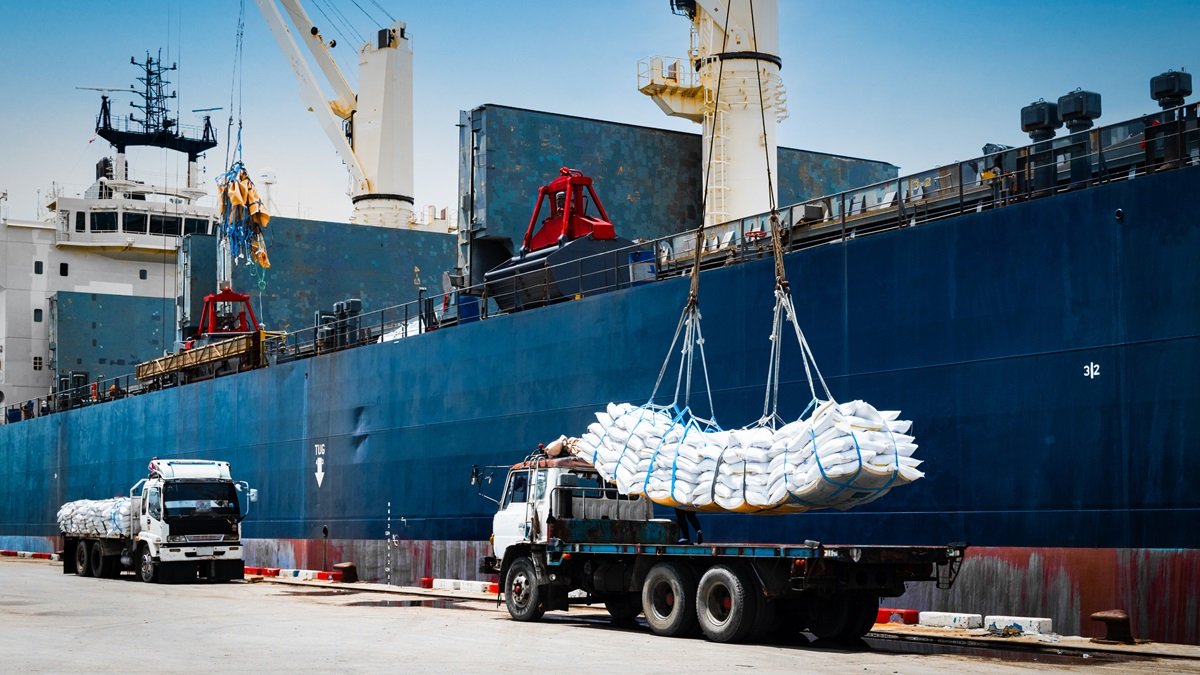
The disruption is rapidly linking energy markets to agricultural systems
The ongoing conflict in the Strait of Hormuz is severely disrupting global energy and fertiliser flows, triggering rising costs and heightening risks for food systems, trade, and vulnerable economies, according to new analysis from the UN Trade and Development (UNCTAD).
Shipping activity through the critical waterway has nearly collapsed, with vessel transits falling by more than 95 per cent in recent weeks. Daily ship movements dropped from an average of over 120 in late February to single digits by March, effectively bringing flows close to a standstill.
The disruption is rapidly linking energy markets to agricultural systems. Oil and natural gas prices have surged sharply across regions, with gas prices in Asia nearly doubling and Europe witnessing similar spikes. Given that natural gas is a key input in producing nitrogen-based fertilisers such as urea and ammonia, the rise in energy costs is feeding directly into fertiliser prices.
The Hormuz corridor is not only vital for energy shipments carrying roughly a quarter of global seaborne oil, but also plays a central role in the fertiliser trade. Around one-third of global seaborne fertiliser volumes pass through the route, while Gulf countries remain major exporters of nitrogen and phosphate nutrients.
As fertiliser prices climb, the impact is already being felt across agricultural markets. Nitrogen-based fertilisers have seen significant price increases, while phosphatic fertilisers are also trending upward. This is raising concerns about reduced fertiliser use, lower crop yields and tighter global food supplies in the coming seasons.
Import-dependent economies, particularly in Asia and Africa, are among the most exposed. Countries such as Sudan, Tanzania and Somalia rely heavily on fertiliser imports routed through the Gulf, leaving them vulnerable to both supply disruptions and price shocks. Limited fiscal space and constrained access to financing further reduce their ability to absorb rising costs.
The crisis is also pushing up transport and insurance expenses. Freight rates for oil tankers have surged by more than 90 per cent, while bunker fuel prices have nearly doubled. War-risk insurance premiums have escalated sharply, with some insurers withdrawing coverage for vessels operating in the region altogether.
These rising costs are cascading through supply chains, driving up fertiliser prices, increasing agricultural production costs and ultimately putting pressure on food prices globally.
UNCTAD warns that the situation highlights the deep interconnections between energy, fertiliser, and food systems. Disruptions in one sector are quickly spilling over into others, amplifying risks for global trade and food security.
The extent of the impact will depend largely on how long the disruption persists. However, current trends suggest mounting pressure across commodity markets, with potentially significant implications for food availability, inflation and economic stability, particularly in developing economies.


Jun 04, 2026 | Beverages

May 14, 2026 | Food
Jun 05, 2026 | Company News
Jun 05, 2026 | Company News