Thursday, 4 June 2026

Thursday, 4 June 2026
Isolated soy protein, derived from soybeans, contains 90 per cent protein and is a high-quality protein, providing all nine essential amino acids in the amounts needed by children and adults…
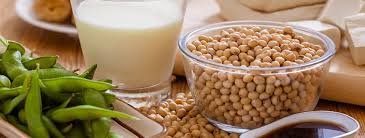
Isolated soy protein, derived from soybeans, contains 90 per cent protein and is a high-quality protein, providing all nine essential amino acids in the amounts needed by children and adults
The U.S. Soybean Export Council (USSEC) and Soy Nutrition Institute Global (SNI Global) applaud a new general-level soy heart health claim in Australia and New Zealand. Similar claims already exist in the United States, Canada, and Japan, further reinforcing soy protein’s role in supporting heart health worldwide.
The approved claim states: “Consuming 20–25 g of isolated soybean protein from foods or beverages daily, as part of a healthy, balanced diet, contributes to heart health by supporting healthy cholesterol levels.”
Isolated soy protein, derived from soybeans, contains 90 per cent protein and is a high-quality protein, providing all nine essential amino acids in the amounts needed by children and adults. It can enhance the nutritional value of foods and beverages such as bars, cereals, baked goods, meat alternatives, and fortified plant-based milks. Just one to two servings of soy foods per day, like a soy protein bar (~17g protein) or beverage (15–20g protein), can provide 20–25g of soy protein.
Heart disease remains a global health concern, and abnormal cholesterol levels are a key risk factor. Research supports soy protein’s cholesterol-lowering effects. Soy foods promote heart health by providing high-quality protein that helps reduce total and LDL cholesterol while being naturally low in saturated fat.
“Around 60 per cent of Australian adults and a significant portion of New Zealanders have abnormal blood lipid levels; therefore, a soy-inclusive diet presents a practical nutrition strategy to help maintain optimal cholesterol levels and heart health,” said Alan Barclay, PhD, lead author of the Food Standards Australia New Zealand (FSANZ) submission.
Under FSANZ regulations, general level health claims must be scientifically supported, meet stringent nutrient profiling criteria and can appear on food labels and associated marketing materials in Australia and New Zealand.
“The recognition of soy protein’s heart health benefits reinforces the value U.S. Soy delivers, from farmers growing sustainable soybeans to companies producing nutritious soy foods and oil worldwide,” said Will McNair, USSEC’s Director of Soy Foods and Oil.

Jun 04, 2026 | Beverages
Jun 03, 2026 | India

Jun 02, 2026 | Company News
Jun 04, 2026 | Beverages

May 14, 2026 | Food

May 13, 2026 | Food Safety and Testing
Jun 04, 2026 | Beverages
Jun 03, 2026 | Company News
Jun 03, 2026 | Company News