Friday, 3 July 2026

Friday, 3 July 2026
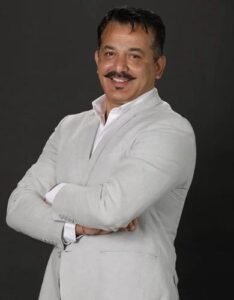
Dr Verena Tan, Associate Professor and Programme Leader, Dietetics and Nutrition, Singapore Institute of Technology As Asia’s population ages, the food industry is facing a growing challenge: how to create…

Dr Verena Tan, Associate Professor and Programme Leader, Dietetics and Nutrition, Singapore Institute of Technology
As Asia’s population ages, the food industry is facing a growing challenge: how to create nutrition solutions that are not only safe and clinically appropriate for seniors with swallowing difficulties, but also enjoyable, culturally familiar and dignified. Texture-modified diets have long been associated with functionality over flavour, often prioritising safety at the expense of appearance, taste and mealtime satisfaction.
At the forefront of changing this narrative is Singapore Institute of Technology through its DIGNIFIED programme, an initiative that is redefining how textured-modified foods are designed and perceived. Led by Dr Verena Tan, the programme combines expertise from dietetics, food science, engineering, sensory research and culinary arts to create senior-friendly food solutions that balance safety, nutrition and sensory appeal.
A key innovation to emerge from the initiative is MAKANsoft, a halal-compliant texturant developed to improve the visual familiarity, taste retention and overall eating experience of texture-modified foods while meeting international swallowing safety standards.
In this interview with NUFFOODS Spectrum, Dr Tan discusses the inspiration behind the DIGNIFIED programme, the barriers to wider adoption of texture-modified foods, and how cross-sector collaboration can help reshape senior nutrition across Asia’s rapidly ageing markets.
The DIGNIFIED programme reframes texture-modified diets from a clinical necessity to a more holistic food experience. What inspired this shift in approach, and how has the industry response been so far?
The shift was driven by a clear gap we observed. While textured modified diets are essential for swallowing safety, they are often perceived as unappealing and disconnected from foods seniors grew up eating. This can reduce appetite, enjoyment, and overall nutritional intake. Through the DIGNIFIED programme, we wanted to reframe textured modified food as a way to preserve dignity, cultural familiarity, and enjoyment at mealtimes, rather than focusing solely on clinical requirements.
Industry interest has been encouraging, particularly from food manufacturers, food service providers and food start-ups, who recognise the growing need for senior-friendly solutions that are safe, nutritious, and culturally relevant.
Based on your study findings, taste remains a top priority for seniors despite dietary limitations. How is the programme balancing sensory appeal with safety and nutrition in product development?
Our findings show that 82 per cent of seniors prioritise taste, even when they face chewing or swallowing difficulties. The DIGNIFIED programme addresses this by grounding all product development in the IDDSI framework to ensure safety, while applying food science, sensory evaluation, and culinary arts to optimise flavour, texture, appearance and mouthfeel. At the same time, we focus on nutritional adequacy, such as protein retention, so products are not only easier to eat, but also support healthy ageing without compromising enjoyment.
MAKANsoft is positioned as a key innovation emerging from the programme. Could you elaborate on how it differs from existing food texturants and its potential for commercial adoption?
MAKANsoft is a halal-compliant texturant developed to improve the sensory quality of textured modified foods, particularly for IDDSI level 4 and 5 diets. Most existing textured modified foods typically rely on conventional thickeners such as starches and gums to adjust viscosity for swallowing safety. While effective, research shows that they often result in foods that are visually unappealing, less recognisable, and poorer in overall eating experience, with limited emphasis on taste, mouthfeel, or cultural familiarity. MAKANsoft goes beyond texture control alone. It allows pureed foods to be moulded into shapes resembling their original dishes, enhancing visual familiarity and recognisability, while remaining IDDSI-compliant. It also supports better mouthfeel and taste retention. Produced in a halal-certified facility and designed with scalability in mind, MAKANsoft has strong potential for adoption across healthcare, community care, and the broader food industry once commercial partnerships are established.
Awareness of texture-modified foods appears relatively high, yet actual consumption remains low. What are the key barriers to adoption, and how can the food industry address them?
While nearly half of seniors are aware of textured modified foods, only 16 per cent have tried them. Key barriers include negative perceptions around taste, appearance, and variety, as well as limited availability beyond healthcare settings. The food industry can address this by developing products that look and taste familiar, align with cultural food preferences, and made available in more accessible formats, such as ready-to-eat or ready-to-heat meals, so textured modified foods are seen as a normal, acceptable food option rather than a last resort.
The programme brings together a multidisciplinary team, including chefs and healthcare professionals. How important is this cross-sector collaboration in driving meaningful innovation in senior nutrition?
Multidisciplinary collaboration is central to DIGNIFIED programme’s approach. Dietitians, food technologists, an engineer, sensory scientists, a speech therapist and chefs each contribute critical expertise, ensuring products are safe, nutritionally appropriate, technically feasible and enjoyable to eat. This integrated approach allows us to move beyond lab concepts and develop solutions that are practical, scalable and meaningful for seniors’ daily lives.
Looking ahead, how do you envision the DIGNIFIED programme influencing the broader food industry in Asia, particularly in markets with rapidly ageing populations?
Asia is ageing rapidly, and many countries face similar challenges around senior nutrition, dysphagia, and cultural food preferences. The DIGNIFIED programme provides a science-based, Asian-context model for developing senior-friendly foods that balance safety, nutrition, and enjoyment. We hope the programme will encourage the food industry to view older adults not as a niche clinical segment, but as a growing consumer group, driving innovation in inclusive, culturally relevant products that support dignity and quality of life in later years.
Shraddha Warde
shraddha.warde@mmactiv.com
Jul 03, 2026 | Beverages
Jul 01, 2026 | Food Security
Jul 01, 2026 | Food Safety and Testing
Jul 01, 2026 | Food Safety and Testing
Jun 18, 2026 | Company News
Jul 03, 2026 | Company News
Jul 03, 2026 | Beverages
Jul 03, 2026 | Company News