Tuesday, 9 June 2026

Tuesday, 9 June 2026
The curing process in Norway involves drying, salting, or a combination of both, resulting in distinct product types such as stockfish and clipfish Norway’s traditional cured fish products, clipfish, stockfish…
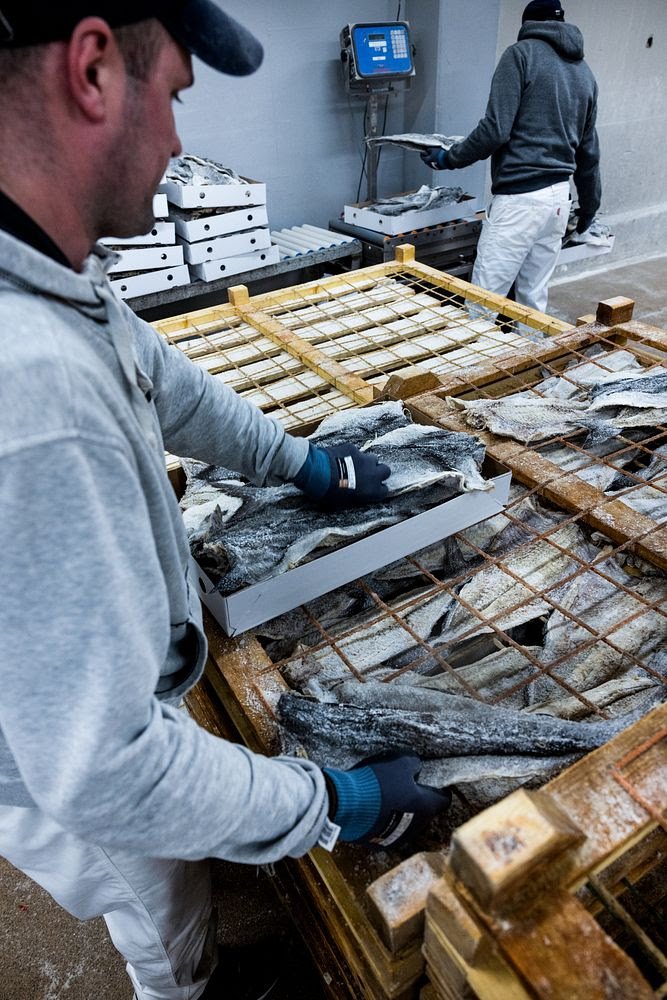
The curing process in Norway involves drying, salting, or a combination of both, resulting in distinct product types such as stockfish and clipfish
Norway’s traditional cured fish products, clipfish, stockfish and saltfish, continue to gain global traction, bridging centuries-old Nordic practices with diverse culinary traditions across Europe, the Caribbean and Africa.
Derived primarily from cod and saithe, these dried and salted fish products have become deeply embedded in the food cultures of importing nations, often regarded as local staples despite their Norwegian origin. From Mediterranean kitchens to Caribbean households, cured fish plays a central role in both everyday meals and festive occasions, particularly during Easter when demand peaks due to cultural and religious significance.
The curing process in Norway involves drying, salting, or a combination of both, resulting in distinct product types such as stockfish and clipfish. Beyond the fillet, various parts of the fish, including heads, tails and backbones, are utilised across markets, reflecting both culinary diversity and a strong emphasis on sustainability. For instance, dried fish heads are widely consumed in several regions, while fish bones are often used to prepare broths.
Export data highlights the growing importance of this segment. In 2025, Norway exported over 74,000 tonnes of clipfish valued at NOK 6.7 billion, with Portugal, Brazil and the Dominican Republic emerging as key markets. Stockfish exports reached nearly 2,900 tonnes, valued at NOK 899 million, with Italy, Croatia and Nigeria among the top destinations.
According to Kari-Anne Johansen of the Norwegian Seafood Council, cured fish remains a symbol of Norway’s maritime heritage, dating back to the Viking era when dried fish was both a staple food and a valuable trade commodity.
While stockfish represents the traditional Norwegian method of preservation, clipfish is believed to have been introduced later, influenced by Spanish fishing practices. Today, both products continue to reinforce Norway’s position as a key player in the global seafood trade.

Jun 08, 2026 | Company News

Jun 08, 2026 | Indonesia


Jun 04, 2026 | Beverages

May 14, 2026 | Food
Jun 09, 2026 | Company News
Jun 09, 2026 | Company News
Jun 09, 2026 | Company News