
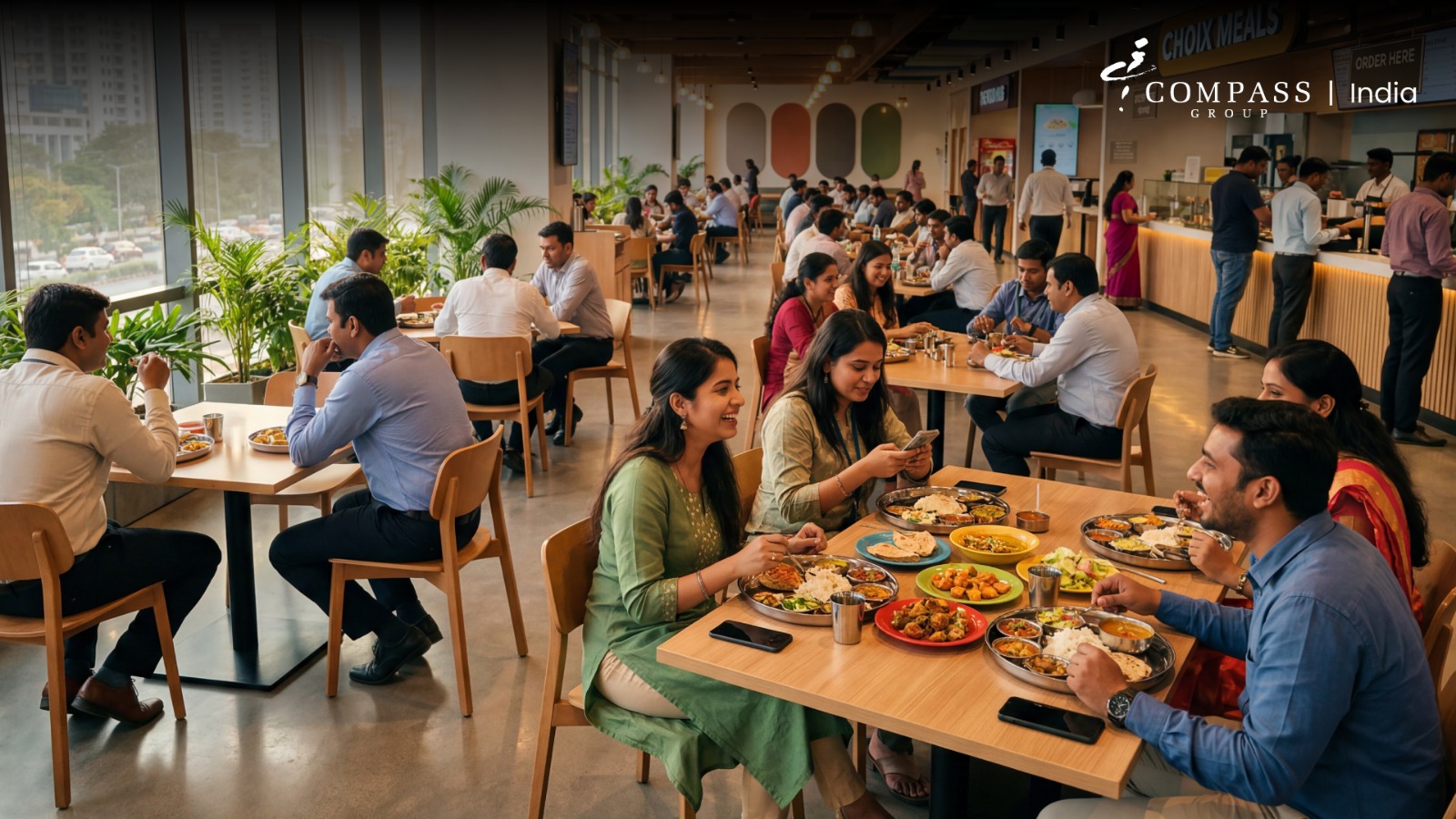
Taking regular breaks during the workday could play a significant role in improving employee productivity and wellbeing, according to the latest Global Eating at Work (GEAW) study by Compass Group India. The research highlights a growing gap between employees' recognition of the benefits of workplace breaks and the extent to which organisations encourage them.
The study found that 95 per cent of Indian employees feel more productive after taking a break, while 63 per cent believe breaks are undervalued within their organisations. Despite increasing awareness of workplace wellbeing, opportunities for employees to pause and recharge during working hours appear to be declining.
The proportion of employees taking regular breaks three to five times a week fell from 46 per cent in 2023 to 38 per cent in 2025. Nearly one in four employees also reported rarely taking a meaningful break during the workday.
The findings indicate changing employee expectations around productivity and workplace wellbeing. Around 76 per cent of employees prefer multiple shorter breaks rather than a single long break, while 45 per cent said they take breaks only when circumstances permit. Nearly one in four employees continues to eat lunch at their desks, highlighting the challenges of maintaining healthy workplace habits amid demanding schedules.
Workplace nutrition gains importance
Nutrition is emerging as an important component of employee wellbeing. More than 90 per cent of Indian employees said they are actively changing their food and beverage consumption habits to improve their long-term health. Similarly, 90 per cent want healthier food options to be available at their workplaces.
The study identified nutrition, physical activity and quality sleep as the three leading contributors to long-term wellbeing. However, 39 per cent of employees reported sleeping for fewer than six hours a night, highlighting the need for more comprehensive workplace wellness initiatives.
Workplace dining facilities are also playing an increasingly important role in employee experience. According to the study, 51 per cent of Indian employees have access to on-site dining facilities, compared with the global average of 29 per cent. Furthermore, 93 per cent of Indian employees share meals with colleagues at least a few times each month.
Demand for improved dining experiences is also increasing, with 87 per cent of employees wanting workplace restaurants to offer the ambience and experience of modern high-street dining destinations. Regional cuisines, healthy snacks and digital ordering solutions are also shaping workplace food-service preferences.
Rahul Shinde, Managing Director, Compass Group India, said workplace performance was closely linked to everyday employee experiences, including taking breaks, eating well and connecting with colleagues.
He noted that organisations needed to view employee wellbeing as a productivity, engagement and talent-retention priority rather than simply a workplace wellness initiative.
Manika Awasthi, Chief People and Safety Officer, Compass Group India, added that workplace environments should encourage healthy everyday behaviours, including taking breaks, eating nutritious meals, physical activity and social interaction.
The findings underline the growing importance of workplace food services and nutrition-led initiatives in supporting employee health, engagement and productivity.


