
India’s food and agriculture sector is increasingly recognising cold-chain infrastructure as a critical link between farm production, food processing and consumers. With post-harvest losses, expanding food processing capacity and growing demand for quality and food safety, temperature-controlled storage and transportation are becoming increasingly important across the food value chain.
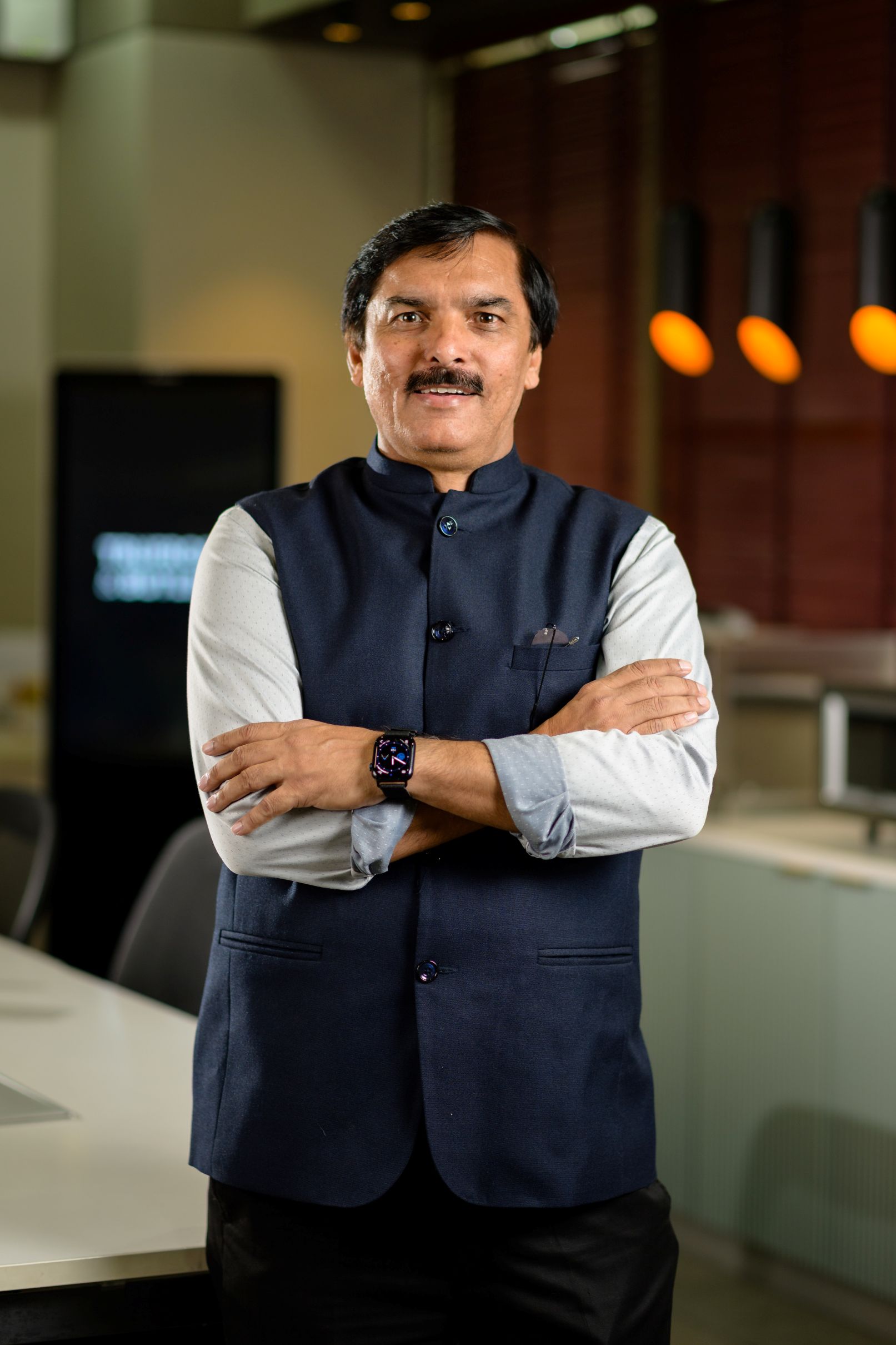
Against this backdrop, Satish Dudeja, Executive Director, Trufrost & Butler, discusses the role of modern refrigeration in reducing food wastage, extending the shelf life of fresh produce and improving efficiency across India’s farm-to-fork ecosystem. He also shares his views on the gaps in cold-chain infrastructure, the adoption of energy-efficient and CO₂-based refrigeration systems, and the need for greater investment and policy support to strengthen domestic capabilities.
Dudeja also outlines how Trufrost & Butler is evolving from a refrigeration supplier to a technology partner for food processors, while highlighting emerging trends in food processing, AI-enabled agriculture, sustainable cold chains and India’s potential to strengthen its position in the global food ecosystem.
There have been issues related to post-harvest losses. How critical is cold chain infrastructure in reducing wastage and improving farmer incomes?
Post-harvest losses begin the moment fresh produce is harvested. Fruits and vegetables continue to respire and lose moisture, which leads to rapid deterioration if they're not handled correctly. That's where the cold chain becomes indispensable.
A well-designed cold chain slows down this natural ageing process by maintaining the right temperature and humidity from the farm onwards. It starts with pre-cooling, followed by sorting, grading, packing, cold storage, refrigerated transport, and finally delivery to retailers or consumers. Depending on the commodity, this can extend shelf life from just a few days to several months.
For farmers, this means they are no longer forced into distress sales immediately after harvest. They can wait for better market prices, leading to higher incomes. For consumers, it ensures fresher, safer, and better-quality produce. India has been trying to reduce post-harvest losses from nearly one-third (around 30-35 per cent) to one-fourth (25 per cent) or lower for decades, and a robust cold chain remains the single most effective way to achieve that.
How has the demand for temperature-controlled storage and refrigeration solutions evolved across India’s agriculture and food sectors?
The demand has grown significantly over the last few years, and today we're seeing momentum across the entire food value chain, from farmers and aggregators to food processors, exporters, and organised retail.
People have recognised that refrigeration is no longer just about storage; it's about protecting quality, reducing waste, improving profitability, and meeting food safety standards. As food processing expands and consumers demand fresher products, temperature-controlled infrastructure has become a necessity rather than an option.
Today, we're witnessing over 30 per cent year-on-year growth in demand for cold storage and refrigerated logistics across the sector, and we expect this momentum to continue as India's food ecosystem becomes increasingly organised.
What are the biggest gaps you see in India’s farm-to-fork supply chain today?
While India has made progress, there are still a few fundamental gaps that need attention.
The first is farmer awareness. Choosing the right crop, growing it in the right location, and following proper post-harvest handling practices make a huge difference in reducing losses. Alongside that, there's still a shortage of infrastructure such as packing houses, grading facilities, pre-cooling units, and cold storage close to farming clusters.
If we want to reduce post-harvest losses from nearly one-third to below one-fourth, strengthening this infrastructure is critical. Packing and grading facilities, in particular, are still at a nascent stage in many parts of the country and need greater investment.
How can technology and modern refrigeration systems help farmers, aggregators, and food processors improve efficiency?
Modern refrigeration is doing much more than simply keeping products cold, it's helping businesses improve quality, reduce waste, and maximise profitability. For farmers, it extends shelf life, giving them the flexibility to sell when demand and prices are favourable. Take bananas, for example. After harvest, they're stored at 12-14°C, and ripening is carried out later in controlled ripening chambers at 16-20°C based on market demand. This significantly reduces spoilage while maintaining quality.
For aggregators, integrating sorting, grading, and pre-cooling systems speeds up handling while preserving freshness. Food processors benefit from blast freezers, quick chillers, and Controlled Atmosphere (CA) storage, which dramatically extend storage periods. For example, apples that typically remain fresh for about one month under normal conditions can be stored for up to three months in cold storage and as long as nine months with CA storage.
These technologies improve food safety, reduce energy consumption, minimise waste, and create better value across the supply chain.
What role can cold chain infrastructure play in supporting India’s ambition to become a global food export hub?
Cold chain infrastructure will play a defining role in India's export ambitions. Global buyers expect consistent quality, food safety, and traceability. Without reliable temperature-controlled storage and transportation, it's extremely difficult to meet these expectations, particularly for fresh fruits, vegetables, dairy, seafood, and processed foods.
A strong cold chain preserves freshness from farm to destination, reduces spoilage, and helps Indian exporters consistently meet international standards. It allows India to export more value-added products while strengthening its reputation as a dependable global supplier.
What will be Trufrost & Butler's innovations in the pipeline for the agri sector?
Our focus is on developing refrigeration solutions that are smarter, more energy-efficient, and environmentally sustainable. We're building systems that maintain highly stable temperatures and humidity while occupying less space, consuming significantly less power, and requiring minimal maintenance over a longer lifecycle.
One of our biggest focus areas is CO₂-based refrigeration systems that use natural refrigerants. Compared to conventional systems, these solutions can reduce energy consumption by 25-30 per cent, while also lowering environmental impact and supporting long-term sustainability goals.
Who are the major players in the horticulture sector that are currently using your refrigeration solutions?
We're privileged to work with a diverse range of customers across agriculture, horticulture, food processing, and food logistics. Some of our horticulture customers include ABC Fruits, Krishnagiri, Aurik Banana, Hisar, and Bhutan Food Corporation. Beyond these, many food processing companies rely on our cold rooms, blast freezers, and pre-cooling systems to preserve produce before and after processing.
We're equally proud to support smaller farmers and traders across India who use our cold rooms for products ranging from spices to resins, helping them extend shelf life, reduce waste, and improve returns.
How do you see the company’s role evolving as demand grows for organised food processing and storage infrastructure?
As India's food processing industry expands, our role is evolving from being a refrigeration supplier to becoming a technology partner. Today, we're supporting food processors producing par-baked products, ready-to-cook foods, cloud kitchens, flight kitchens, and QSR brands with blast freezers, cold rooms, and freezer rooms that preserve taste, texture, and shelf life from a few days to several months.
We're also manufacturing and assembling advanced food processing kitchen equipment in India that enables food regeneration in seconds rather than minutes, improving operational efficiency for our customers. We've invested significantly in local manufacturing because we believe India's food brands deserve world-class infrastructure built in India, and we're already seeing strong growth in this segment.
Refrigeration is an energy-intensive sector. How is Trufrost & Butler addressing energy efficiency and sustainability?
Ans: Energy efficiency is one of our biggest priorities because sustainability and operating costs go hand in hand. We're developing refrigeration systems that combine high performance components with intelligent engineering to minimise power consumption. While we currently integrate advanced energy-efficient technologies from global partners, we're continuously adapting and optimising these systems for Indian operating conditions.
We're also investing in natural refrigerant technologies, particularly CO₂ refrigeration systems, which offer substantial energy savings while reducing environmental impact. These innovations are critical to building a more sustainable cold chain ecosystem for the future.
What kind of policy support are you looking from the government?
India has tremendous potential to become a global manufacturing hub for cold chain technologies, but innovation requires long-term support.
Greater investment in research and development, reliable power, improved logistics infrastructure, and easier access to subsidised financing will help Indian manufacturers innovate faster. Time-bound policy support for domestic manufacturers and assemblers will also accelerate the development of products that meet international standards.
India is one of the world's largest markets and building globally competitive products here will not only strengthen domestic capabilities but also position us as exporters of refrigeration technologies.
Looking ahead over the next five years, how do you see India’s food ecosystem transforming?
India’s food ecosystem will transform from basic crop production to a high-tech, value-added global food hub. Key changes include rapid growth in food processing capacity, the expansion of AI-driven precision farming, and a shift to sustainable business models that reduce waste. The following are critical areas of action:
Food Processing- India aims to double its share of food processing to reduce massive post-harvest losses. Currently, about 2/3rd of grains are processed, but only less than 5% of fruits and vegetables are processed. Over the next five years, expect a surge in integrated food parks. These parks will turn raw crops into premium ready-to-eat meals and speciality dairy exports for global markets.
AI & Smart Agriculture- Farming will shift from depending on weather to being data-driven. Artificial intelligence (AI) and the Internet of Things (IoT) will act as the new nervous system for agriculture. Farmers will use real-time data for precision irrigation, smart warehousing, and high-tech soil tracking to predict crop needs before problems happen.
The Circular Economy - Currently, India wastes a large share of the food it grows due to poor storage and transport. The coming years will bring "circular food ecosystems." This means new technology will capture agricultural waste and convert it into products such as organic fertiliser, animal feed, or renewable energy.
Urban and Street Food Transformation -The packaged food sector will double in value. Urbanisation will push the informal street food economy into modernised, sanitary formats. Digital tracking will ensure that the origin of every packaged item is transparent.


